Humans news stories

In a new discovery that illuminates new insights into the early prehistoric origins of art and creativity, researchers have identified the earliest known use of blue mineral pigment in Europe.
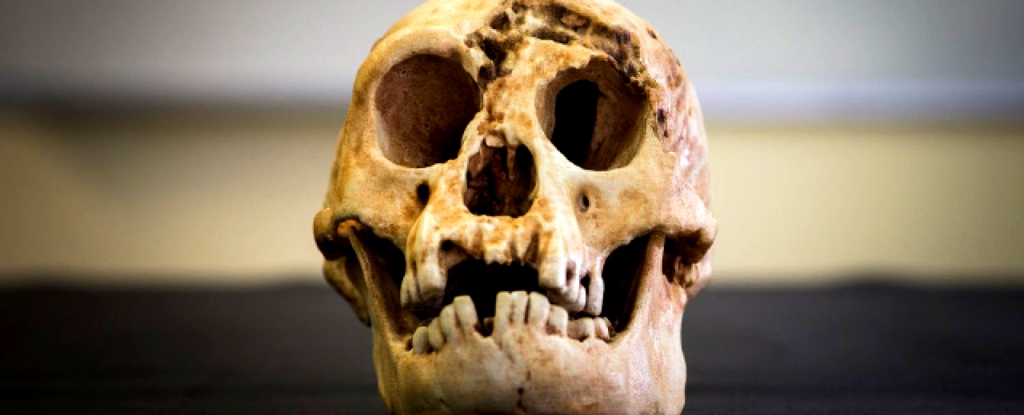
Until Homo floresiensis was discovered, scientists assumed that the evolution of the human lineage was defined by bigger and bigger brains….But these theories had to be thrown out the window when archaeologists announced our fossil cousins Homo floresiensis via scientific publication in 2004…new research on the skulls and teeth provides a novel theory for how the Hobbits evolved to be small.


A German-Austrian team led by Friedrich Schiller University Jena and Leibniz-HKI has been able to biochemically demonstrate for the first time that different types of mushrooms produce the same mind-altering active substance, psilocybin, in different ways. The results are published in Angewandte Chemie International Edition.
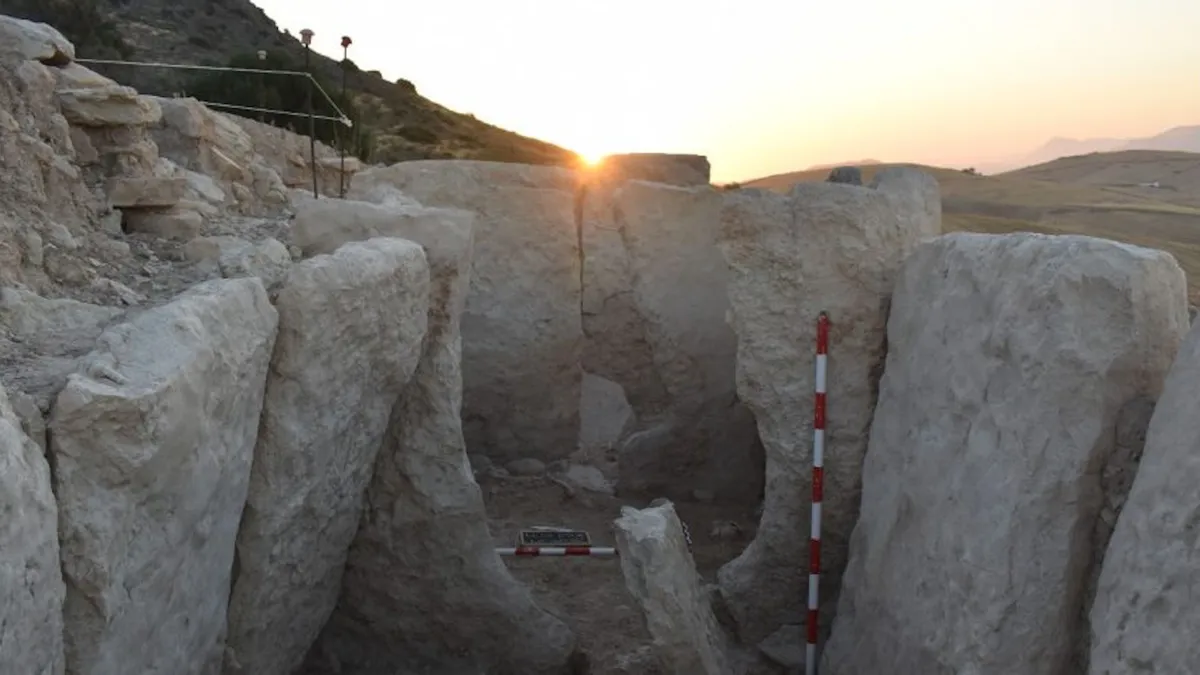
Archaeologists in Spain have discovered a 5,000-year-old stone monument that holds multiple burials and many grave goods, including weapons.

Published in the journal Proceedings of the National Academy of Sciences, the new research proposes a transformative approach to economics—one that recognizes nature not merely as a resource, but as a living system deeply intertwined with human identity, culture, and well-being.

A cloud of dust escapes from an excavation site in the sand of Chad’s arid north, where scientists are looking for signs of human habitation in an area once humid and called the “Green Sahara.”

The findings, published in The Journal of Island and Coastal Archaeology, unveil a previously undocumented Paleolithic presence in Ayvalık and more importantly could redocument our species’ migration into the continent.

The study, published in Nature Sustainability, describes a powerful new mechanism for increasing the extent of effective area-based protection by piggybacking on community management of natural resources. The paper is titled “Community-based management expands ecosystem protection footprint in Amazonian forests.”
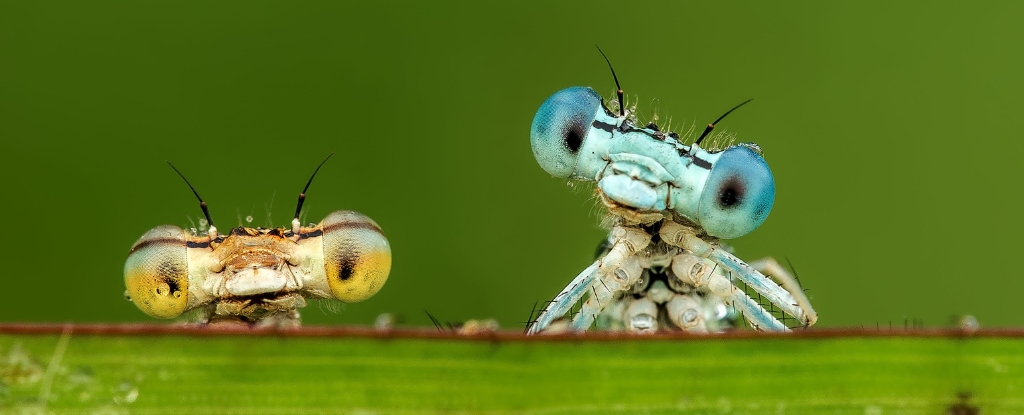
From butterflies to grasshoppers, many delicate little things that run our world are in dire trouble. Not just in regions where human activity directly affects the landscape, but even in remote, human-free zones, a new study finds. The remote insect study was published in Ecology.

Orbiting spacecraft have peered inside the swirling vortex which encircles Mars’ north pole during winter and found an unexpected surge in ozone, raising questions as to whether the Red Planet once had a protective layer like Earth. Olsen presented the analysis last week at the Joint Meeting of the Europlanet Science Congress and the Division of Planetary Sciences (EPSC-DPS) in Helsinki, Finland.
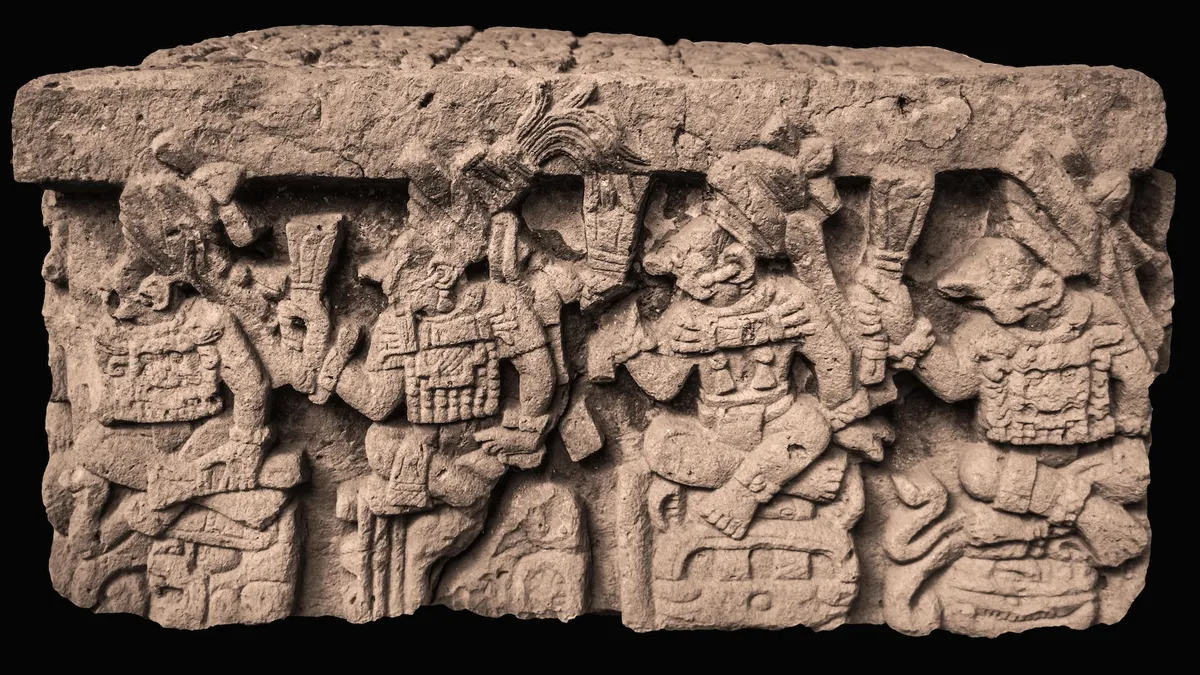
A well-known Maya stone carving known as Altar Q, located at the site of Copán in Honduras, may use hand signs to represent key dates in the Maya Long Count Calendar, a new study claims.

On remote islands of Papua New Guinea, people carry a story that ties us all back to our deepest roots. Although their striking appearance once puzzled scientists, new genetic evidence shows they share a common ancestry with other Asians, shaped by isolation, adaptation, and even interbreeding with mysterious Denisovans. Yet, their unique history — marked by survival bottlenecks and separation from farming-driven booms — leaves open questions about the earliest migrations out of Africa and whether their lineage holds traces of a forgotten branch of humanity.

Reporting in PLOS One, UC Santa Barbara Emeritus Professor of Earth Science James Kennett and collaborators present their findings of shocked quartz—grains of sand deformed by extreme pressures and temperatures—at three classic Clovis culture archaeological sites in the United States: Murray Springs in Arizona, Blackwater Draw in New Mexico and Arlington Canyon in California’s Channel Islands.

Scientists have discovered what’s thought to be the oldest known mummies in the world in southeastern Asia, dating back up to 12,000 years. A new study published Monday in the journal Proceedings of the National Academy of Sciences pushes that timeline back.
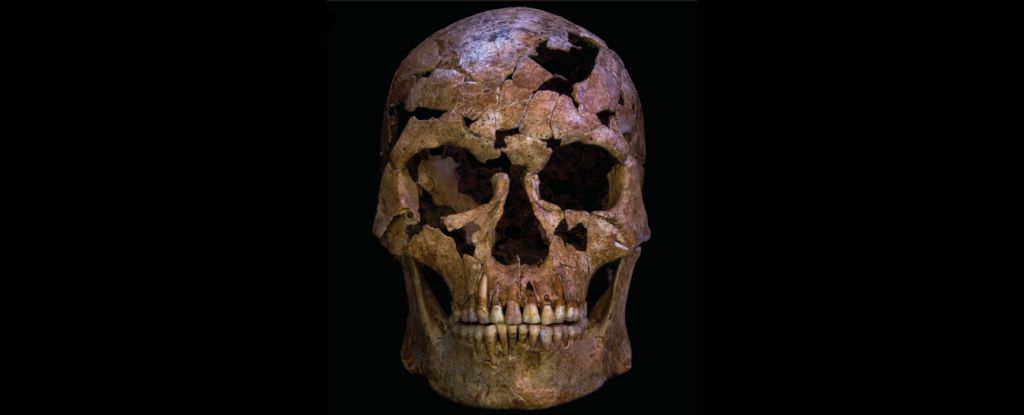
Ancient bones discovered in a cave in Vietnam could belong to one of the world’s earliest known victims of homicide. The research has been published in the Proceedings of the Royal Society B.
War God: Night of Sorrows
Get your copy of War God: Vol III
Magicians of the Gods
Get your copy of Magicians of the Gods: