
Misc. news stories

A longitudinal study of people attending ayahuasca retreats found that those with higher levels of resilience before the retreat tended to report somewhat more intense challenging experiences during their ayahuasca ceremonies. More resilient participants also showed a stronger link between these difficult experiences and searching for meaning in life a month later. The paper was published in Psychedelic Medicine.
Combining the psychedelic brew ayahuasca with specialized psychotherapy may help ease the severe psychological pain that follows the loss of a close family member. An exploratory clinical trial published in Scientific Reports found that participants receiving this combined treatment experienced greater reductions in grief severity than those receiving therapy alone or no treatment

“At its deepest level, this research is not only asking whether out-of-body experiences are real. It is asking what we mean by ‘real’ in the first place, and whether our current understanding of reality is broad enough to account for everything human consciousness can experience.” The findings have been published in Explore.
Until now, scientists have concentrated on reading the message: its genetic letters, the length of each fragment, and where in the genome it came from. A new preprint study suggests that how the message is folded could matter too.

New research suggests that pairing a brief form of couples therapy with MDMA can lead to large improvements in posttraumatic stress disorder symptoms and relationship satisfaction for veterans and their partners. The preliminary findings, published in Journal of Traumatic Stress, provide evidence that these benefits occur even when only the diagnosed veteran receives the medication.
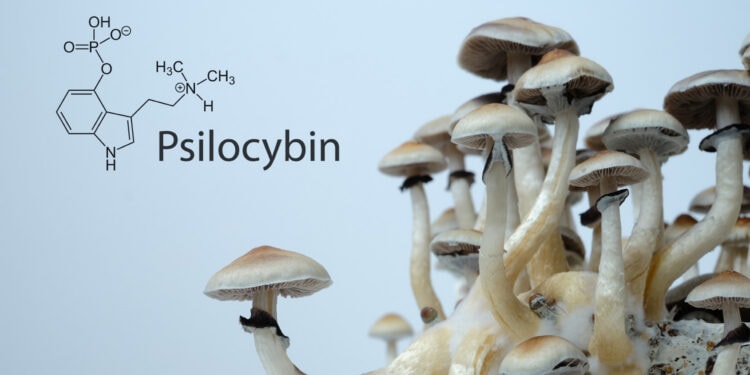
Recent research suggests that giving mice a compound found in magic mushrooms before chemotherapy can prevent the debilitating nerve damage that often accompanies cancer treatment. The findings indicate that psilocybin protects nerve fibers by keeping their cellular powerhouses moving and functioning properly. The study was published in Science.
A psychedelic best known for its effects on the brain may also protect peripheral nerves from chemotherapy damage, early research suggests. A new mouse study, published Thursday (Sept. 3) in the journal Science, suggests that psilocybin, the psychedelic compound in “magic mushrooms,” may help prevent this painful and sometimes permanent side effect of chemotherapy, known as chemotherapy-induced peripheral neuropathy (CIPN).
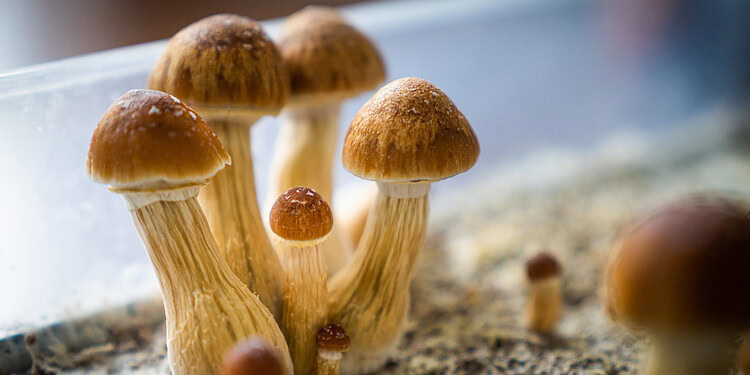
Two doses of the psychedelic compound psilocybin can reverse signs of depression and anxiety in rats exposed to chronic stress. The substance appears to work by encouraging the growth of new brain cells and normalizing stress hormone levels. The research was published in Progress in Neuropsychopharmacology & Biological Psychiatry.

For those living in the shadow of mental health conditions such as PTSD, anxiety, and depression, finding a way forward can sometimes feel impossible – especially when conventional treatments have offered little succor…But now, results from the first state-regulated psilocybin program in the US suggest the drug could offer a glimmer of hope beyond the confines of clinical trials. The results have been published in JAMA Network Open.

A new study published in Human Brain Mapping suggests that a single high dose of psilocybin, the active compound in “magic mushrooms,” changes how information flows through specific brain circuits up to a month later.
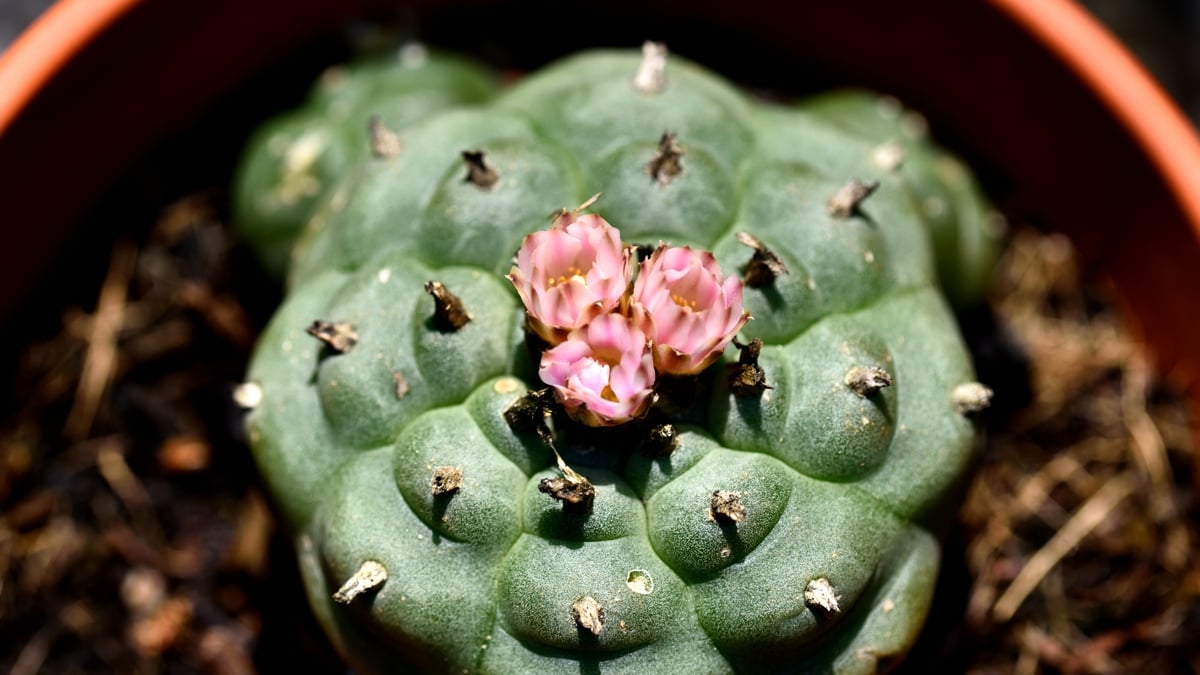
A new study published in Neuroscience Bulletin suggests that mescaline, a chemical found in certain cacti that can cause hallucinations, may alter how the brain responds to incoming sensory information.

Recent scientific exploration into psychedelics provides evidence that these powerful substances can profoundly reshape human brain function and mental health. A wave of new research suggests that lysergic acid diethylamide, widely known as LSD, alters electrical brain rhythms to promote mental flexibility, elevate mood, and even protect against neurological damage.

From the May issue of Frontiers in Neuroscience comes the truly remarkable case study of a woman crippled by Alzheimer’s recovering speech, bladder control, and motor function after a single dose of psilocybin mushrooms.
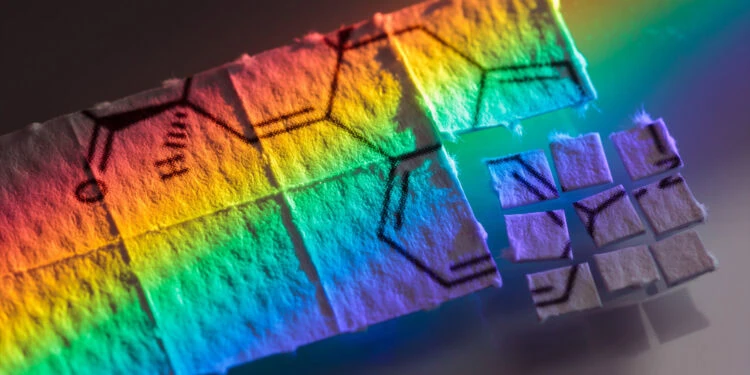
A recent small study analyzes how the psychedelic drug LSD reshapes brain activity. The research shows that the substance boosts widespread neural synchronization while blurring the boundaries between sensory perception and abstract thought. The findings were published in PLOS Computational Biology.
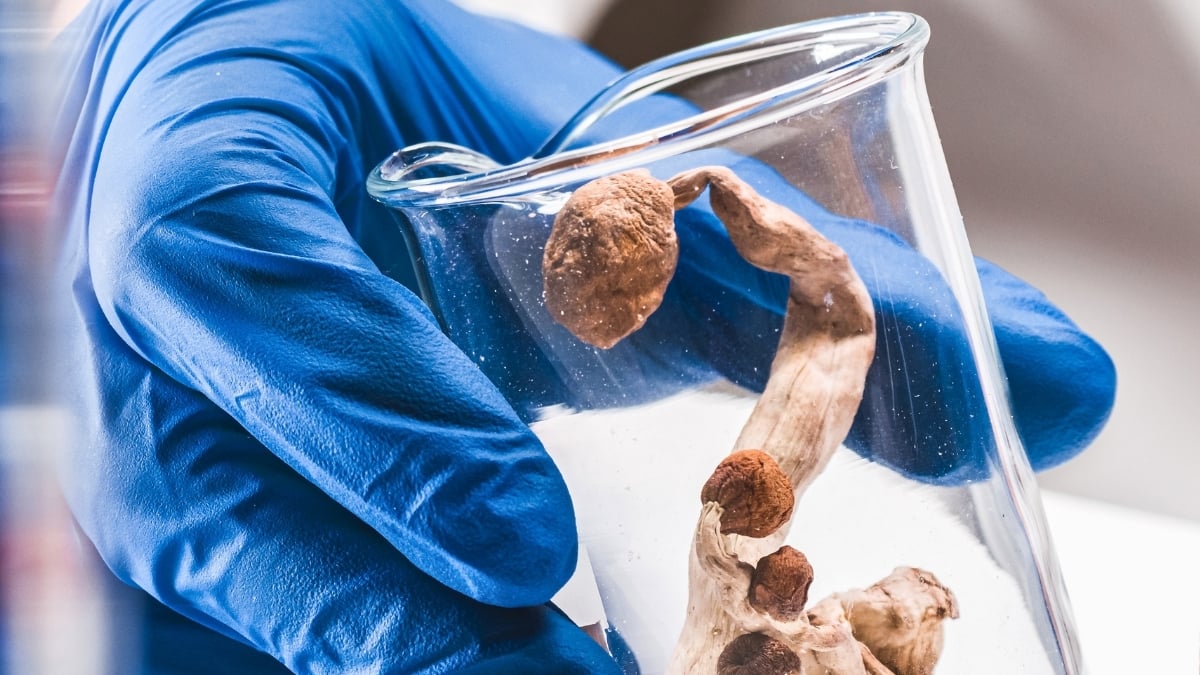
Magic mushrooms are better known for producing hallucinations and altering people’s sense of reality than for treating brain diseases. Most people associate them with tripping, rather than Alzheimer’s disease. But a report on an individual patient has prompted scientists to ask whether psilocybin, the psychedelic compound in magic mushrooms, could have unexpected effects on the aging brain.
A recent study published in The Journal of Clinical Psychiatry suggests that a single dose of psilocybin, paired with psychological support, may rapidly and safely reduce chronic suicidal thoughts in adults with severe depression. The findings provide evidence that psychedelic-assisted therapy tends to offer lasting relief for individuals who have not responded to standard psychiatric treatments.
War God: Night of Sorrows
Get your copy of War God: Vol III


Magicians of the Gods
Get your copy of Magicians of the Gods: