
Misc. news stories
A new study published in the Journal of Psychopharmacology sheds light on how psilocybin, the psychoactive compound found in certain mushrooms, may produce anti-depressant effects. Researchers suggest that its benefits could be linked to specific patterns of serotonin receptor activity and increased flexibility in brain cells.
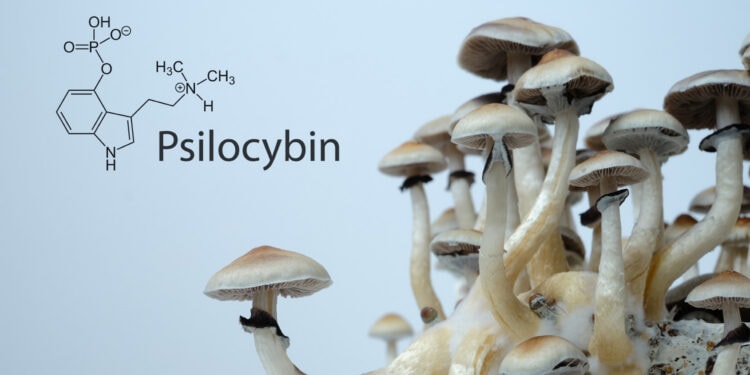
A recent study published in Progress in Neuro-Psychopharmacology and Biological Psychiatry sheds light on how psilocybin alters human brain activity, shifting it from a resting state to a highly engaged pattern of processing.

A new study, published in JAMA Network Open, reports the outcome of a clinical trial out of Johns Hopkins University assessing the effectiveness of psilocybin as a treatment for smokers attempting to quit. The trial compared the effectiveness of one dose of the “magic mushroom” drug to months of the common nicotine patch, combined with cognitive behavioral therapy in both groups. The results might push psilocybin into the limelight as a more effective addiction treatment.

A recent study published in Communications Biology suggests that a powerful psychedelic drug can induce a unique brain state where awake and moving animals exhibit brain waves typically associated with deep sleep. This unusual blend of sleeping and waking characteristics provides evidence that psychedelics may temporarily reorganize brain activity in ways that promote learning and emotional recovery.
According to new research published in the Journal of Psychopharmacology, moderate doses of the compound are linked to reduced anxiety, while higher doses tend to produce antidepressant-like effects and increase signs of new neural connections. These findings help clarify how different levels of brain receptor engagement could eventually guide more precise treatments for human psychiatric conditions.
A new study published in npj Mental Health Research suggests that U.S. Special Operations veterans treated with a combination of magnesium and ibogaine experience a rapid, self-directed form of psychological healing. The findings suggest that the treatment triggers a state of “auto-psychotherapy,” where patients revisit traumatic memories, reframe their life narratives, and feel a physical sense of brain repair.
Two recent studies conducted by scientists at the University Health Network and the University of Toronto provide new evidence regarding the effects of lysergic acid diethylamide (LSD) on the brain. The findings suggest that this psychedelic compound may have unexpected neuroprotective properties against severe seizures in mice. These papers, published in Next Research and Brain Research, challenge conventional assumptions about psychedelics and safety in the context of epilepsy.

The study included 34 patients with moderate-to-severe depression, all of whom had tried other treatments without success. Those given a single intravenous dose of dimethyltryptamine (DMT) showed significant improvement within a week compared to those who received a placebo. The findings have been published in Nature Medicine.
New research shows MDMA and psilocybin may restore neural flexibility in people with PTSD, thereby helping the brain unlearn fear and relearn safety.
A new study suggests that the intensity of spiritual or “mystical” moments felt during psychedelic treatment may predict how well veterans recover from trauma symptoms. Researchers found that soldiers who reported profound feelings of unity and sacredness while taking ibogaine experienced lasting relief from post-traumatic stress disorder. These findings were published in the Journal of Affective Disorders.

Researchers at Dartmouth College in the U.S. recently carried out a study aimed at further investigating the biological mechanisms that could underpin psilocybin’s antidepressant effects. Their findings, published in Molecular Psychiatry, suggest that another serotonin receptor, which does not induce hallucinations when activated, could be responsible for some of the drug’s beneficial effects.

A recent study conducted in Norway suggests that MDMA-assisted therapy may provide lasting relief for individuals suffering from major depressive disorder. The study was published in the Journal of Psychiatric Research.
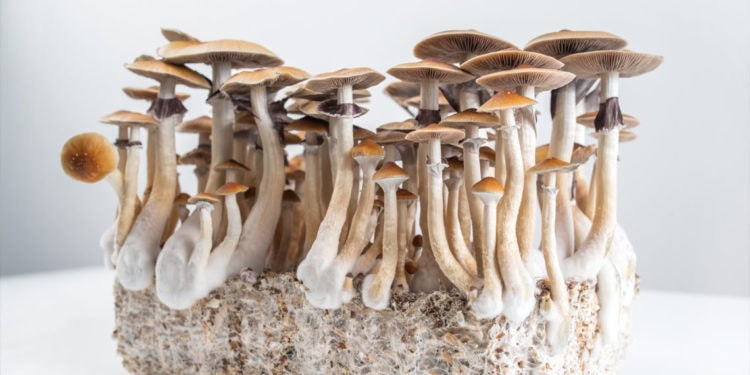
A new analysis of clinical trial data indicates that psilocybin, when administered alongside psychotherapy, may provide rapid relief for patients suffering from cancer-related anxiety and depression. This study, which synthesized data from prior randomized controlled trials, was published in The International Journal of Psychiatry in Medicine.

Recent analysis of federal health data suggests that the recreational use of LSD is associated with a lower likelihood of alcohol use disorder. This finding stands in contrast to the use of other psychedelic substances, which did not show a similar protective link in the past year. The results were published recently in the Journal of Psychoactive Drugs.

Picture this: You’re enjoying a delicious bowl of mushroom soup, when suddenly you notice hundreds of tiny people dressed in cartoonish clothing marching across your tablecloth, jumping into your bowl, swimming around, and clinging to your spoon as you lift it for another taste. You’re not dreaming — you’ve just experienced the effects of a mushroom known scientifically as Lanmaoa asiatica. It belongs to an entirely different class of Fungi than the more commonly known “magic mushrooms” and remains far more mysterious.
Image from Villa Grisebach Auktionen (Wiki Commons)
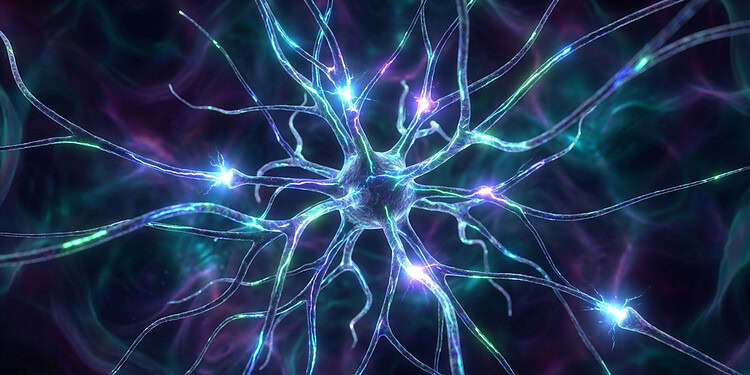
A new study published in Nature Neuroscience provides a detailed look at how the psychedelic drug psilocybin facilitates the unlearning of fear in the brain
War God: Night of Sorrows
Get your copy of War God: Vol III


Magicians of the Gods
Get your copy of Magicians of the Gods: