
Humans news stories

Researchers have discovered that women and children were just as likely as men to be buried with stone tools at a Stone Age grave site, challenging the assumption that such tools were associated only with men. The full analysis of the burial site has been published in PLOS One.
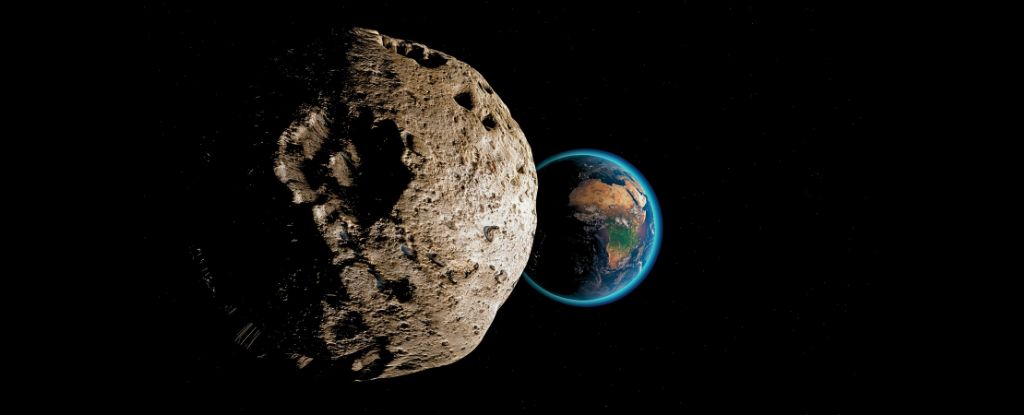
Scientists at the University of Illinois have discovered that poorly aimed asteroid deflection attempts could accidentally steer space rocks through dangerous regions in space known as “gravitational keyholes” that would alas, still mean they hit Earth, just years or decades later!

A new long-term follow-up study has found that a significant majority of individuals treated for major depressive disorder with psilocybin-assisted therapy were still in remission from their depression five years later. The findings were published in the Journal of Psychedelic Studies.

Anthropologist Lee Berger and his team at the University of the Witwatersrand, working within the Rising Star cave system in South Africa, have published their most extensive evidence yet of deliberate burial by Homo Naledi, a small brained hominin that walked the Earth with several current modern human cousins over 240,000 years ago.

Data collected from the Perseverance rover last year has just delivered what might be the best evidence yet for microbial life on Mars. The research has been published in Nature.

Knowledge about the first settlements of Homo sapiens in the interior of the Iberian Peninsula at the beginning of the Upper Paleolithic has been significantly advanced with a new study led by Edgar Téllez, a researcher at the Centro Nacional de Investigación sobre la Evolución Humana (CENIEH). The findings are published in the journal Quaternary Science Advances.

In a new study, researchers from the University of Bern showed for the first time how the chemical composition of primordial Earth was complete three million years after it formed (ca. 4.5 billion years ago). Their results imply that the ingredients for life (water, carbon compounds, sulfur, etc.) were introduced later, likely by an impact.

A single dose of LSD eased anxiety symptoms for many folks and the benefits lasted up to three months, a new study reports. The findings were published Sept. 4 in the Journal of the American Medical Association (JAMA).

Cultural ideas are inextricably entwined with the people who do science, the questions they ask, the assumptions they hold and the conclusions they land on.

Archaeologists in Peru have discovered a multicoloured three-dimensional wall that could date back 4,000 years, in an unprecedented find that has shifted archaeological understanding about the first civilisations in the Americas.

Classical psychedelics act on a surprisingly broad range of brain receptors, not just the serotonin receptor long associated with their hallucinogenic effects, according to new research published in the journal Neuron.

This discovery, published in the journal PLOS One, offers new insights into the complexity of early Homo sapiens’ interaction with plant resources—not only as food but also for more sophisticated uses such as dyeing and medicine. Indeed, Isatis tinctoria L., has a long history of use in both dyeing and healing.
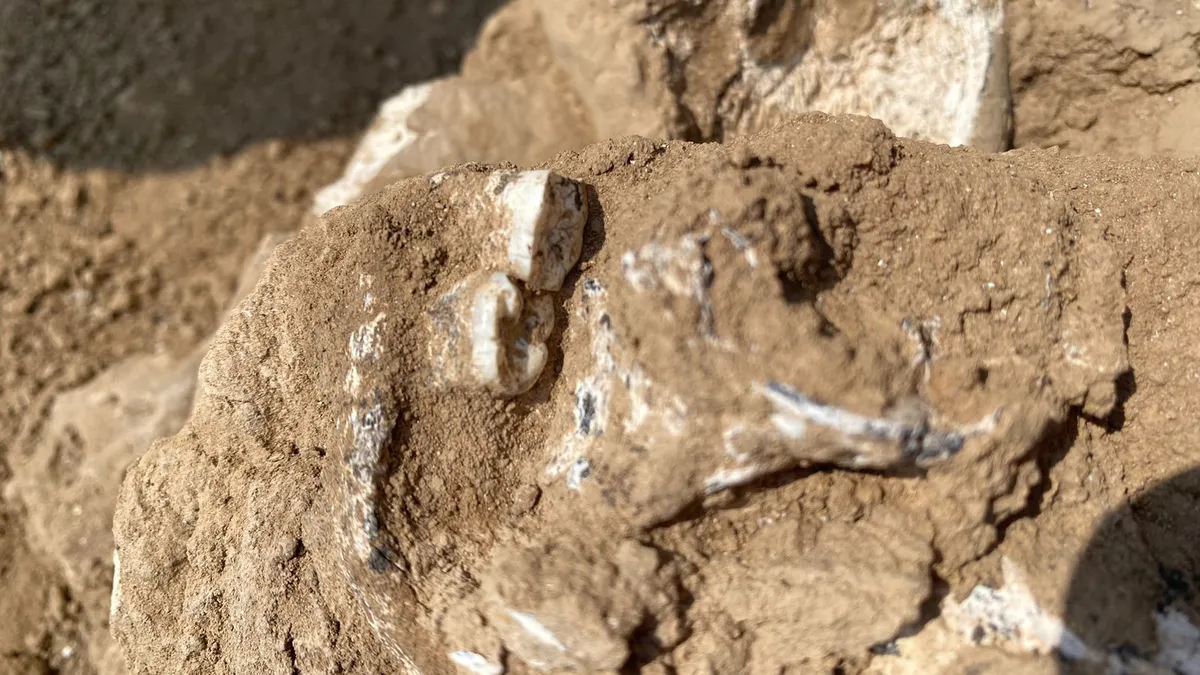
A new fossil find in the Republic of Georgia is expanding our understanding of the earliest humans to leave Africa. The discovery, announced July 31 by the Georgian National Agency for Cultural Heritage Preservation, sheds new light on the evolution of our genus, Homo, and “is expected to reveal the reasons for the migration of early hominins out of Africa,”…

Results showed that a single dose of psilocybin had robust antidepressant effects in these individuals. Fifty percent demonstrated sustained depression reduction, while 43% experienced a sustained reduction in anxiety. The research was published in the journal Cancer.

Their findings, published this week (Aug. 25) in Nature Communications, show that migration of farming groups was the dominant factor, while cultural adoption by hunter-gatherers only played a minimal role.
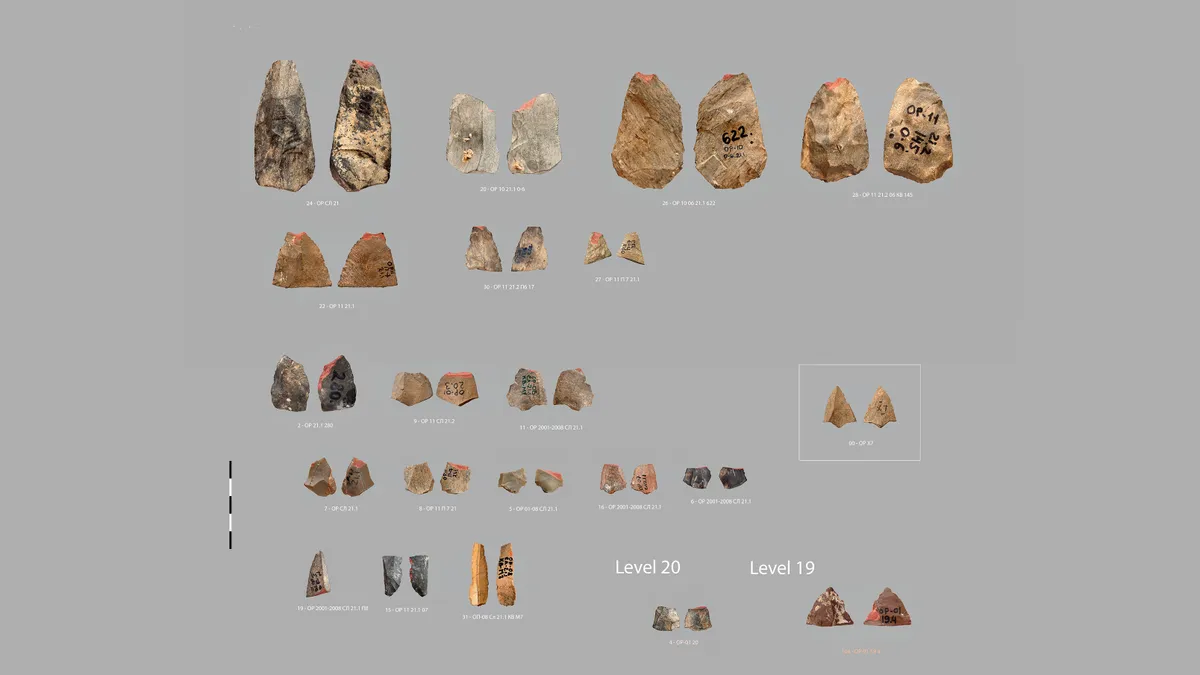
Tiny stone artifacts discovered in Uzbekistan may be the oldest known arrowheads, a new study suggests.
War God: Night of Sorrows
Get your copy of War God: Vol III


Magicians of the Gods
Get your copy of Magicians of the Gods: