
Humans news stories
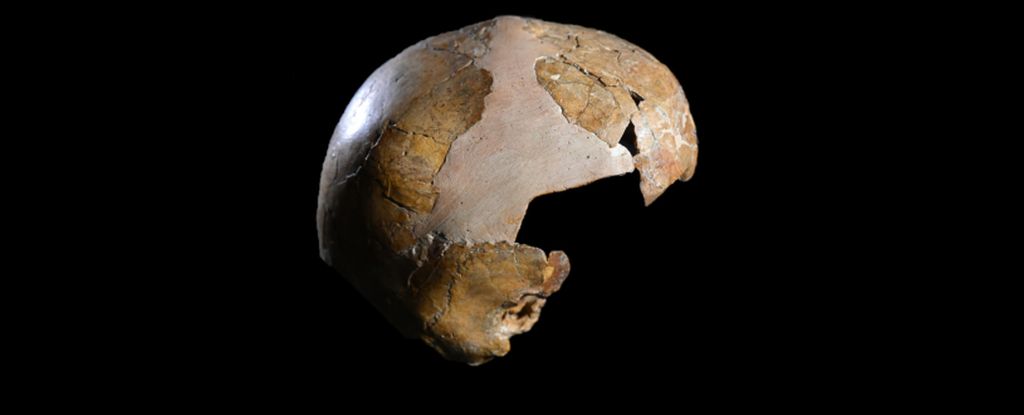
The skull of a small child who lived and died many millennia ago represents the oldest direct evidence to date of the prolonged mingling between anatomically modern humans and our closely related cousins, the Neanderthals. The research has been published in L’Anthropologie.
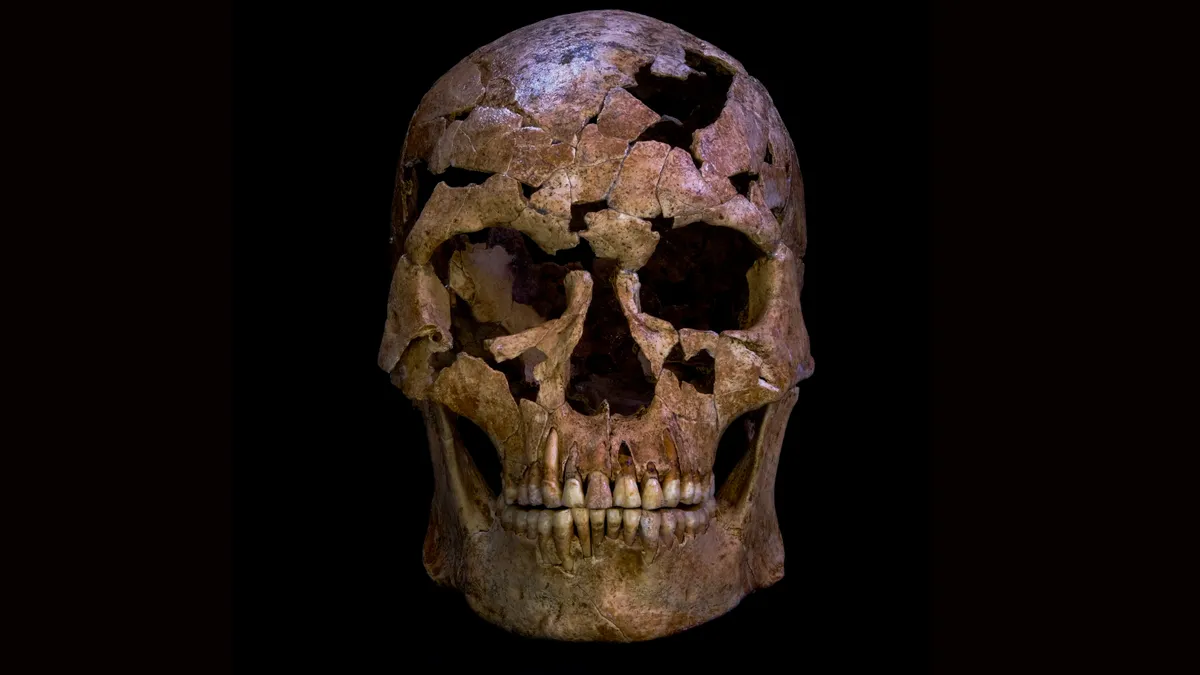
Around 12,000 years ago, a man was shot by an arrow with an exotic stone tip in what is now Vietnam. He survived the initial injury but likely succumbed to infection, a new analysis of his remains suggests.

Many key crops, such as wheat, barley, and legumes, have been traced to the Fertile Crescent and the harvesting of wild grains by a people known as the Natufians, roughly 10,000 years ago. Now, a new study by an interdisciplinary research team shows that, by at least 9,200 years ago, people as far north and east as southern Uzbekistan were harvesting wild barley using sickle blades as well.

Even the words we use to express our connection to nature are dwindling as the demands of modern life isolate us from the non-human world, according to a new study by psychologist Miles Richardson of the University of Derby in the UK. The research was published in Earth.

The research, published in PLOS One, proposes that the beginnings of urban civilisation in ancient Mesopotamia were driven by the dynamic relationships between rivers, tides and sediments at the head of the Persian Gulf.

Our new study, published in the journal Australian Archaeology, is the first archaeological research undertaken on the Great Papuan Plateau. The findings continue to undermine the historical Eurocentric idea that early Indigenous societies in this region were static and unchanging.

The mystery of the Petralona Cave skull centers around two intriguing unknowns. First, while it is clearly of the Homo genus, it is distinctly different from both Neanderthals and current modern humans. Next, dating the skull has remained difficult to narrow down, with previous estimates spanning about 170,000 to 700,000 years in age. See the study, “New U-series dates on the Petralona cranium, a key fossil in European human evolution,” published in the Journal of Human Evolution.

The research takes a new look at a species known as Denisovans. These ancient relatives of humans lived from what is today Russia south to Oceania and west to the Tibetan Plateau.The researchers published their results in the journal Science.

Isotopes shows animal began life in Wales, adding weight to theory cattle used in hauling stones across country

Have you ever wondered why people who nearly die often describe speeding toward supernatural light, or seeing their life flash before their eyes? You may have also heard about the powerful psychedelic dimethyltryptamine (DMT), a class A illegal drug in the UK, and how it might generate the so-called near-death experiences. In a recent study, I compared both types of experience and found they share fascinating similarities – but also critical differences.
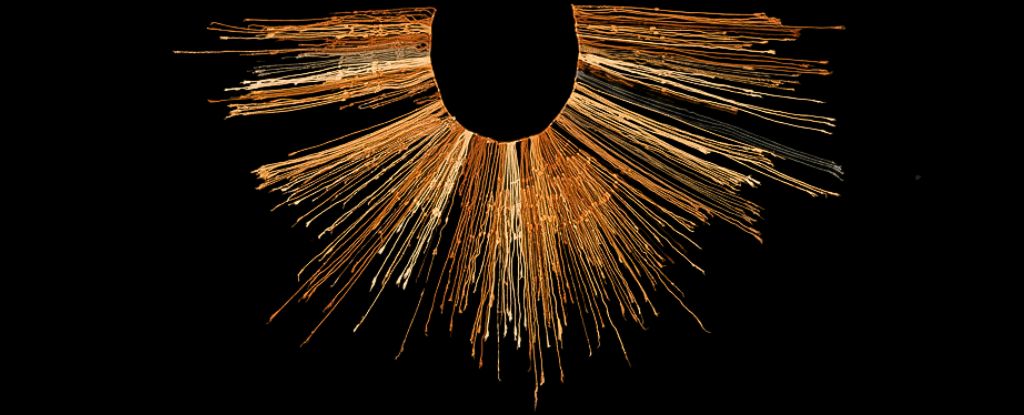
The people of the ancient Incan empire kept careful records of their economics, religion, demographics and history. Those records took the form of knotted cords called khipus.

In the study, “Arrow heads at Obi-Rakhmat (Uzbekistan) 80 ka ago?,” published in PLOS ONE, researchers designed a traceological search to identify weapon heads in the oldest layers of the Obi-Rakhmat rock shelter.

Evidence from Kenya shows that key stone tools in the development of early humans were made by transporting materials over long distances 600,000 years earlier than previously thought…Geochemical analysis of 401 Oldowan tools from Kenya was published in the journal Science Advances.
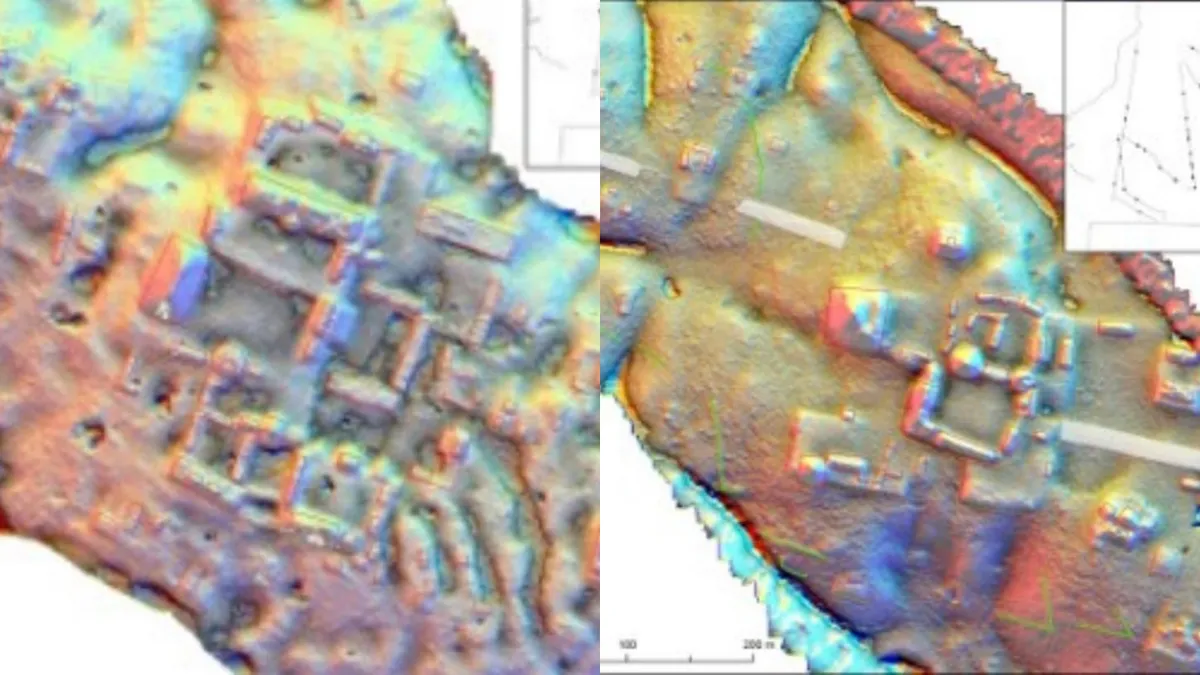
After using lasers to map the Maya Lowlands, researchers have updated their estimates of the total Maya population during the Late Classic Period (A.D. 600 to 900). The new research was published online July 7 in the Journal of Archaeological Science: Reports.
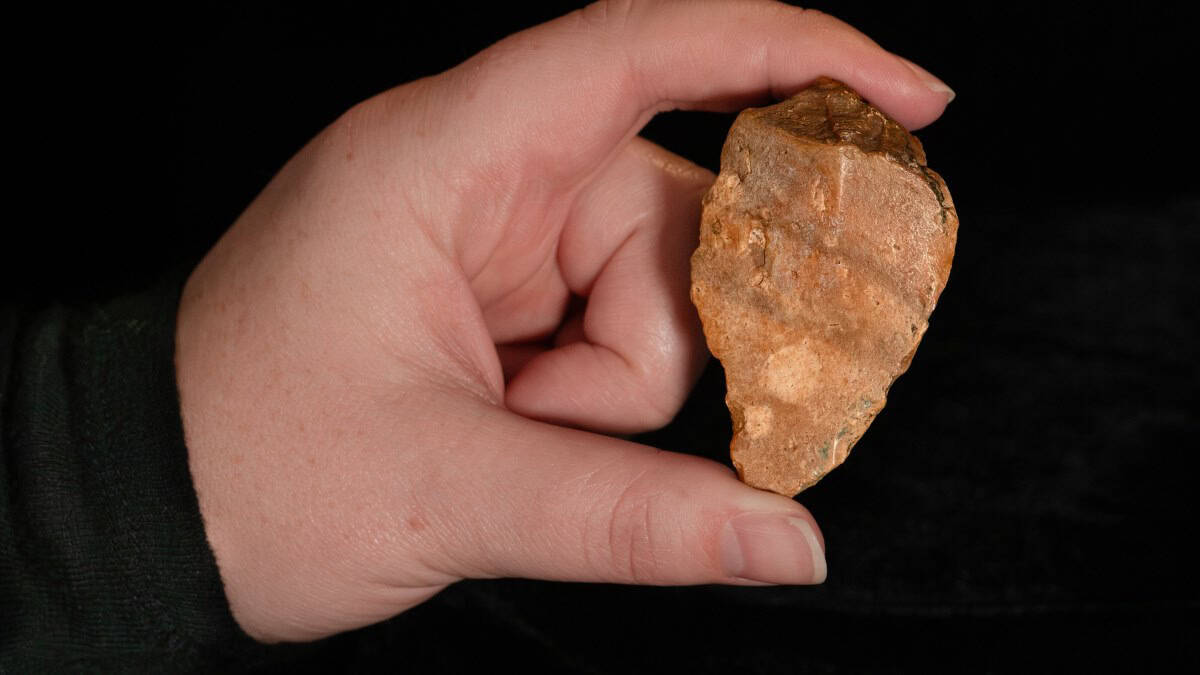
Archaeologists have found ancient human stone tools dating to more than 1 million years ago on the Indonesian island of Sulawesi. The tools are 5 times older than the previous earliest evidence of humans on the island. The findings are presented in a paper published today in Nature.

Université de Bordeaux-led research reports that spatial statistics can discriminate potential Paleolithic Artificial Memory Systems from butchery and art, aligning prehistoric marked objects with memory devices in Africa and Europe. The study was published in Archaeological and Anthropological Sciences.
War God: Night of Sorrows
Get your copy of War God: Vol III

Magicians of the Gods
Get your copy of Magicians of the Gods: