
Humans news stories
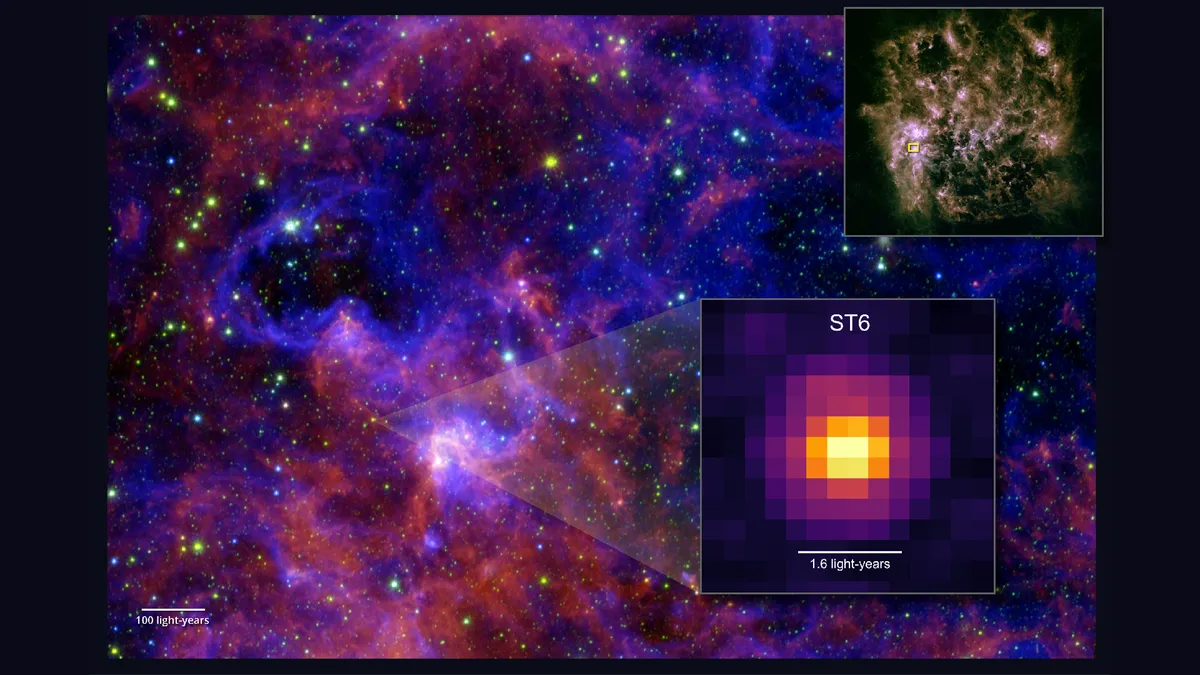
New observations from the James Webb Space Telescope have uncovered five complex organic molecules trapped in the ice around a star outside our galaxy. This cosmic first hints that the stuff of life may be widespread throughout space. See the study published Oct. 20 in the Astrophysical Journal Letters.

A new long-term follow-up study has found that a significant majority of individuals treated for major depressive disorder with psilocybin-assisted therapy were still in remission from their depression five years later. The findings were published in the Journal of Psychedelic Studies.

Researchers have long been attempting to piece together the trek of Neanderthals from Europe into Asia around the Middle and Upper Paleolithic time periods. This time marks the eventual disappearance of Neanderthals and the transition to a Homo-sapien-dominated world…The research is published in Proceedings of the National Academy of Sciences.
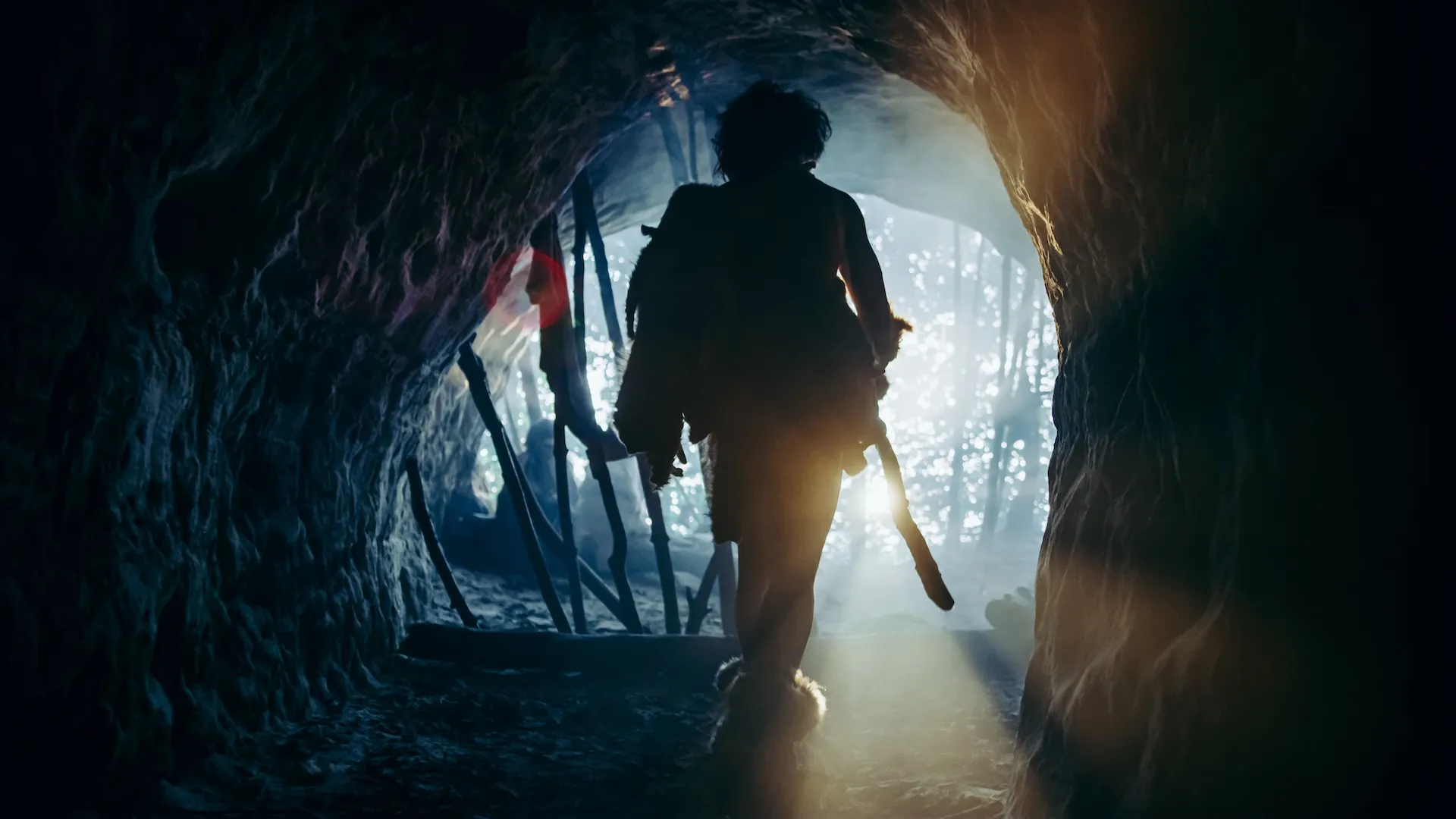
With today’s technology, we cannot bring back Neanderthals. But even if future advances allow it, should we?

Using plain old shiitake mushrooms (Lentinula edodes), scientists have built working memristors – circuitry elements that ‘remember’ their past electrical states – not from titanium dioxide or silicon, but the root-like (and somewhat neuron-like) part of a fungus called the mycelium.

The fossilised lower leg bone (tibia) of an extinct, giant ‘sthenurine’ kangaroo was unearthed in the early 1900s alongside other bone fragments from the Mammoth Cave in southwestern Western Australia.
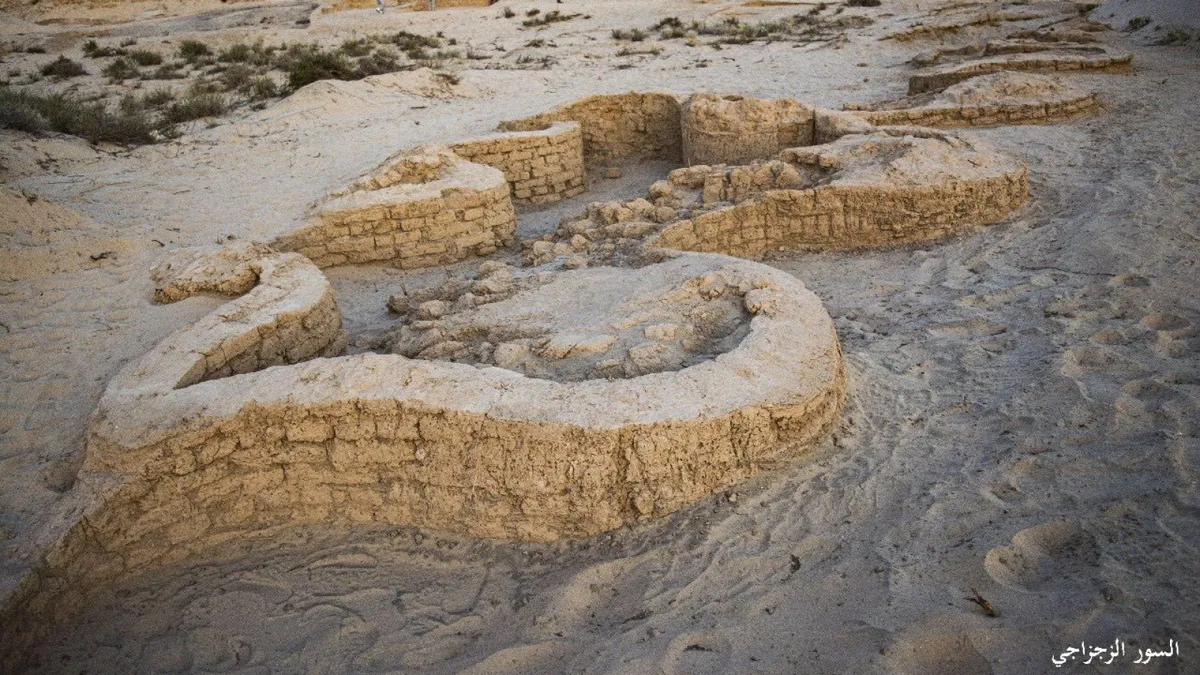
Archaeologists have discovered a 3,500-year-old military fortress with a zigzag-style wall in the north Sinai Desert of Egypt, not far from the Mediterranean coast. The fort is remarkably well preserved, and even has the remnants of ovens and a hunk of fossilized dough that the fortress’ soldiers never got a chance to eat.

A research team led by the University of Copenhagen has uncovered a remarkable Early Bronze Age ritual landscape at Murayghat in Jordan. The discovery can shed new light on how ancient communities responded to social and environmental change…Susanne Kerner has recently published the article “Dolmens, standing stones and ritual in Murayghat” in the journal Levant, which discusses the findings at Murayghat.
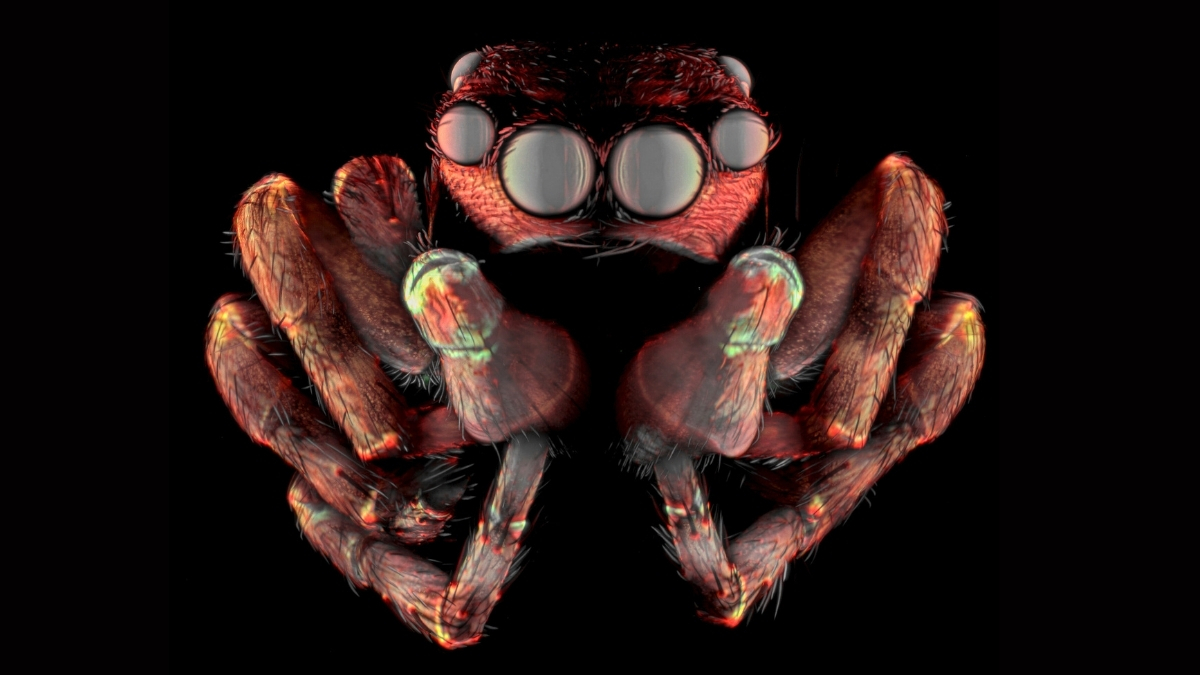
An astoundingly detailed weevil on a single grain of rice takes first place in 2025’s Nikon Small World photomicrography competition.

This discovery could force us to rethink what we know about prehistoric human societies. As the researchers write in their paper published in the journal Proceedings of the National Academy of Sciences, building the megastructures would have demanded huge coordinative effort, requiring large numbers of people to work for many hours, far more effort than a family unit. According to estimates, the largest structure required over 5,000 person-hours of labor.

An analysis of stone tools found in Italy and Lebanon indicates that around 42,000 years ago, modern humans in Europe and the Near East took different approaches to toolmaking. Their study has been published in the latest edition of the Journal of Human Evolution.
Long-term users of ayahuasca may process emotional experiences differently than those who do not use the substance, according to a new brain imaging study published in the Journal of Magnetic Resonance Imaging. The findings indicate that regular ritual use of the psychedelic brew is linked to changes in brain activity patterns and elevated psychological resilience, offering preliminary evidence that its long-term effects may extend beyond acute experiences.
A comprehensive peer-reviewed invited review published in Psychedelics by Dr. Kenji Hashimoto and colleagues (Dr. Mingming Zhao and Dr. Jianjun Yang) synthesizes the evolving landscape of MDMA-assisted psychotherapy, examining robust clinical evidence in treatment-resistant posttraumatic stress disorder while identifying promising applications in autism spectrum disorder, eating disorders, and existential distress.

With help from citizen scientists, astronomers have found the most powerful and distant “odd radio circle” ever detected. Researchers detailed their findings in a paper published Oct. 2 in the journal Monthly Notices of the Royal Astronomical Society.

Similar structures have been found in other arid regions of the world, including the Middle East, but this is the first time such a concentration has been discovered in the area, and it raises the possibility that they predate those known to have been used by the Inkas. The results are published in the journal Antiquity
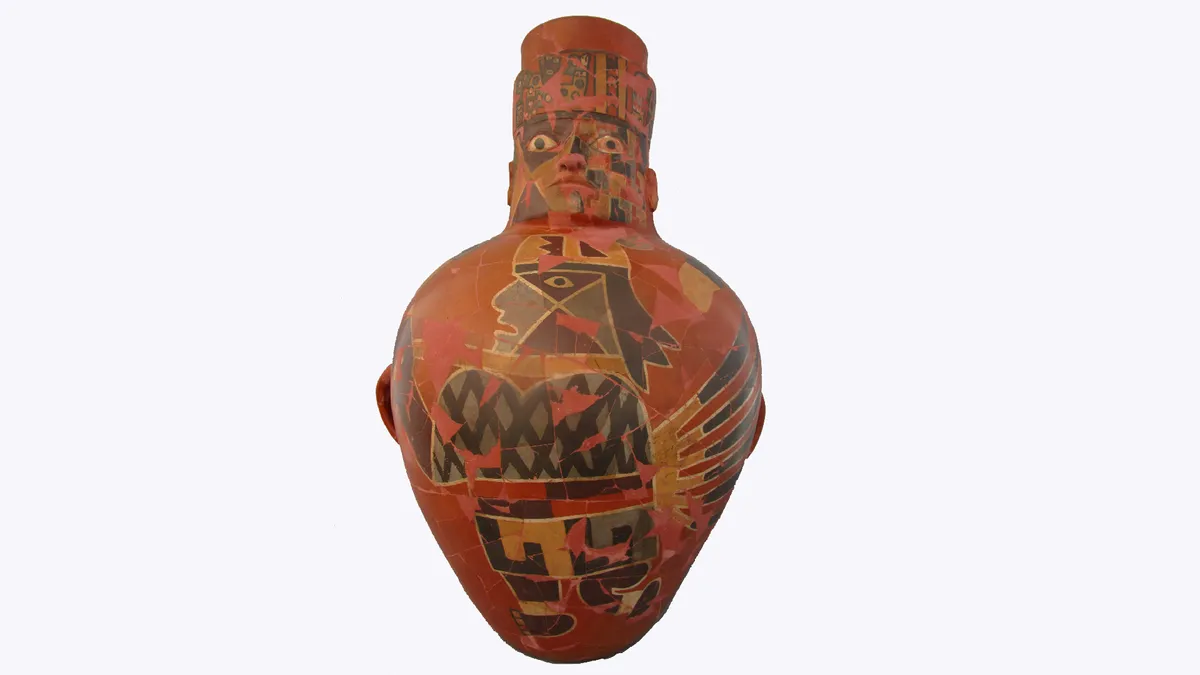
In the new study, published Monday (Oct. 6) in the journal La Revista de Arqueología Americana (The Journal of American Archaeology), the researchers suggest that Wari rulers used psychedelics mixed in beer to help grow their empire. They explain that the “afterglow” — the long-term effect of drinking the mix — would have lasted weeks and that communal feasts where it was drunk would have brought people together.
War God: Night of Sorrows
Get your copy of War God: Vol III


Magicians of the Gods
Get your copy of Magicians of the Gods: