
Humans news stories

Dogs have been part of human societies across Eurasia for at least 20,000 years, accompanying us through many social and cultural upheavals. The new study by an international team was published in the journal Science.
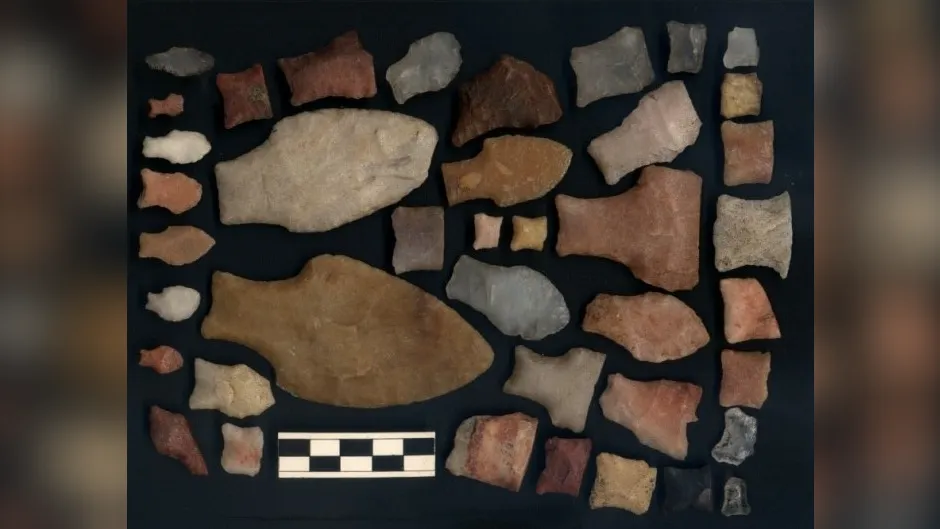
A previously unknown Indigenous population lived in central Argentina for nearly 8,500 years, a new genetic study finds. The study was published Nov. 5 in the journal Nature.

“Surprisingly, we found that individuals in the Japanese archipelago from the prehistoric Jomon period [from around 16,000 to 3,000 years ago] carried the least Denisovan ancestry among ancient and present-day East Asians,” the researchers wrote in the study, which was published Oct. 20 in the journal Current Biology.


Despite research indicating migration into the area over 12,000 years ago, there is currently little DNA research that describes the lineages associated with the area. To remedy this problem, a group of DNA researchers conducted a genome-wide study on ancient individuals from the region. The new research is published in Nature.
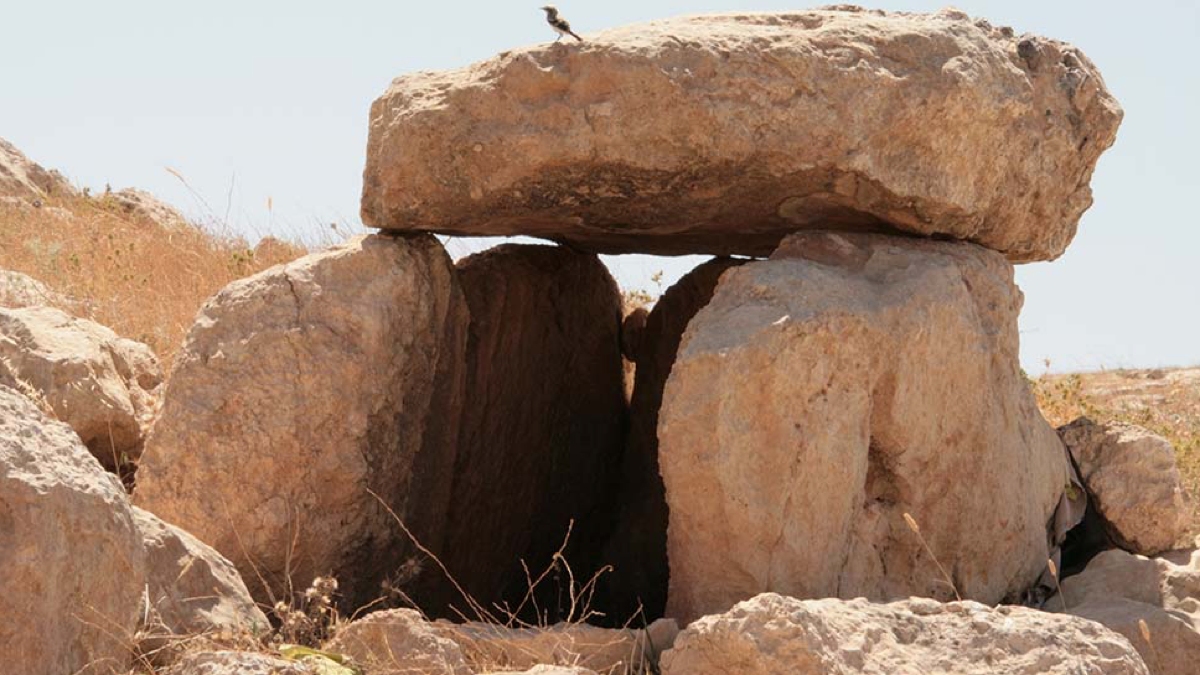
In a new study, researchers take a closer look at this transformative era through the lens of Murayghat, an ancient archaeological site located near the city of Madaba in what is now Jordan. The study was published in Levant: The Journal of the Council for British Research in the Levant.
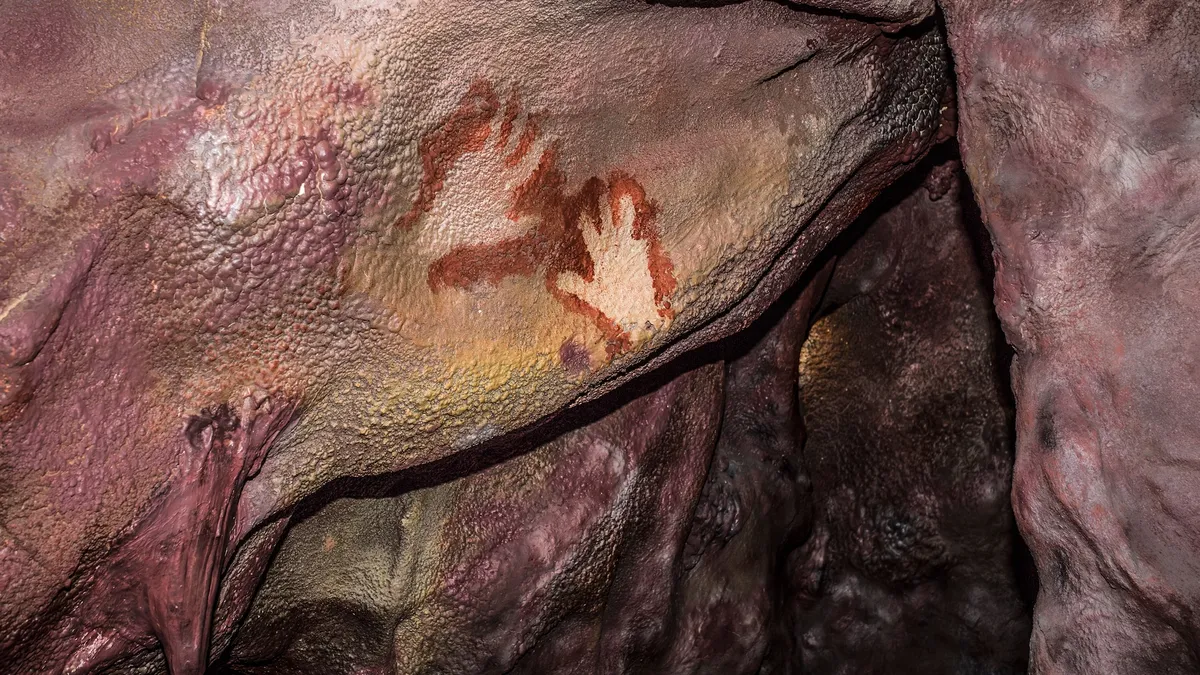
The ability to make art has often been considered a hallmark of our species. Over a century ago, prehistorians even had trouble believing that modern humans from the Upper Paleolithic (between 45,000 and 12,000 years ago) were capable of artistic flair.

Published in the journal Communications Earth & Environment, their findings challenge long-held narratives of societal “collapse,” instead showing that Rapanui communities were resilient to profound climate stress. Columbia Climate School spoke with lead author Redmond Stein about how the team uncovered this history and what it means for understanding the links between climate and culture.

Archaeologists in Peru have found new evidence showing how the oldest known civilization in the Americas adapted and survived a climate catastrophe without resorting to violence.
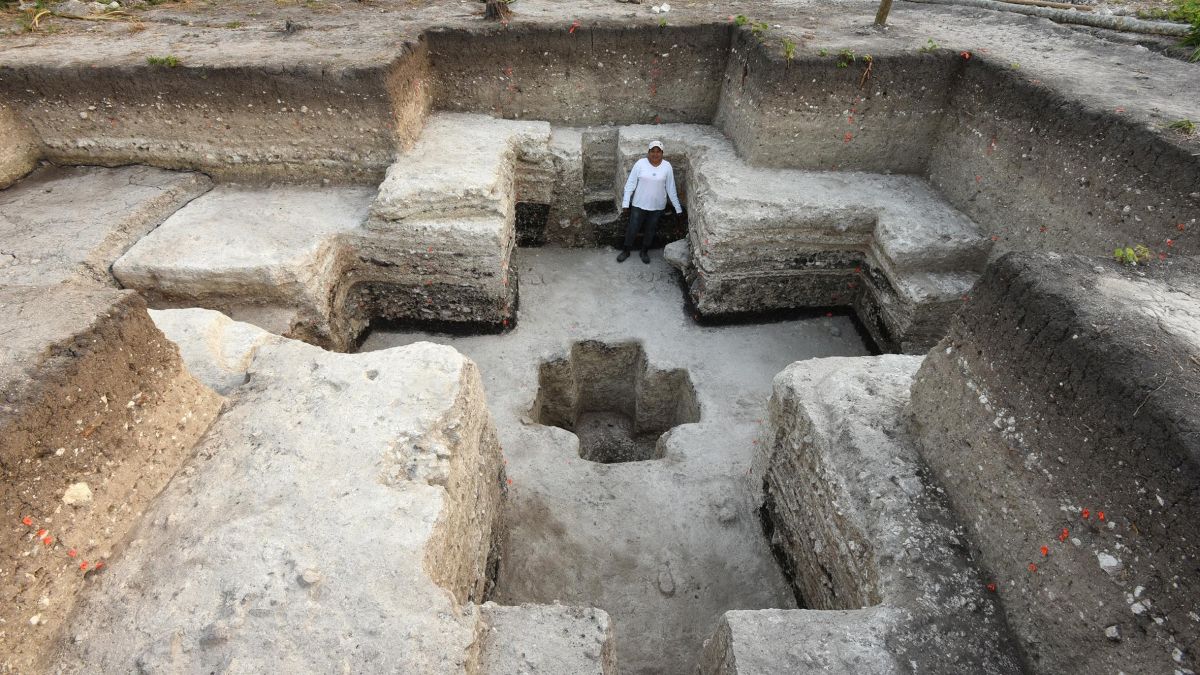
A monumental complex built by the Maya around 3,000 years ago was modeled on a map of the cosmos, new fieldwork has revealed. The paper has been published in Science Advances.

In a recent study published in the journal Current Biology, researchers conducted the first systematic paleogenetics analysis of DNA segments inherited from Denisovans, identified in ancient and present-day humans. By tracing these segments over the past 40,000 years, they reconstructed the dynamics of Denisovan ancestry over time and space across continental Eurasia.

The Southern Taurid meteor shower peak on Nov. 4-5 brings the potential for bright meteors and dramatic fireballs.

Imagine early humans meticulously crafting stone tools for nearly 300,000 years, all while contending with recurring wildfires, droughts, and dramatic environmental shifts. A recent study, published in Nature Communications, brought to light remarkable evidence of enduring technological tradition from Kenya’s Turkana Basin.
Image by Rachid Hamatou (Wiki Commons)
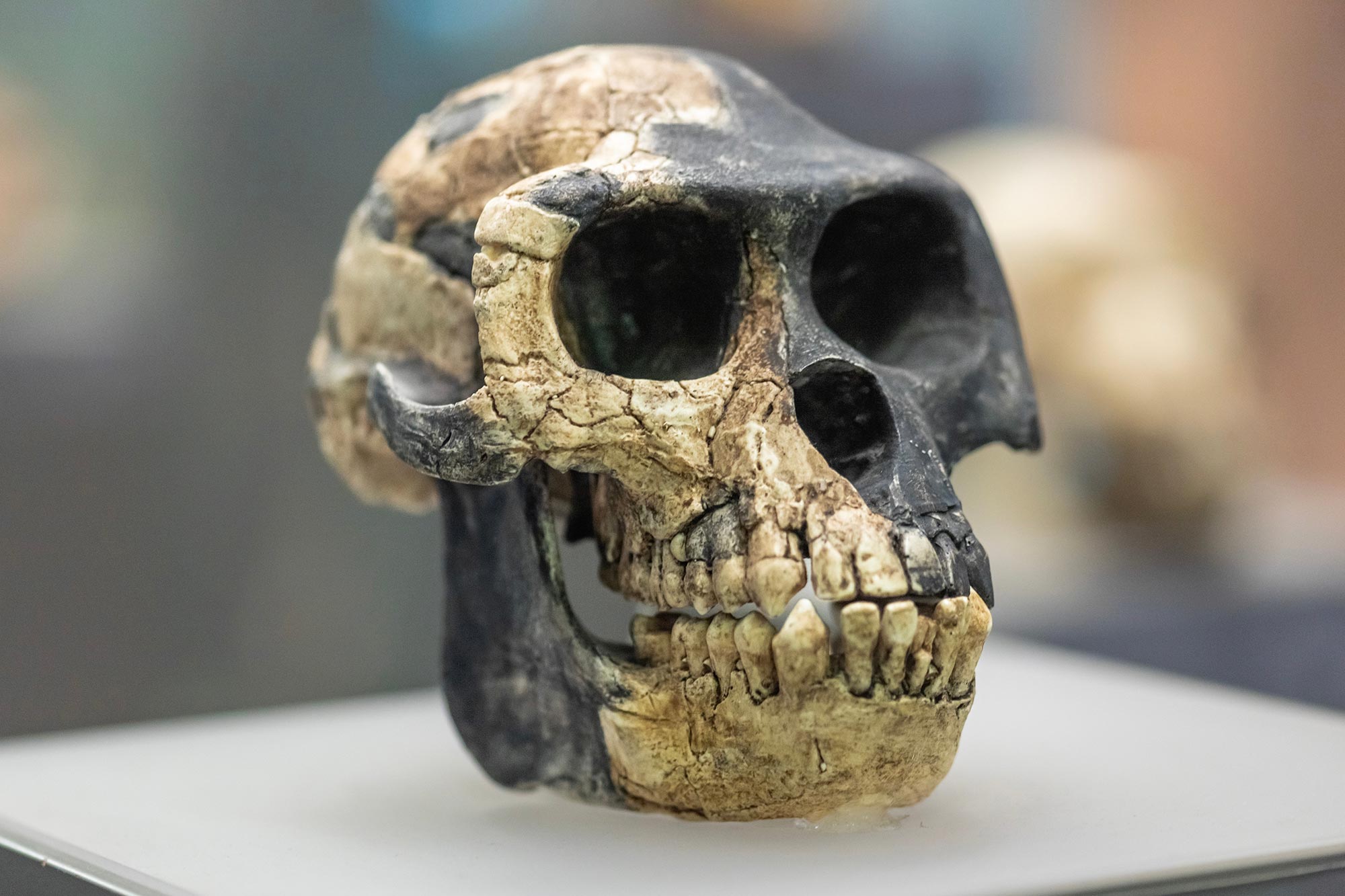
New findings reveal the geological age, context, and anatomy of hominin fossils discovered at the Ledi-Geraru Research Project in Ethiopia.
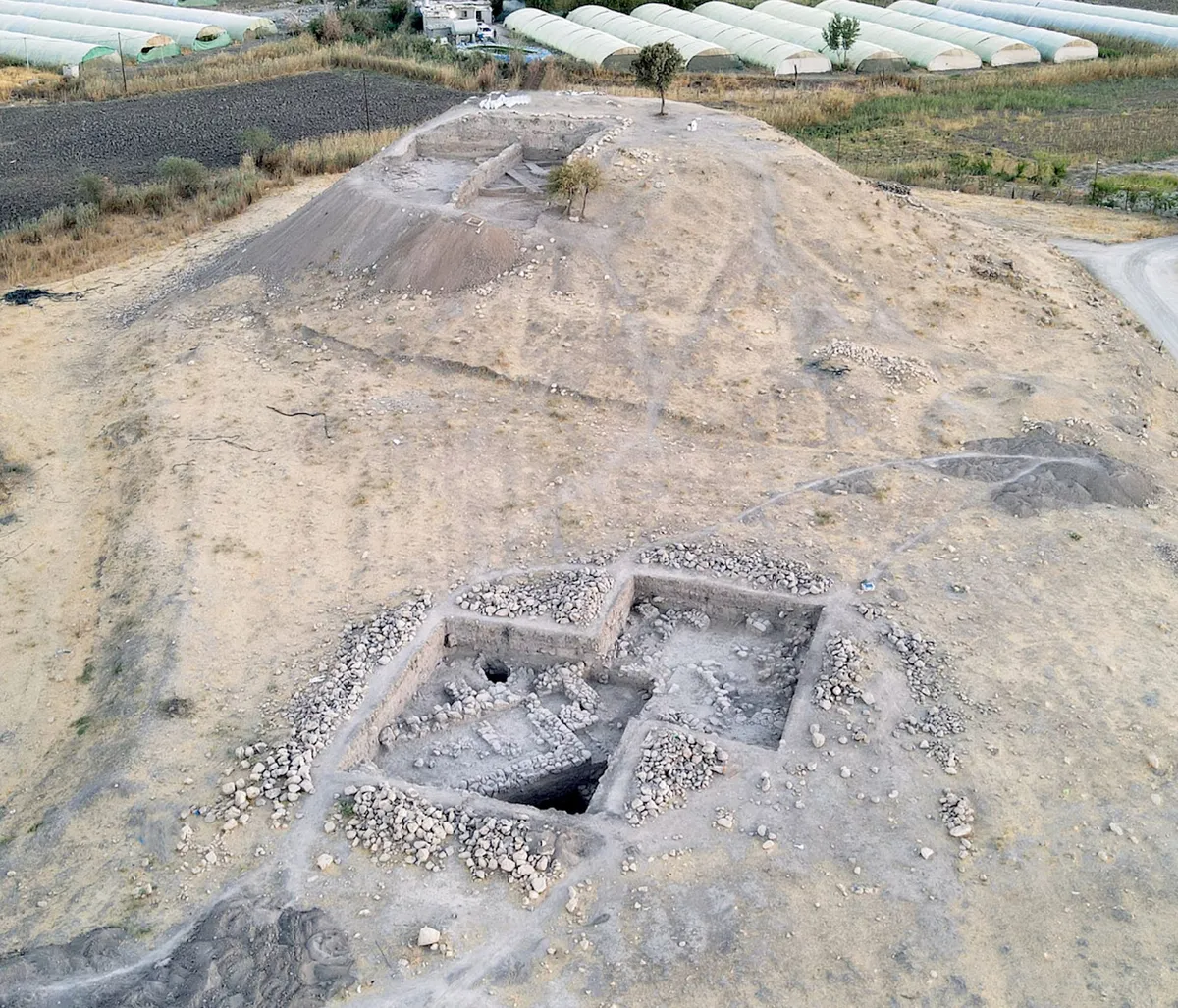
Archaeologists in Iraq have unearthed the remains of a 5,000-year-old building that may have been a temple from the Uruk period, when the first cities in the world were taking off.

Ochre is an iron-rich mineral pigment that was used by many ancient civilizations for color, decoration and practical tasks such as preserving animal hides and tanning clothing. The research was published in the journal Science Advances.
War God: Night of Sorrows
Get your copy of War God: Vol III


Magicians of the Gods
Get your copy of Magicians of the Gods: