
Ancient news stories

The hominin family tree is more like a complicated, tangled bramble…Now, new evidence has emerged of this complex history. From three sites across China, archaeologists have identified proteins in six H. erectus teeth that contain a genetic variant also seen in Denisovans, hinting at genetic mixing between the groups. The findings have been published in Nature.
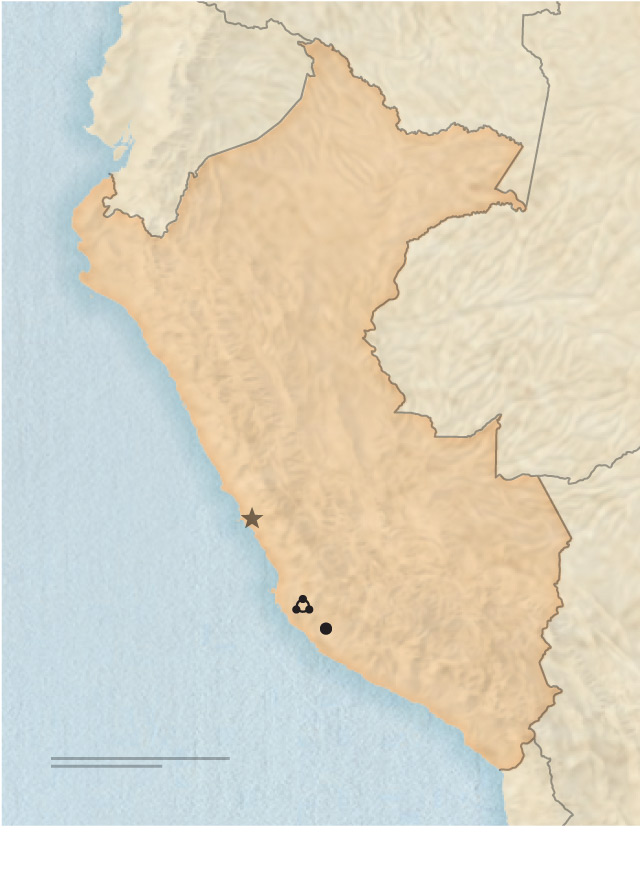
A century ago, scientists began to study enigmatic Nasca geoglyphs in Peru. Thanks to AI, the known number has nearly doubled, and these discoveries are providing new insights into what their messages meant.
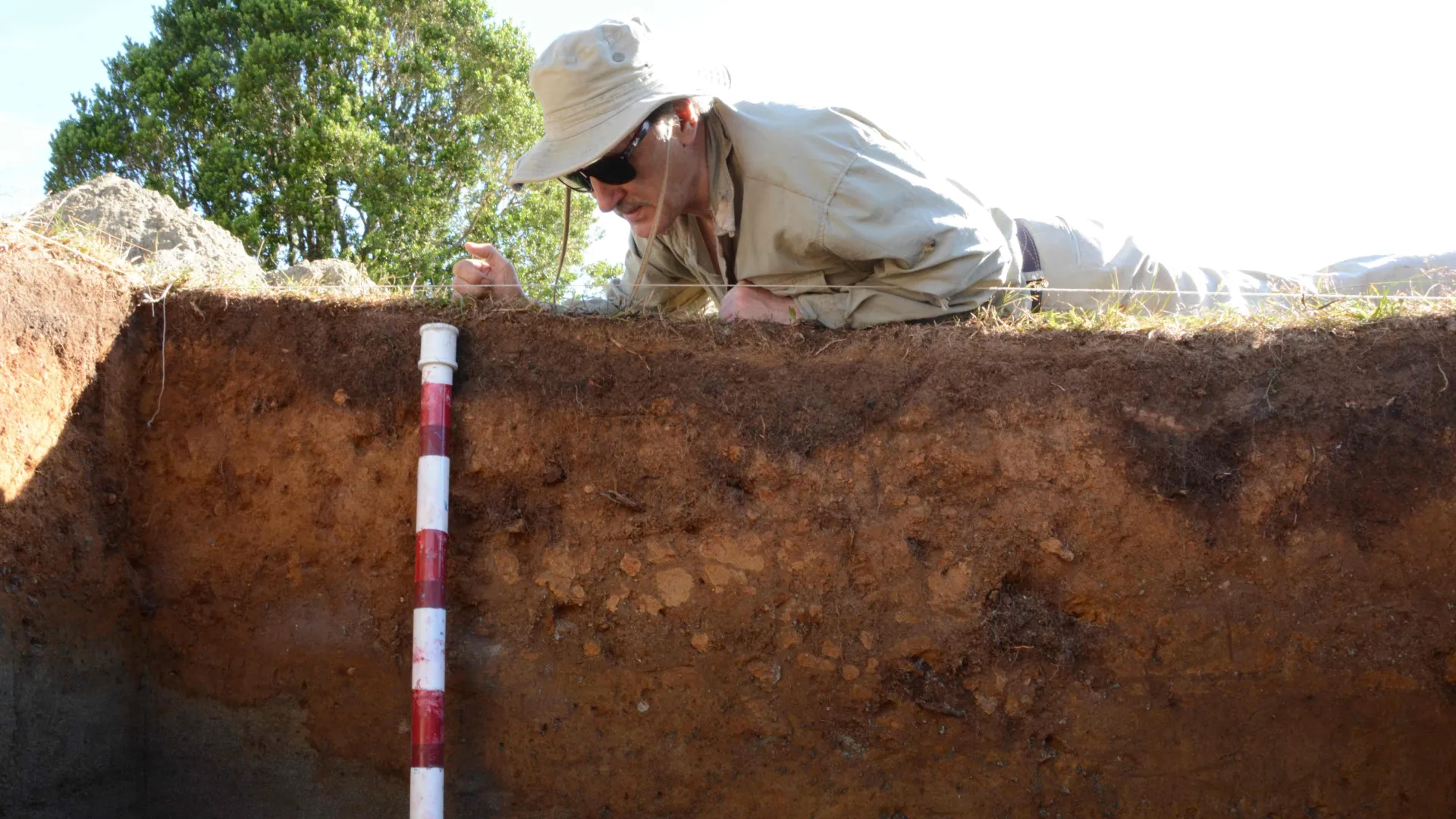
Dozens of scientists have banded together to pen scathing research letters to the journal Science about the publication of a study claiming the 14,500-year-old Monte Verde archaeological site in Chile is much younger than shown….a collection of three scientific letters published last week, 30 experts have critiqued the study’s “substantive errors and misrepresentations” and asserted that the study’s claims are “categorically false and found to be unsupported.”

Recent satellite remote sensing surveys have identified 280 stone structures spread across the Atbai desert in Sudan…Now, new research, published in the African Archaeological Review, takes a closer look at the purpose of these monuments and the unique, cattle-centered pastoralist culture behind them.

A study published in the Journal of Island and Coastal Archaeology has identified the earliest evidence of prehistoric occupation by island dwellers of northern Sri Lanka. Long thought to be unsuitable for human occupation due to its scarce stone resources and semi-arid landscape, the findings at Velanai Island challenge this long-held belief and offer insights into early raw-material exploitation, seafaring capabilities, and subsistence behavior.

New research published in the Proceedings of the National Academy of Sciences reveals that our ancestors were not just lucky scavengers. They were also effective foragers who repeatedly processed, accessed, and shared animal resources across different environments.

Neanderthals may not only have feasted on rhinoceroses, they may also have used their exceptionally hard teeth as specialized tools for a range of tasks, such as retouching the edges of stone tools. Their work is published in the Journal of Human Evolution.

A new analysis, based on the crystals growing inside one of the bones, showed scientists the site dated back to an ice age 146,000 years ago—challenging long-held ideas about early humanity at this site becoming creative thanks to warmer times of plenty.

A half century after NASA’s Apollo 17 lunar module lifted off the Moon’s northeastern near side quadrant, planetary scientists still don’t completely understand when or how our Moon first formed.

Archaeologists from the University of Southampton have excavated and recorded a large timber platform hidden beneath what today appears to be a stone-built island, located in a Scottish loch. They used a technique called stereophotogrammetry to record the human-made island above and below the waterline as a single continuous structure, providing a perspective that wouldn’t have been possible using land or underwater survey alone. Their technique is described in an article in the journal Advances in Archaeological Practice.

Astronomers have discovered 27 new potential planets that orbit two stars, like the fictional desert planet Tatooine from the Star Wars universe.

The site dates back to 7100–6700 BCE during the Pre-Pottery Neolithic B (PPNB) period. A new study, published in the Journal of Archaeological Science, describes plaster floors from the site made by a technique previously thought to have been first developed by the Romans 8,000 years later. The finding has archaeologists looking at Neolithic craftsmen in a new light.
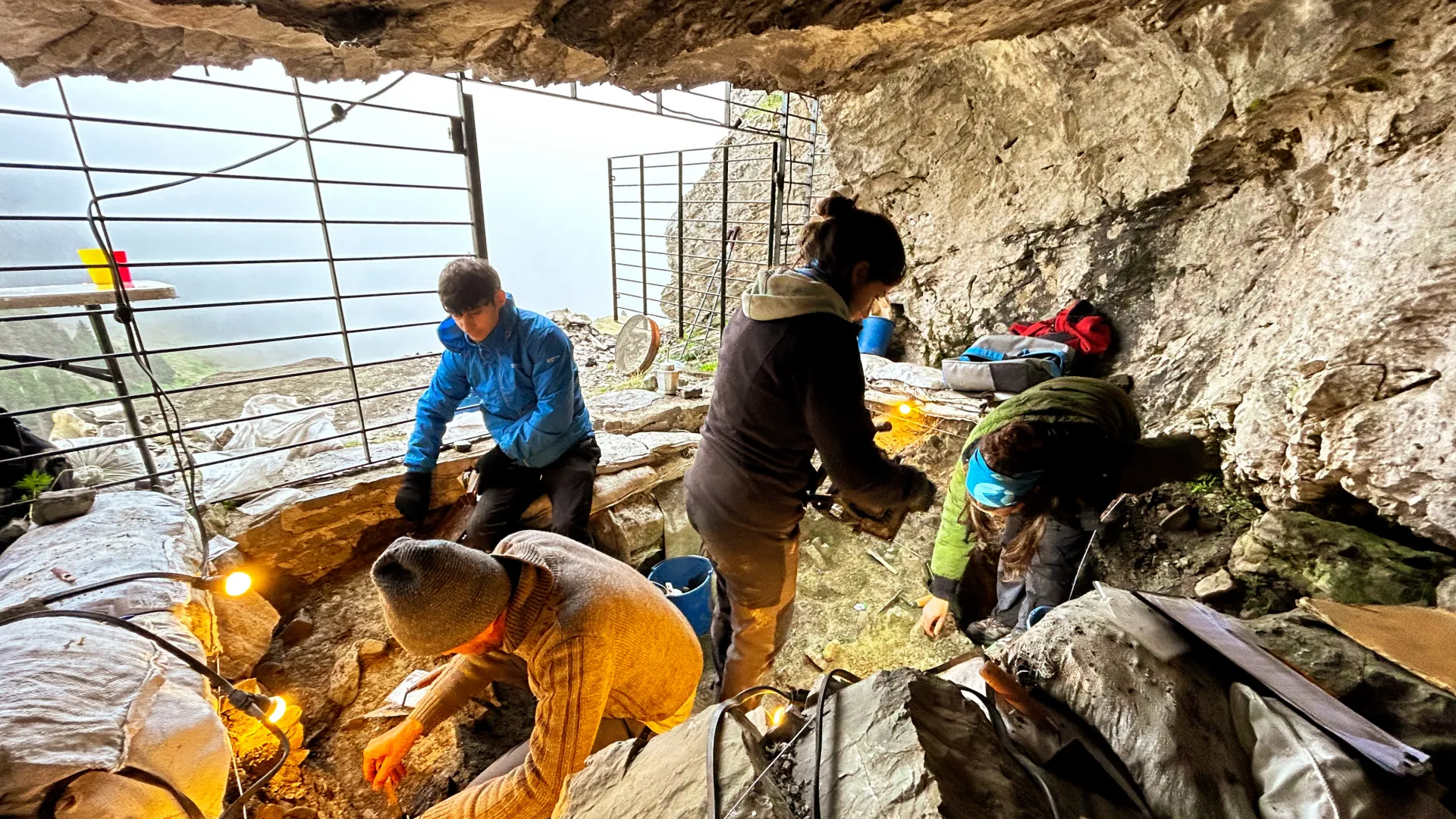
Dozens of pieces of bright-green rock discovered in a cave in the Pyrenees may be evidence of copper smelting 7,000 years ago. The study was published Tuesday (May 5) in the journal Frontiers in Environmental Archaeology.

Mayflies are among the world’s oldest winged insects, emerging roughly 300m years ago – long before dinosaurs walked the Earth. Even the Mesopotamian poem the Epic of Gilgamesh, one of the oldest pieces of literature, makes reference to the short-lived mayfly. Over the epochs, the insect’s basic design has changed very little compared with the fossils of their ancestors.
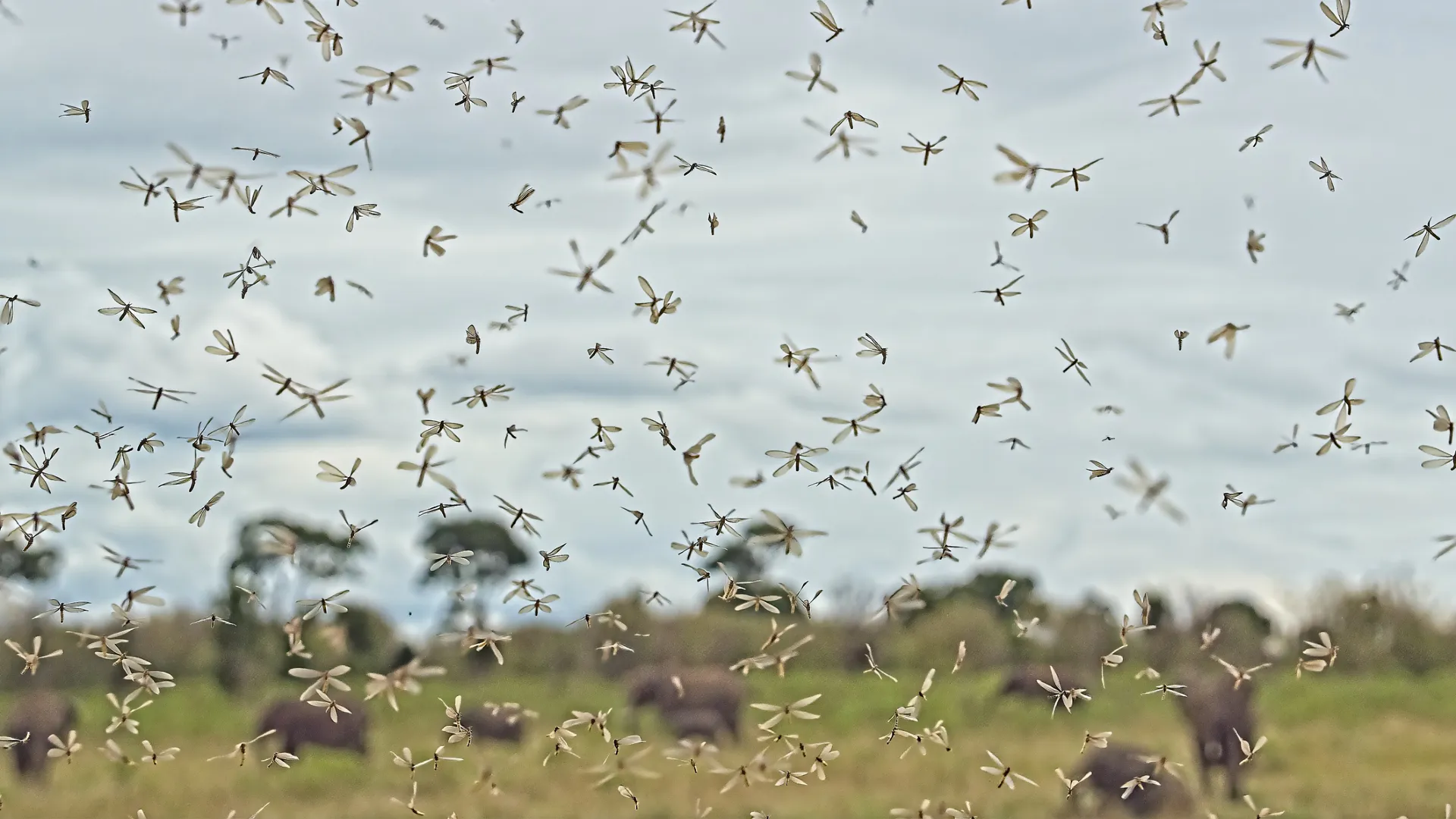
Prehistoric humans in Africa may have avoided areas infested with malaria-spreading mosquitoes, a new study suggests —published April 22 in the journal Science Advances

A recent study, published in the Journal of Archaeological Science: Reports, presents and discusses the earliest burial site in Patagonia and one of the earliest pieces of evidence of Early Holocene human settlement on the South American Atlantic coast.
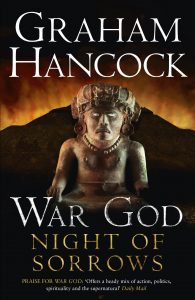
War God: Night of Sorrows
Get your copy of War God: Vol III

Magicians of the Gods
Get your copy of Magicians of the Gods: