Ancient news stories
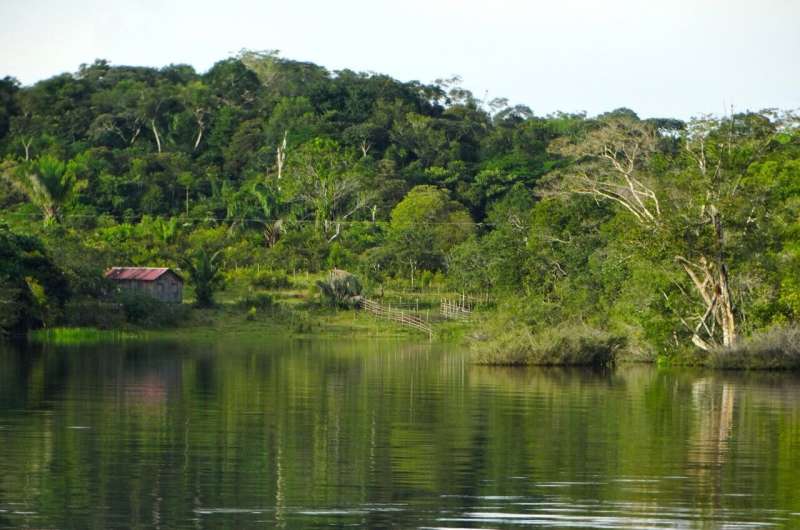
In a rare encounter, a young man from an isolated Indigenous tribe approached a riverine community in Brazil’s Amazon, the country’s Indigenous affairs agency and local witnesses said Thursday.

The tiny cuts and grooves that decorate some ancient human artifacts are not just pretty accidents, according to some archaeologists. The subtle patterns could be early signs of creativity and symbolic thinking in our stone-knapping ancestors. The study was published in Archaeological and Anthropological Sciences.
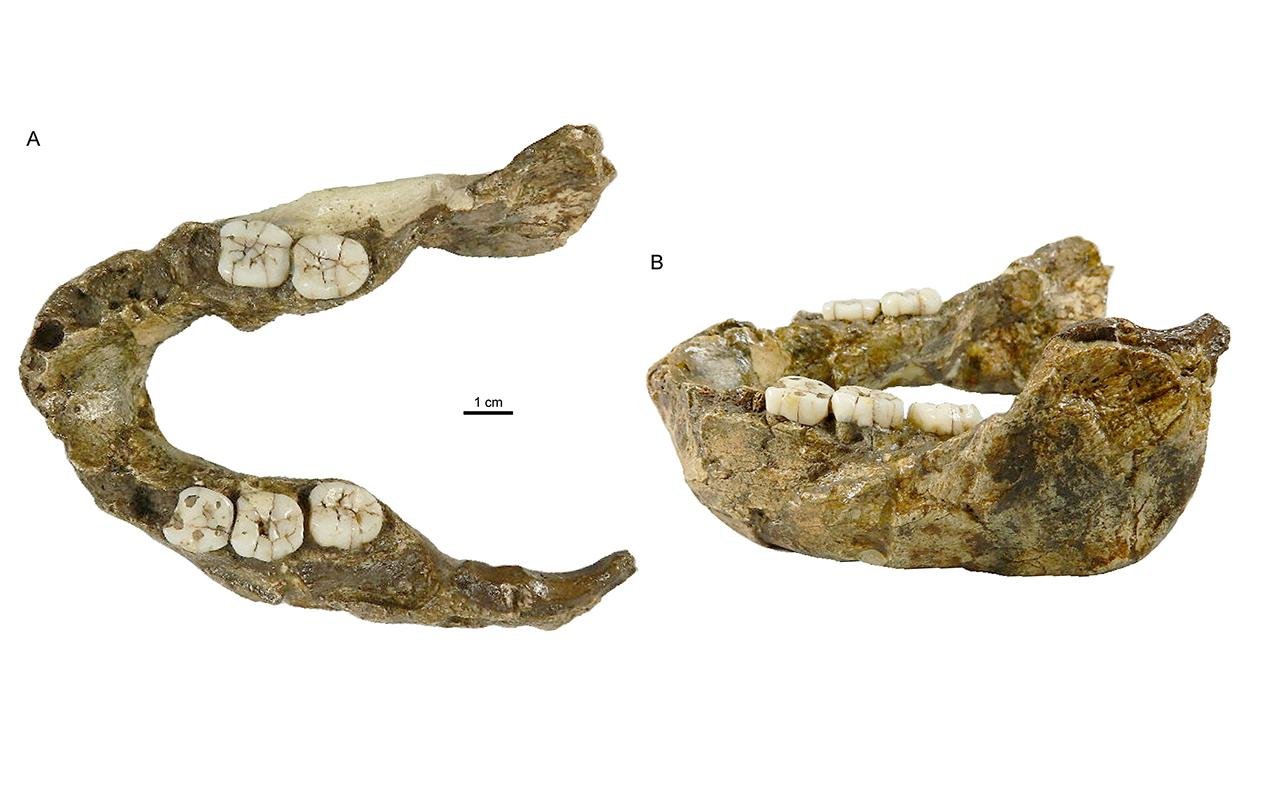
A 1.4-million-year-old fossilized jawbone found in South Africa belongs to a newly discovered species of Paranthropus, an extinct genus of human relatives, according to a recent study published in the Journal of Human Evolution.

A new study demonstrates that certain incised stone artifacts from the Levantine Middle Paleolithic, specifically from Manot, Qafzeh, and Quneitra caves, were deliberately engraved with geometric patterns, indicating advanced cognitive and symbolic behavior among early humans.
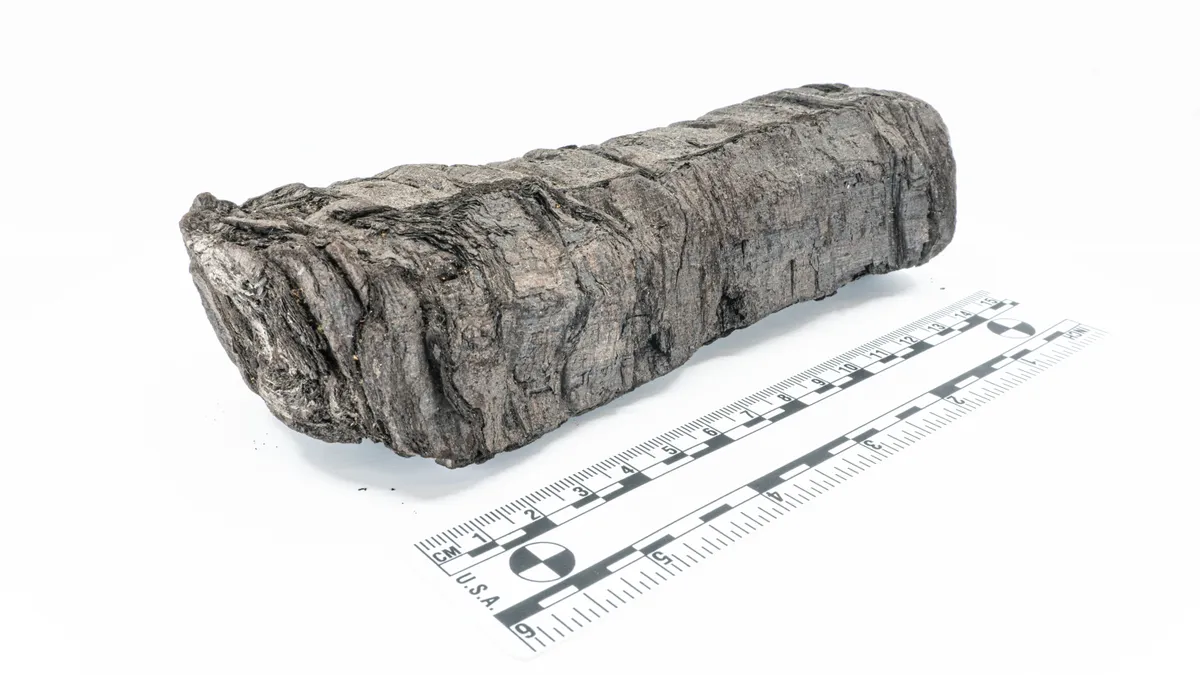
A 2,000-year-old Herculaneum scroll buried by the eruption of Mount Vesuvius is filled with lost words that scholars can now decipher thanks to AI and a particle accelerator.

Cephalopods may have the oldest sex chromosomes of any animal, according to a new discovery in the octopus genome. That’s a big deal, given that scientists didn’t know until now if these oddball creatures even had a form of sex determination written into their genes. The research is published in Current Biology.

Piecing together fragments of the world’s earliest known rune stone shows they fit together like a jigsaw puzzle and may have been separated intentionally, shedding light on the varied pragmatic and ritual aspects of early Germanic rune stones. See the research here.
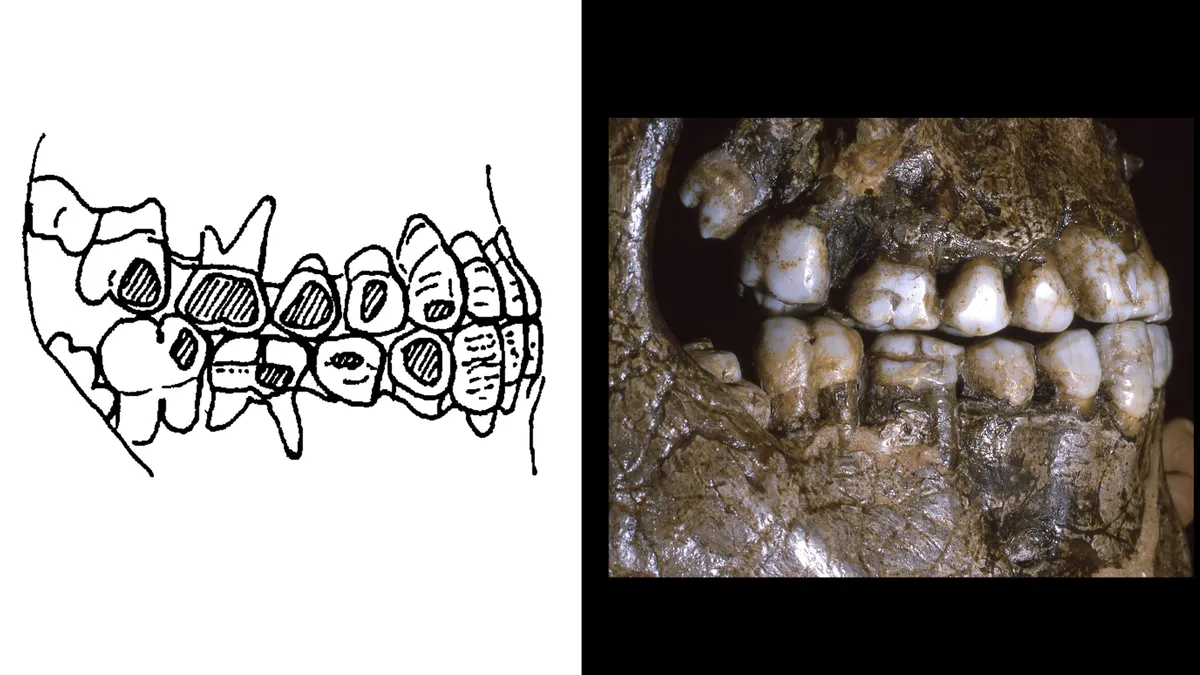
Strange, flat patches on the teeth of ancient Europeans have puzzled archaeologists for centuries. But one researcher thinks he’s solved the mystery: Ice age people as young as 10 years old rocked cheek piercings. The study was published Jan. 23 in the Journal of Paleolithic Archaeology.

Sheep have been intertwined with human livelihoods for over 11,000 years. As well as meat, their domestication led to humans being nourished by their protein-rich milk and clothed by warm, water-resistant fabrics made from their wool. The findings are published in the journal Science.


The focus of the prospecting campaign was on an area that during the Pleistocene housed a large lake, now completely dried up, with ancient wadis or dry riverbeds crossing the landscape. Egberts collected over 850 artifacts, ranging from very old hand axes from the Early or Old Paleolithic to Levallois reduction flakes from the Middle Paleolithic, all surface material.

A review of the oldest known dinosaurs has revealed that fossil evidence for their origin probably has not yet been discovered. Most of the earliest dinosaur fossils have been found in South America and Africa.

A new study reveals that what lies beneath the lunar surface may be more dynamic than previously believed.
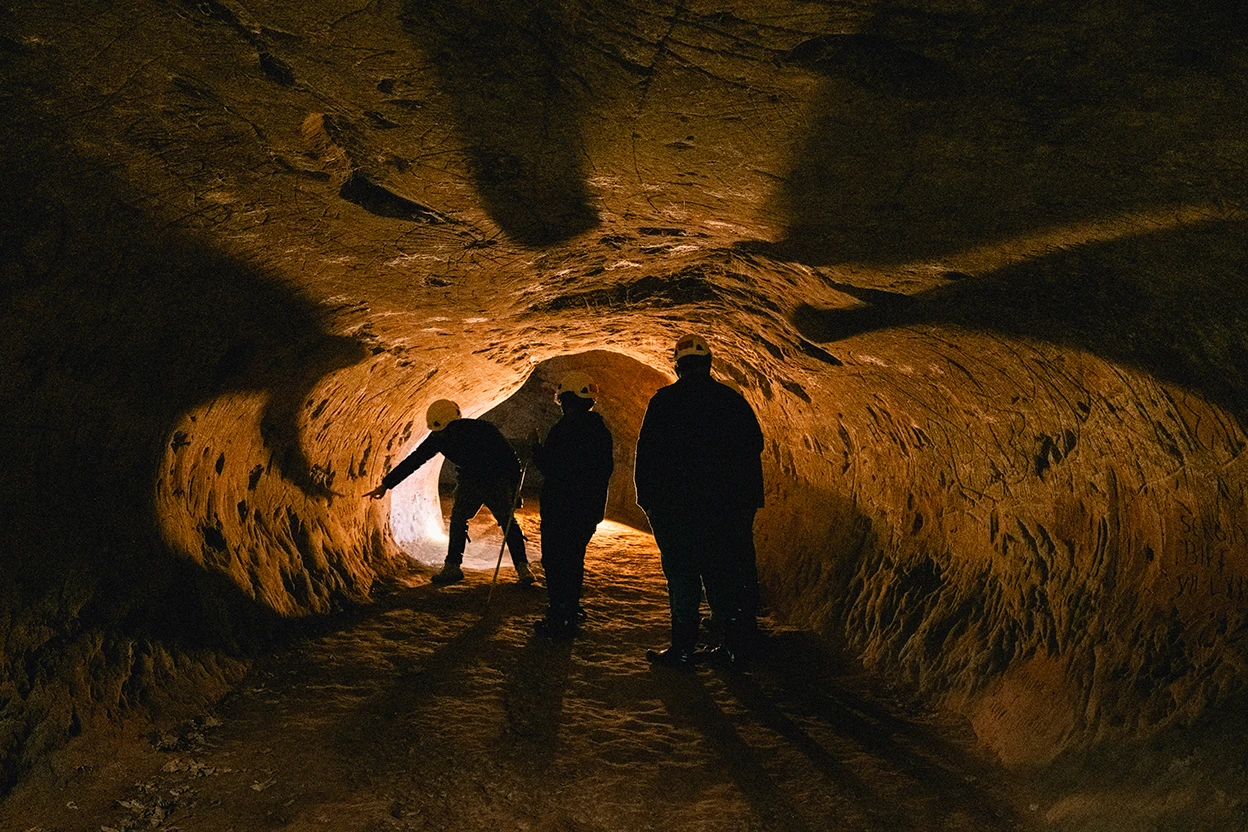
Researchers are investigating who — or what — cut ancient tunnels in sandstone in Brazil and nearby nations.
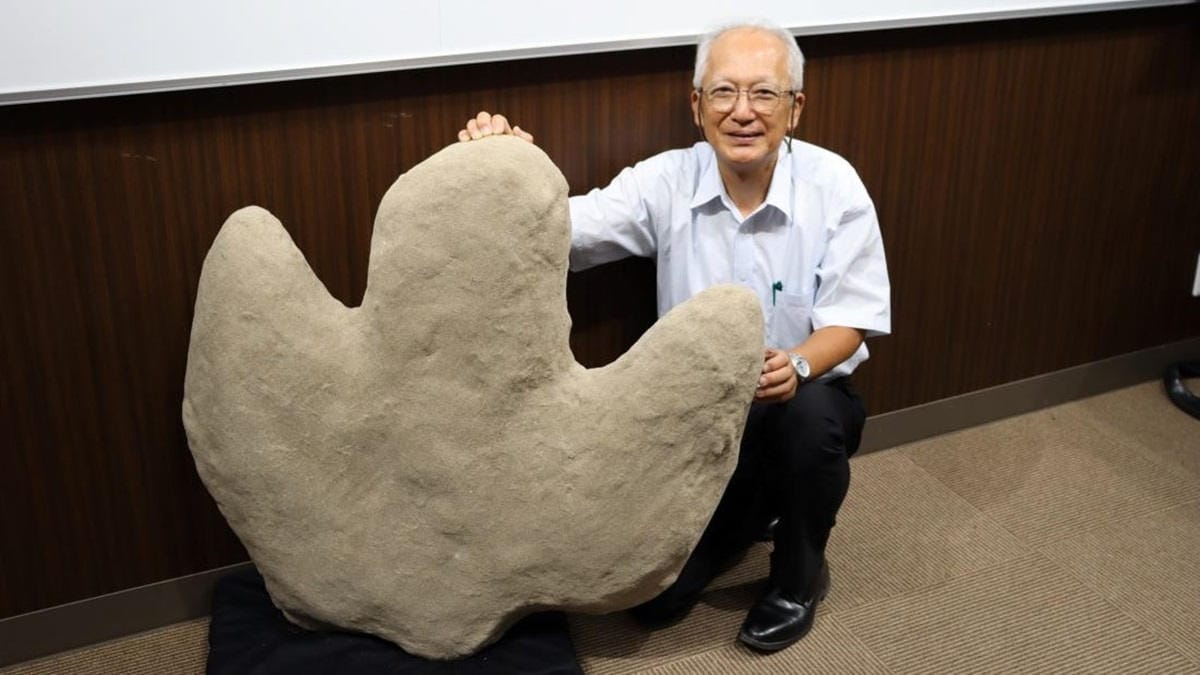
Footprints measuring 92cm in width found in Mongolia have raised the prospect of an as yet undiscovered skeleton of the largest bipedal dinosaur ever.
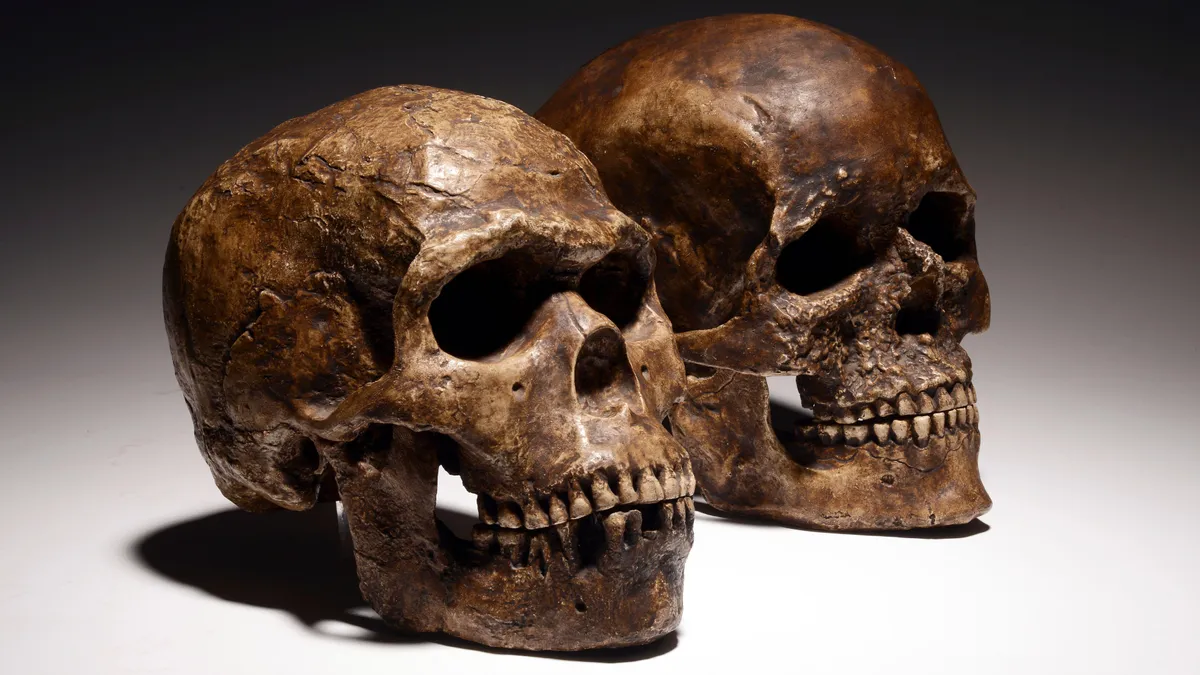
When modern humans journeyed out of Africa, a rapid evolution in their red blood cells may have helped them survive — but it may have also led to the eventual disappearance of Neanderthals, a new study finds.
War God: Night of Sorrows
Get your copy of War God: Vol III


Magicians of the Gods
Get your copy of Magicians of the Gods: