Ancient news stories

The exact origin of bread wheat (Triticum aestivum) is still a mystery, but researchers believe they are edging closer to the source of one of the most important food staples worldwide. Using genetic studies and ancient plant remains, an international team of scientists has narrowed the location and timeline to the Neolithic period(around 8,000 years ago) in Georgia, in the South Caucasus. They present their findings in a paper published in the journal Proceedings of the National Academy of Sciences.

Some fungi can produce proteins that freeze water, which may allow them to reach into the atmosphere and trigger rain. Now, scientists have discovered the secret to this process: a gene from ancient bacteria. The new study was published March 11 in the journal Science Advances.
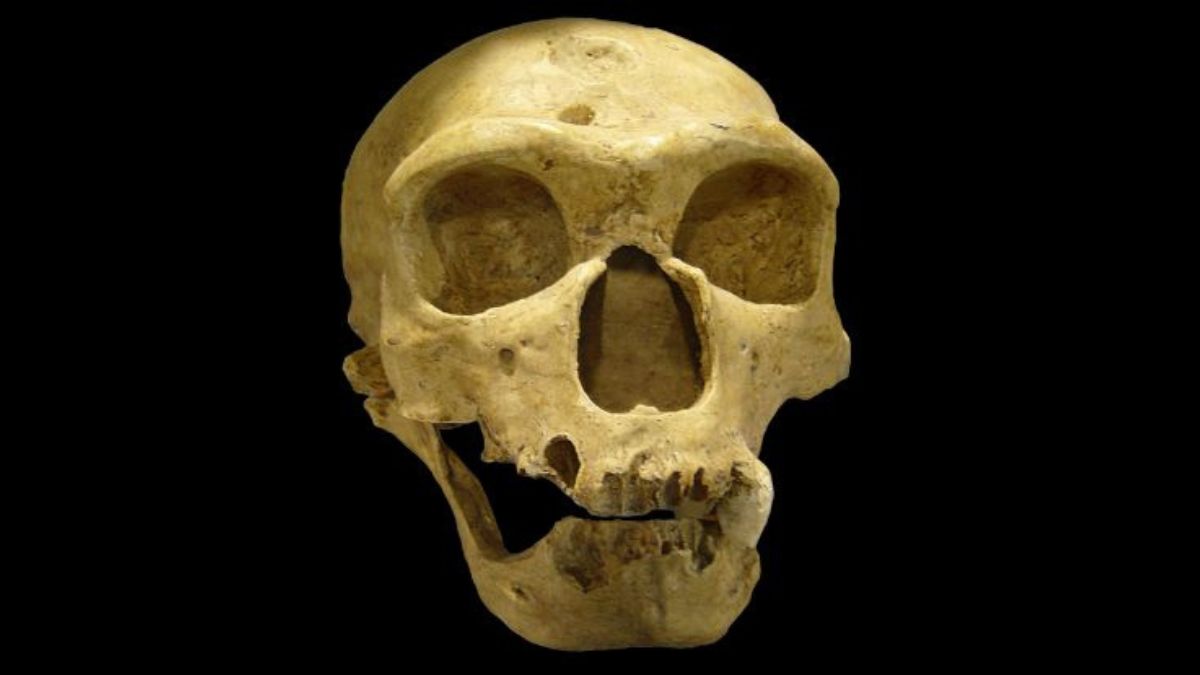
In 1857, the German anatomist Hermann Schaaffhausen analysed a human fossil with “an extraordinary form”… The remains were to become known as the world’s first Neanderthal, and from the very start, Schaaffhausen decided the skull was at a “low stage of development”.For more than a century, that stigma has stuck around. Even today, a commonly accepted hypothesis is that humans outsurvived Neanderthals because of our better brains. An international team of anthropologists has now found evidence to the contrary. The study was published in PNAS.

Paving roads in the Amazon rainforest has long brought deforestation that threatens the people who live there. The same roadwork, however, has also allowed archaeologists to get glimpses of the region’s past long before Europeans arrived to reshape it.

New genetic results reveal a previously unknown wave of people settled in South America 1,300 years ago, and that Indigenous Americans carry remnants of a “ghost lineage.” The study was published Wednesday (April 22) in the journal Nature.

Nasa’s Curiosity rover has detected organic molecules on Mars, including chemicals widely considered building blocks for the origin of life on Earth.

This snapshot is just a small part of one of the most comprehensive and spectacular views yet of the universe — a web-like structure formed by millions of galaxies, stretching back to near the dawn of time.

Members of the Atapuerca Research Team from the Institut Català de Paleoecologia Humana i Evolució Social (IPHES), the Centro Nacional de Investigación sobre la Evolución Humana (CENIEH), the University of Burgos, and the Center Européen de Recherche et d’Enseignement des Géosciences de l’Environnement (CEREGE) are involved in a study published in Quaternary Science Reviews reporting the earliest known evidence of the classic Acheulean in the Iberian Peninsula.

An international study published in Current Biology presents the results of the analysis of ancient mitochondrial DNA obtained from eight Neanderthal teeth discovered in Stajnia Cave, Poland. For the first time, the research reconstructs the genetic profile of a small group of Neanderthals from the same site, north of the Carpathians, who lived during the same ancient chronological phase.

The recent discovery of 12,000-year-old dice, published in American Antiquity, sheds new light on the playfulness of human societies in the deep past…The recognition of these artifacts as dice pushes back the material evidence for human play by thousands of years, which Madden interprets as evidence of games of chance and gambling. He believes that his study shows that Native Americans were gambling with dice 6,000 years earlier than anyone else.
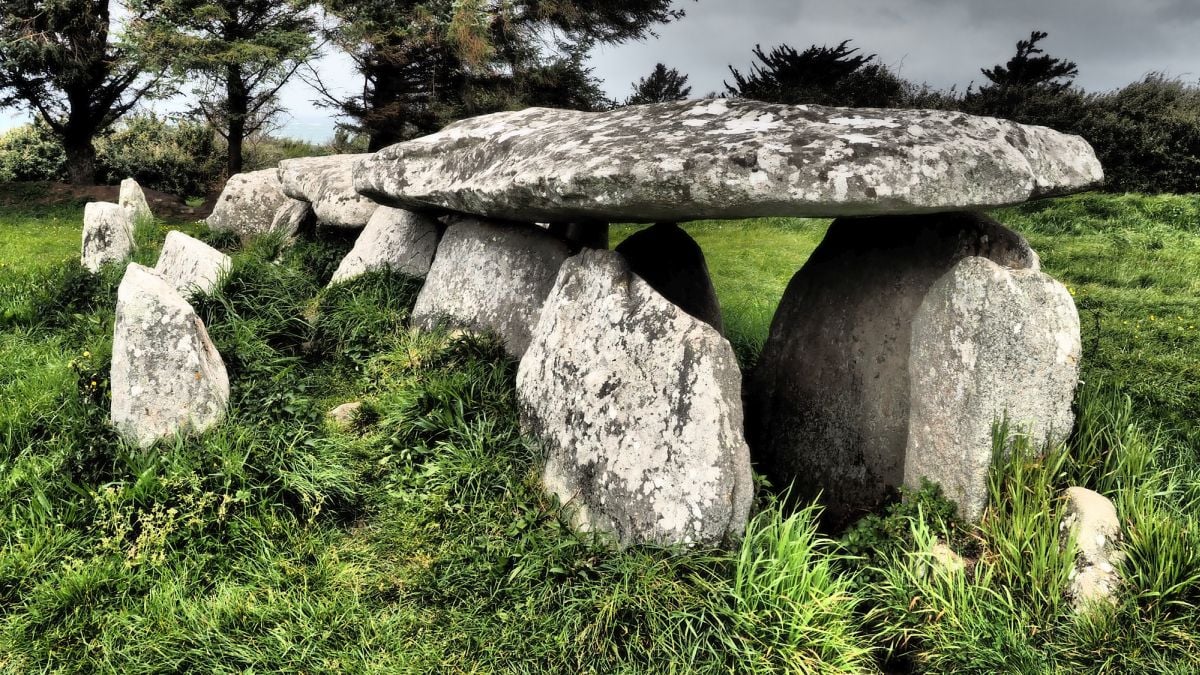
The growth of the human population has not always been a smooth ride, but has been punctuated by some strange fluctuations. At multiple points in our history, populations have dramatically imploded. One such period occurred during the Neolithic, around 5,000 years ago, when communities collapsed across parts of Europe. The research has been published in Nature Ecology & Evolution.
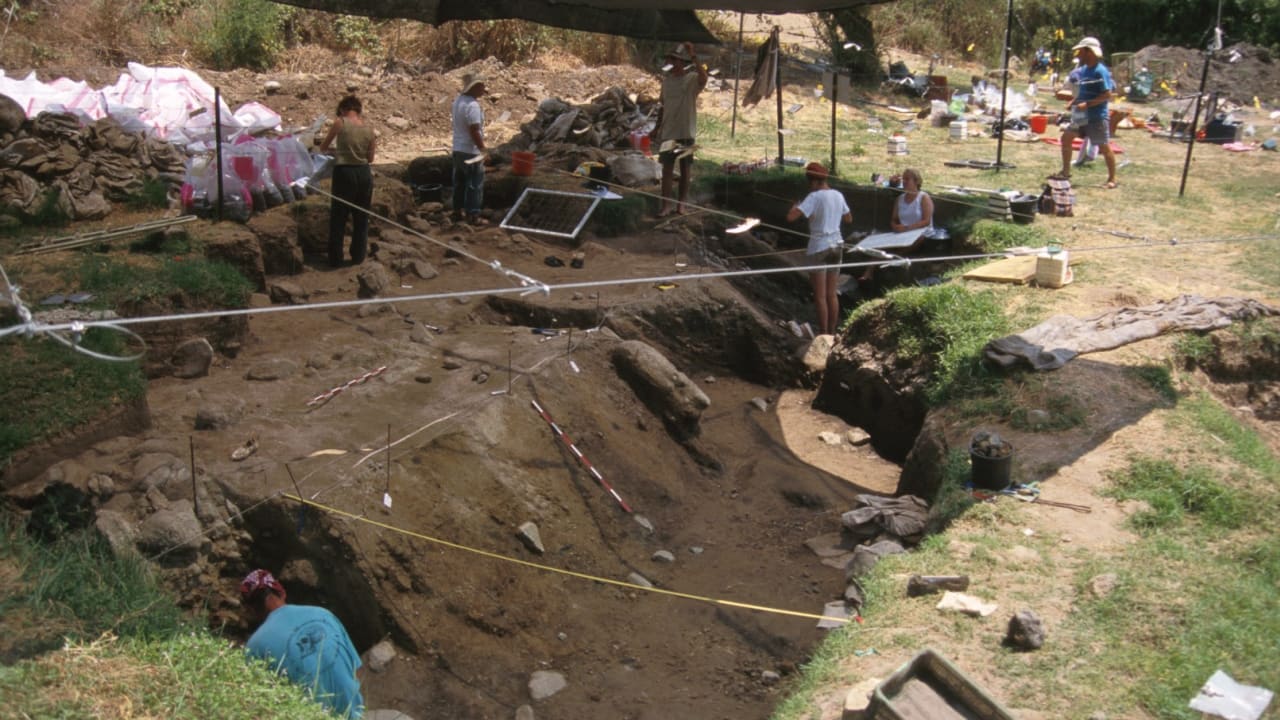
Nearly 780,000-year-old charcoal fragments found at the Gesher Bnot Ya’akov archaeological site in northern Israel show that early humans had a higher level of intelligence than previously thought, according to a new study published in Quaternary Science Reviews.

Archaeologists working at the ancient settlement of Stăuceni-“Holm” in northeastern Romania have uncovered a mega-structure measuring 350 square meters dating back about 6,000 years. Their paper was published in PLOS One.
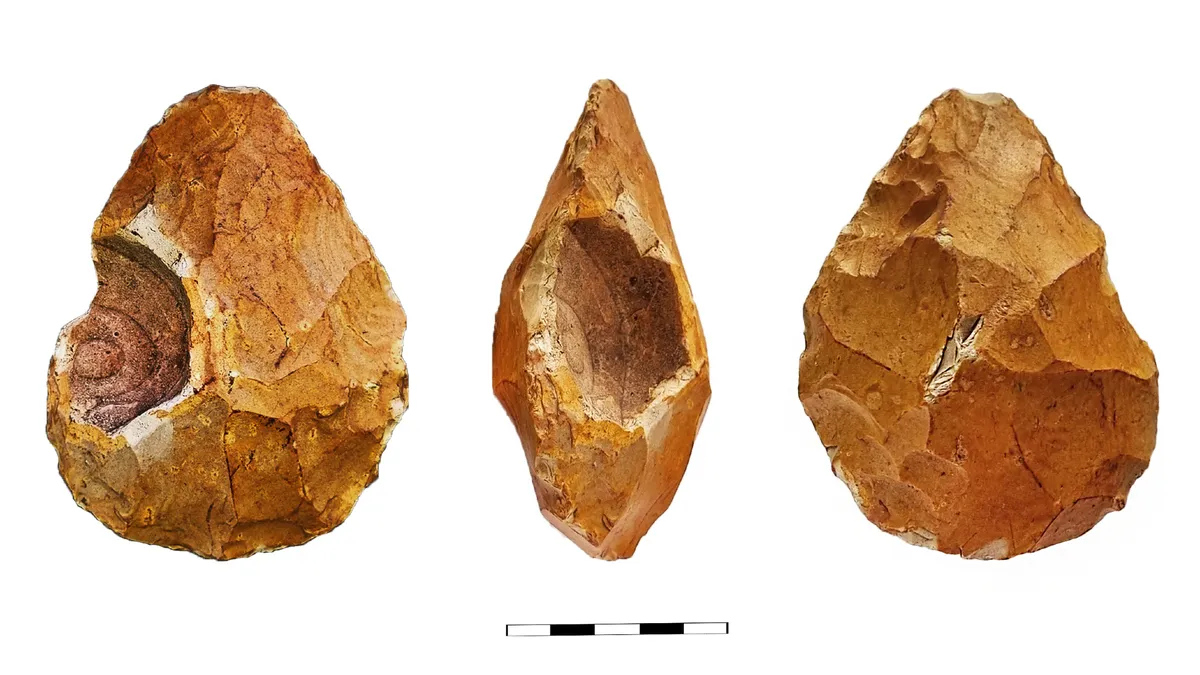
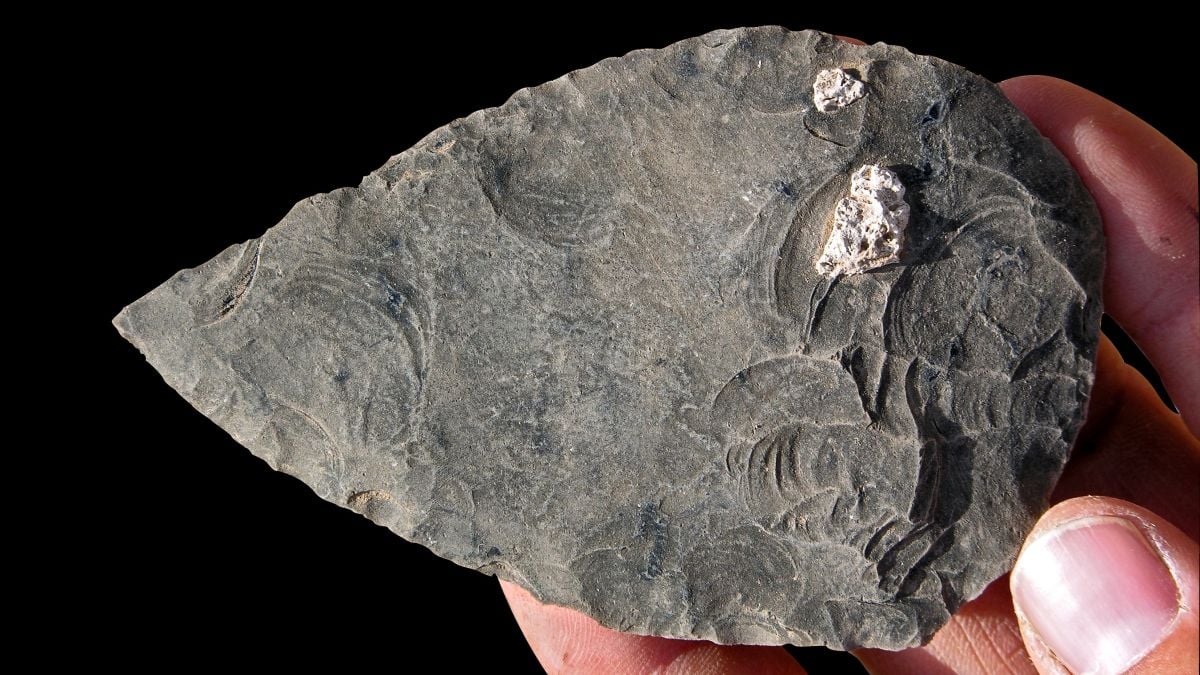
Homo erectus may have deliberately selected rocks embedded with fossils and crystals to craft their hand axes — possibly to serve as mediators between humans and the cosmos. The discovery was reported on March 17 in the journal Tel Aviv.
A monumental archaeological excavation in Africa has uncovered the lives of the humans who lived there 100,000 years ago. The findings have been published in the Proceedings of the National Academy of Sciences.

Scientists found echoes of human presence dating back to around 14,500 years ago, including footprints, wooden tools, foundations for a building and the remains of an ancient fire pit. They dated sediments and artifacts from the site to this time frame. A new study challenges the age of this important site, suggesting Monte Verde might be much younger than scientists thought. But not everyone agrees with the findings.
War God: Night of Sorrows
Get your copy of War God: Vol III


Magicians of the Gods
Get your copy of Magicians of the Gods: