
Ancient news stories

Discovery at Monte Verde puts north-to-south expansion theory back at centre of heated debate on continent’s human history. The research was published on Thursday, 19th March, in the journal Science.

In a study published in Archaeological Research in Asia, Dr. Haichao Li and a team of researchers analyzed the earliest Bronze Age meteoritic iron artifact from southwestern China, the largest found to date in the country. Recovered from the famous Sanxingdui site, it provides crucial insights into the region’s metallurgical practices and fills a critical gap in the area’s metallurgical record.
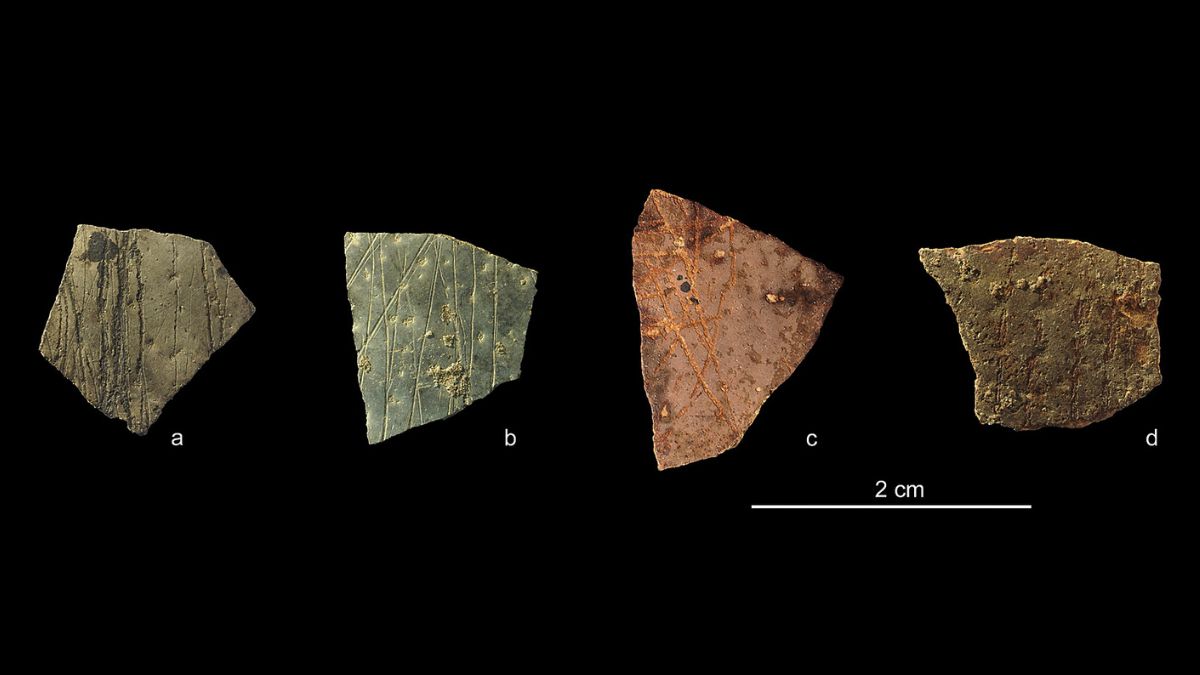
Ancient humans were surprisingly creative, structured, and geometrical in their thinking some 60,000 years ago, according to some intricately engraved ostrich eggshells found across southern Africa. This research was published in PLOS One.
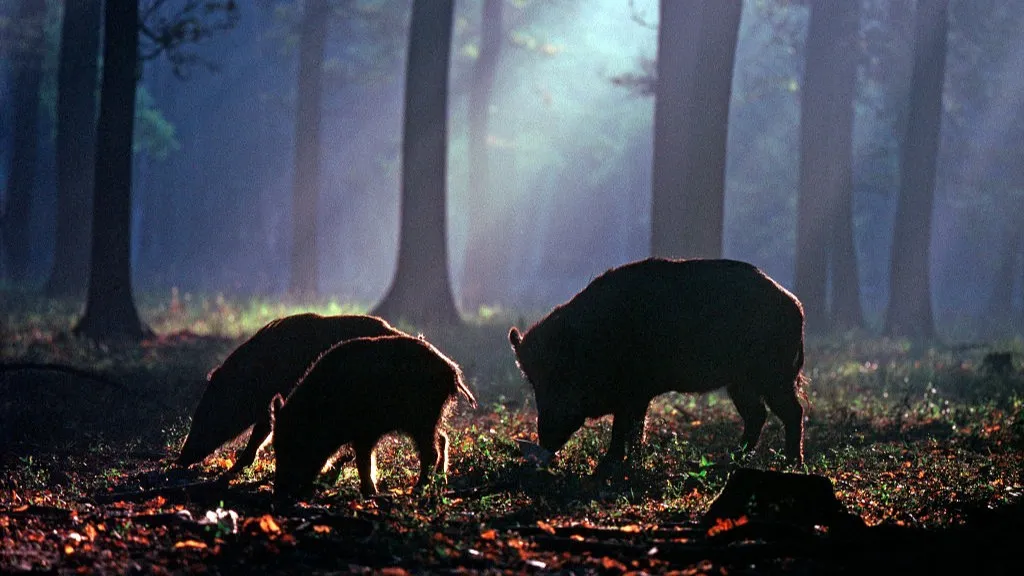
A landmass that once connected Britain to mainland Europe had temperate forests that could have sustained Stone Age people for millennia before the landmass was flooded, a new study suggests. The results were published on March 10 in the journal PNAS.

According to an article published in Antiquity by Dr. Svitlana Ivanova and her colleagues, the Yamna culture’s repurposing of older ritual spaces reflects a deliberate appropriation and continuation of sacred spaces

Neanderthals probably used birch tar for multiple functions, including treating their wounds, according to a study published in the open-access journal PLOS One by a team of researchers led by Tjaark Siemssen of the University of Cologne, Germany, and the University of Oxford, U.K.

An international team of archaeologists…has uncovered the earliest known clay ornaments in Southwest Asia, revealing a forgotten chapter in the story of how humans began to express identity, belonging, and meaning through material culture. The findings, published this week in Science Advances, push back the symbolic use of clay in the region by thousands of years.

A joint Egyptian-German archaeological mission between the Supreme Council of Antiquities and the University of Tübengen has uncovered an astonishing 13,000 new ostraca at Atreps(ancient Athribis) in Sohag, Egypt. This brings the total recovered since 2005 to around 43,000, making Atreps the site with the largest known collection of ostraca in the world.

A new genetic study published in the journal Cell is filling in some important details about the earliest inhabitants of Palau, an island nation in the western Pacific Ocean consisting of approximately 340 islands.
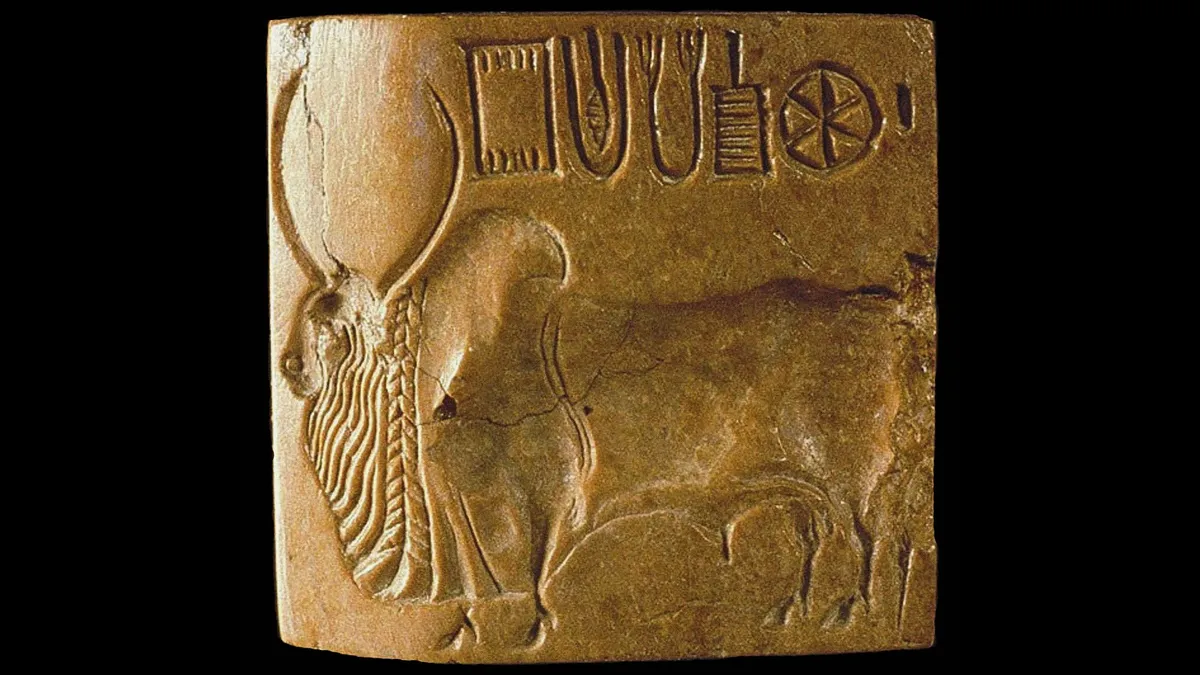
Around 4,000 years ago, one of the world’s oldest civilizations emerged: The Indus Valley Civilization, flourishing in what is now Pakistan, western India, eastern Iran and parts of Afghanistan. In addition to building sizable cities, its people created a written script that consists of hundreds of signs that remain undeciphered…Could recent advances in artificial intelligence (AI) help with decipherment?

A new study may have solved a long-standing mystery about the Moon’s magnetism: Why do lunar rocks brought back by the Apollo missions show evidence of an intense magnetic field sometimes rivaling or exceeding that of Earth today? The research has been published in Nature Geoscience.

A new study published in Scientific Reports suggests that the therapeutic effects of psychedelic mushrooms likely rely on a complex interplay of multiple chemical compounds rather than just a single active ingredient.
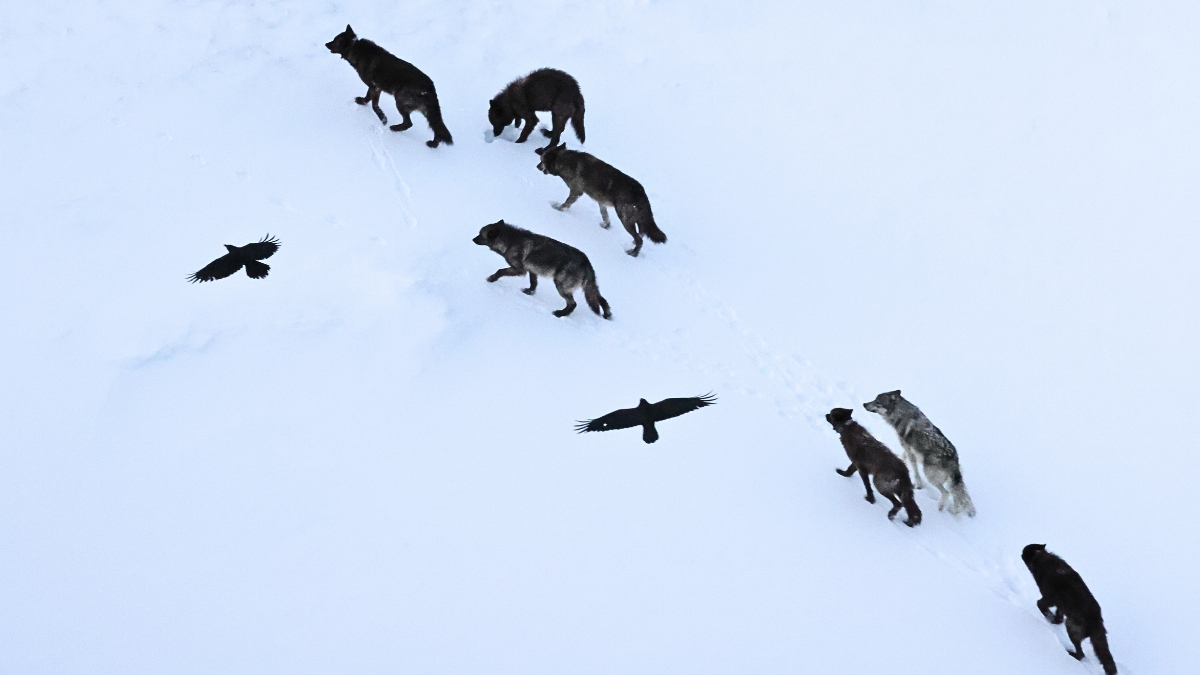
The partnership between ravens and wolves goes back to Norse mythology – Odin’s birds scouted ahead and led prey to the god’s canines, a relationship that provided food for all. The myth has some roots in reality: when wolves have a successful hunt, ravens are often observed first on the scene – and new research published Thursday in the journal Science put the legend to the test.

The comet formed in a cold and distant part of the early Milky Way up to 12 billion years ago, potentially putting it just under 2 billion years the age of the universe.

In a study published in the journal Iran, researcher Gad Barnea has uncovered new evidence suggesting that Zoroastrian religious practices were more prevalent and left a deeper imprint on surrounding communities than previously recognized.
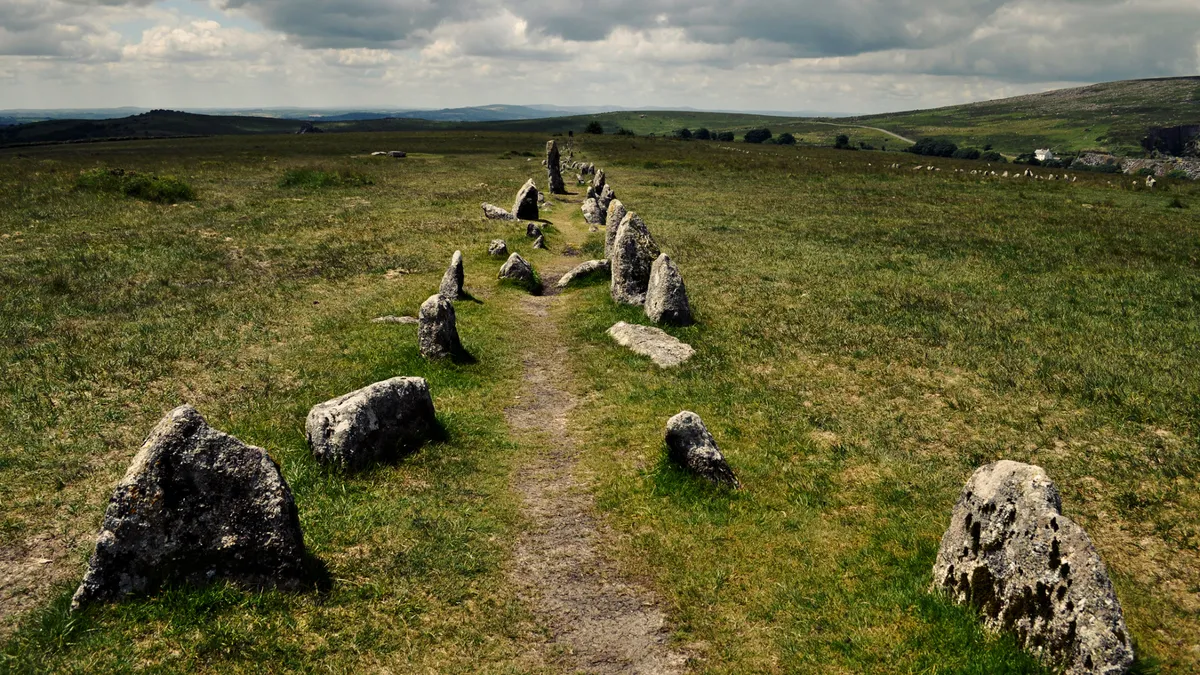
Two researchers discuss how ancient DNA is used to track how people moved and lived during Britain’s Bronze Age. The new paper, produced with colleagues from the U.S. and across Europe, has highlighted some of the more complex interactions between ancient populations that took place in north-west Europe.
War God: Night of Sorrows
Get your copy of War God: Vol III

Magicians of the Gods
Get your copy of Magicians of the Gods: