
Ancient news stories
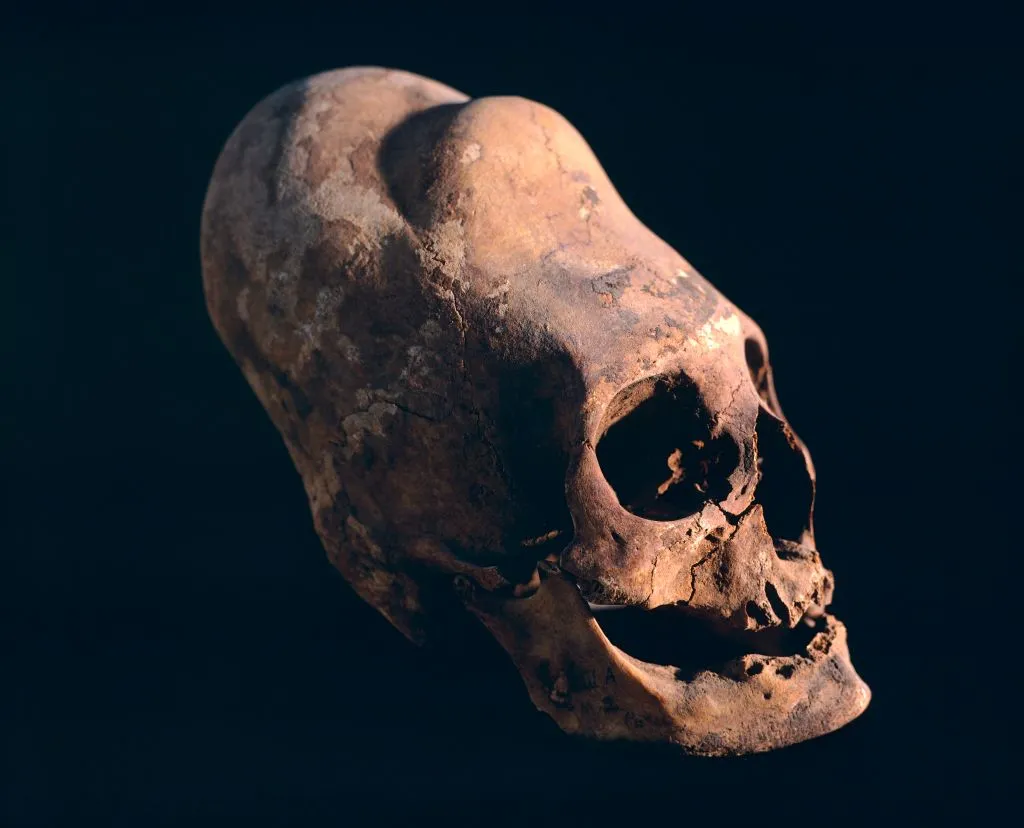
When the Spanish first reached the Andes, they found something surprising: Many of the locals had long, pointy heads. They discovered that the Collagua, an indigenous group in Peru that was conquered by the Inca, had a practice of shaping the head starting in infancy, before the skull bones fused and soft spots disappeared.
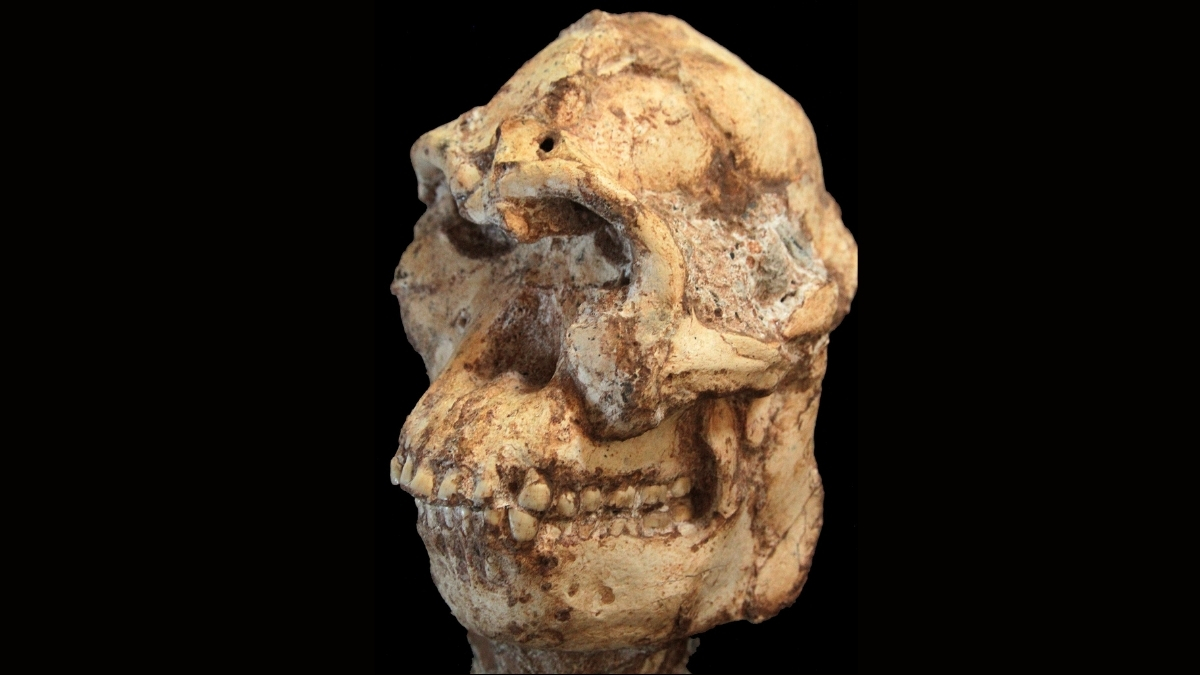
A new study, led by paleoanthropologist Amélie Beaudet at the Université de Poitiers in France, has now digitally pieced together Little Foot’s face for the first time. The research was published in the journal Comptes Rendus Palevol.

Thousands of years ago, European communities used a variety of plant and animal products to create elaborate meals, according to a study published in the open-access journal PLOS One by Lara González Carretero of the University of York, U.K. and colleagues.
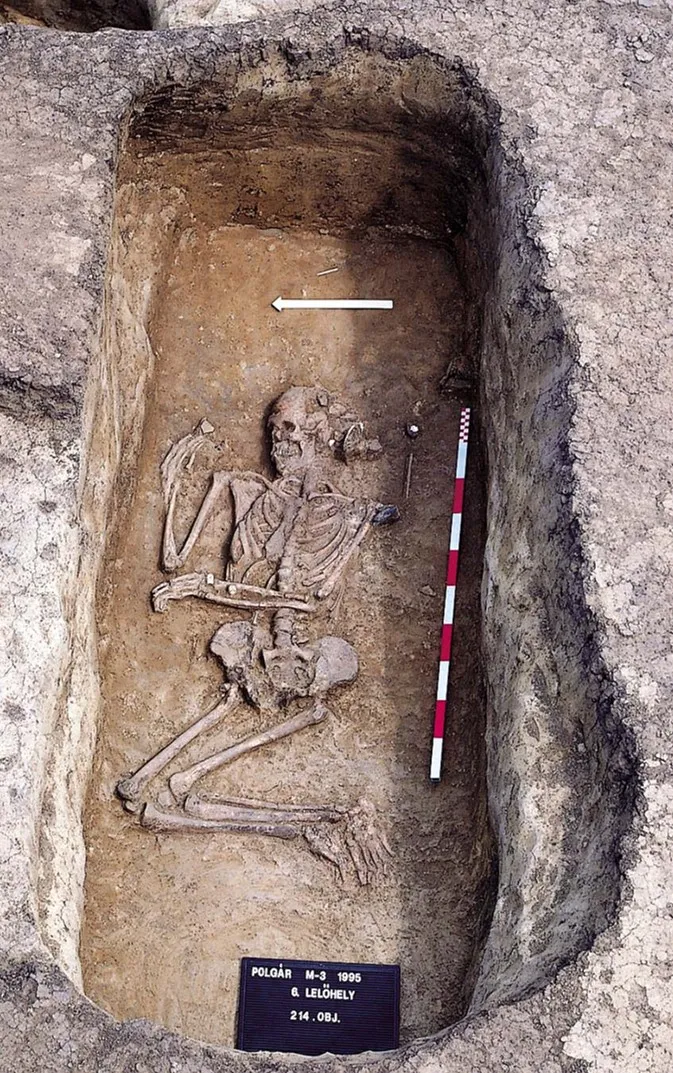
A Stone Age woman buried with male-associated artifacts in what is now Hungary is revealing that her society embraced complex identities and flexible gender roles 7,000 years ago, a new study finds. In the study was published Feb. 16 in the American Journal of Biological Anthropology.

Unretouched triangular microlithic projectile points have been identified from their impact traces in the oldest occupation layers of the Obi-Rakhmat site in Uzbekistan, dating to 80,000 years ago…This new study, published in PLOS One journal, provides a strong argument that could rewrite history on Homo sapiens’ first settlement in Europe.

A new paper published in Nature (11th Feb) has highlighted some of the more complex interactions between ancient populations that took place in north-west Europe. The research untangles the origins of prehistoric populations across Belgium and the Netherlands, as well as identifying the source population for a migration into Britain during the late Neolithic that seems to have led to a 90% replacement of Britain’s Neolithic farmers.
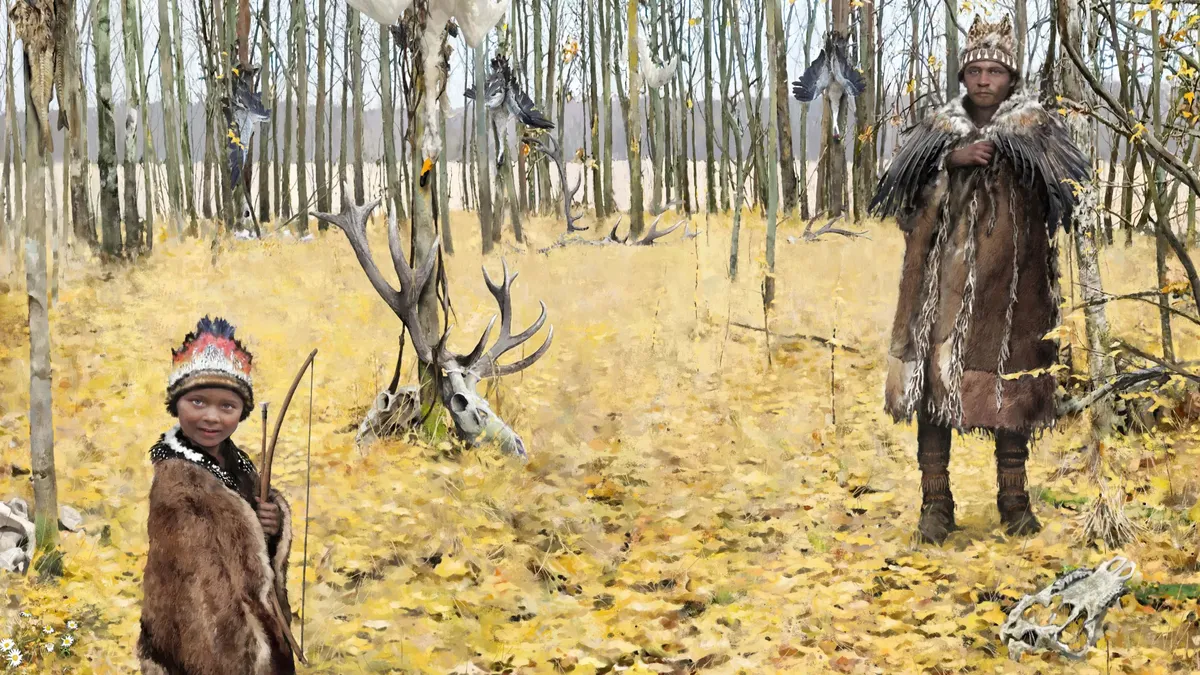
A new method of studying the contents of soil samples has revealed Stone Age people in Sweden were buried in decorated fur-and-feather clothing. In the study, published Feb. 20 in the journal Archaeological and Anthropological Sciences, Kirkinen and colleagues detailed the evidence of perishable materials that they found in 35 burials at Skateholm…

Could a Moroccan cave hold a crucial piece of the puzzle of human origins? Hominin fossils dating back 773,000 years discovered in the country are bringing new evidence to the debate about the last common ancestor of present-day humans (Homo sapiens), Neanderthals and Denisovans. A recent study published in Nature explains the significance of the discovery.
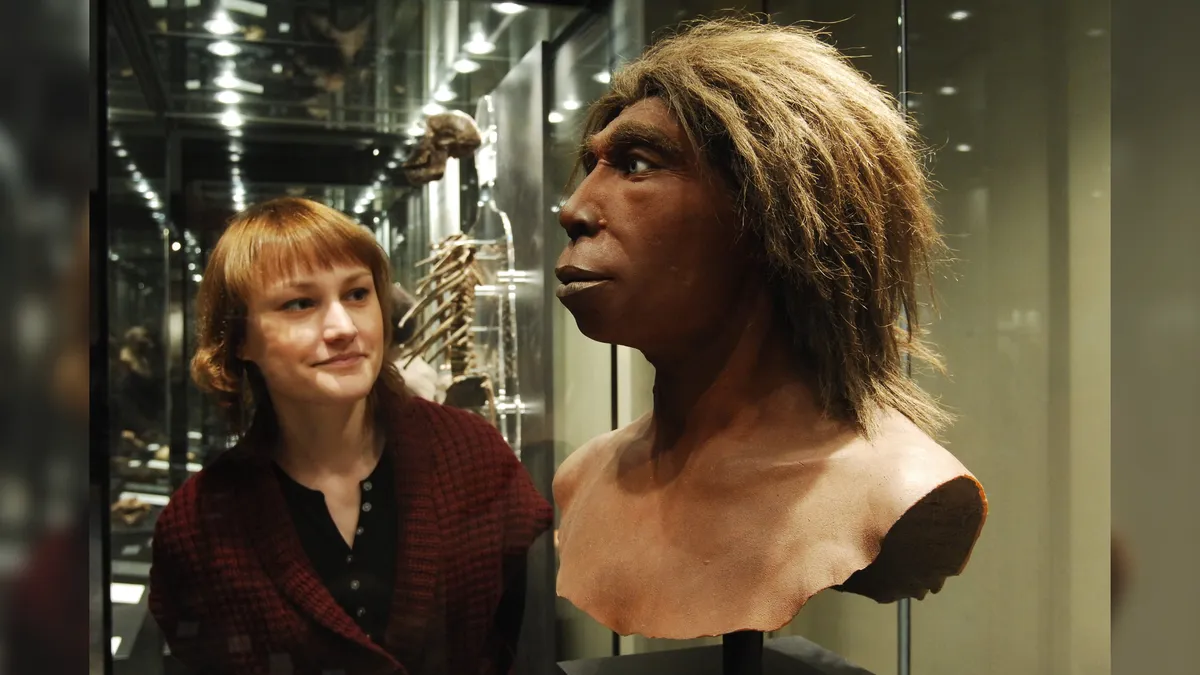
A preference for pairings between male Neanderthals and female Homo sapiens may answer the question of why there are “Neanderthal deserts” in human chromosomes. The study was published Thursday (Feb. 26) in the journal Science.

For years, scientists thought Ötzi the Iceman’s maternal line had vanished. New genetic findings reveal it still survives today.

Over 40,000 years ago, our early ancestors were already carving signs into tools and sculptures. According to a new analysis…these sign sequences have the same level of complexity and information density as the earliest proto-cuneiform script, which emerged tens of thousands of years later, around 3,000 B.C.E. Their findings, which have been published in the journal PNAS, were clear—and surprised even the researchers.

In the journal Antiquity, Dr. Shokouh Khosravi published preliminary findings of the largest known corpus of prehistoric seal impressions in the entire ancient world. The corpus, made up of over 7,000 seal impressions, more than 200 clay figurines, clay tokens, and two cylinder seals, dates back to 5,000 years ago…
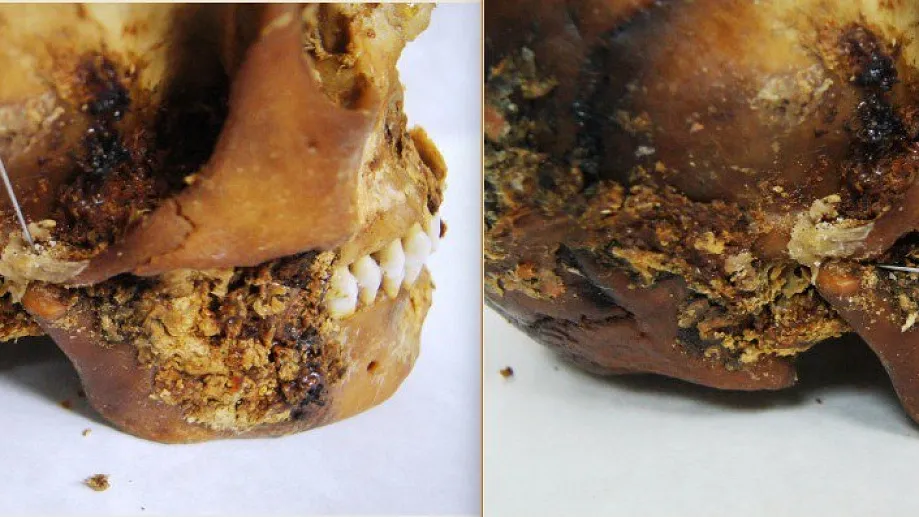
“It is possible that we have discovered evidence of such a surgical procedure for the first time,” Dr. Andrey Letyagin, a radiologist at the Siberian Branch of the Russian Academy of Sciences, said in a translated statement, since “we had not previously encountered [it] in the scientific literature.”
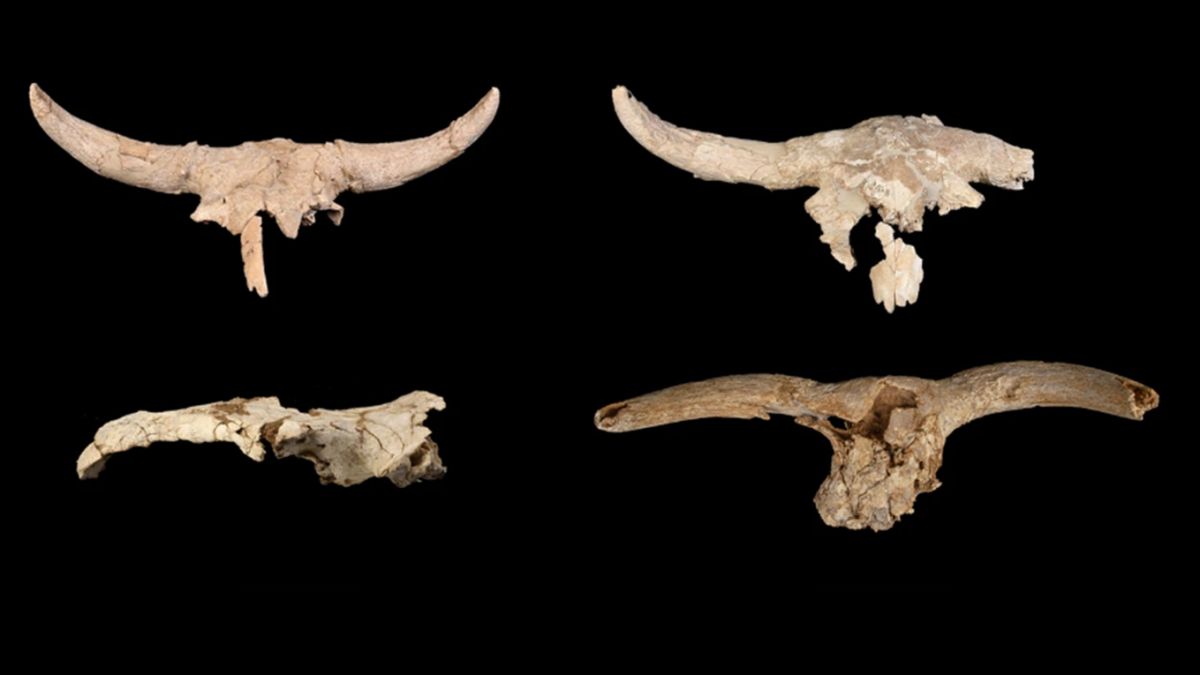
A new investigation of ancient horned animal skulls found in Spain’s Des-Cubierta Cave deepens the mystery of when and why Neanderthals put them there. The findings have been published in Archaeological and Anthropological Sciences.
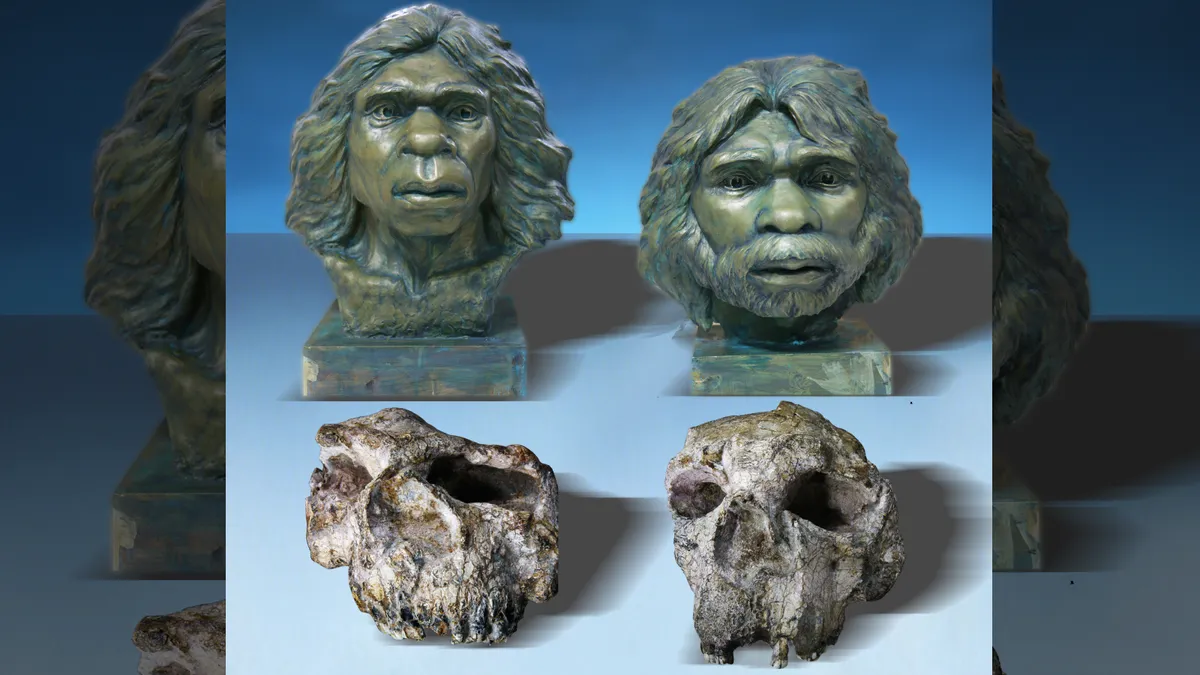
Three Homo erectus skulls previously unearthed in China are almost 1.8 million years old, around 600,000 years older than originally thought, a new study finds. The research was published Wednesday (Feb. 18) in the journal Science Advances.

Far from the common assumption of a strictly binary division of labor, the roles of women and men in Neolithic Europe were both clearly differentiated and flexible, according to a new study conducted by CNRS researchers and an international team. These findings were published in the American Journal of Biological Anthropology on February 16, 2026.
War God: Night of Sorrows
Get your copy of War God: Vol III


Magicians of the Gods
Get your copy of Magicians of the Gods: