
Ancient news stories

Roughly 5,500–6,000 years ago, the area including present-day Finland was inhabited by hunter-fisher-gatherers living in small village-like clusters…They also colored their dead and objects, before burial, with the same pigment. The fiery red color was undoubtedly meaningful in itself, but other meanings were also associated with the pigment’s ritual use. A study on this topic is published in the Journal of Archaeological Science: Reports.
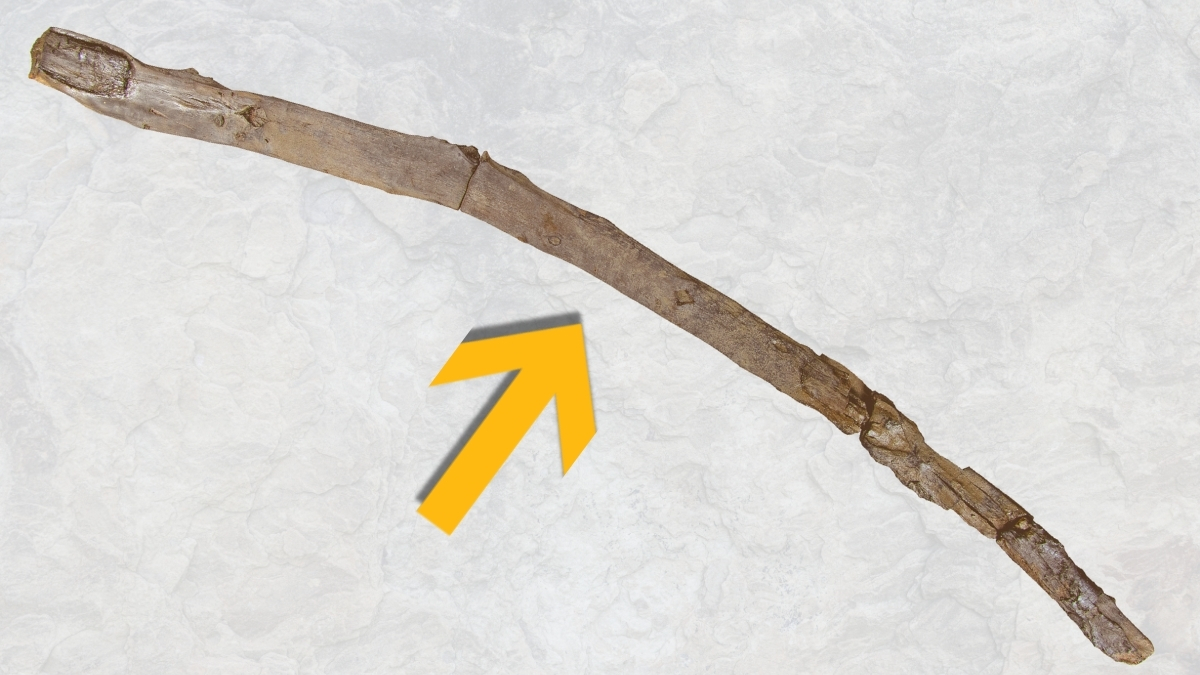
Two artefacts found at a lake shore in Greece are the oldest wooden tools to be uncovered so far and date back 430,000 years. The research was published on Monday in the journal Proceedings of the National Academy of Sciences.
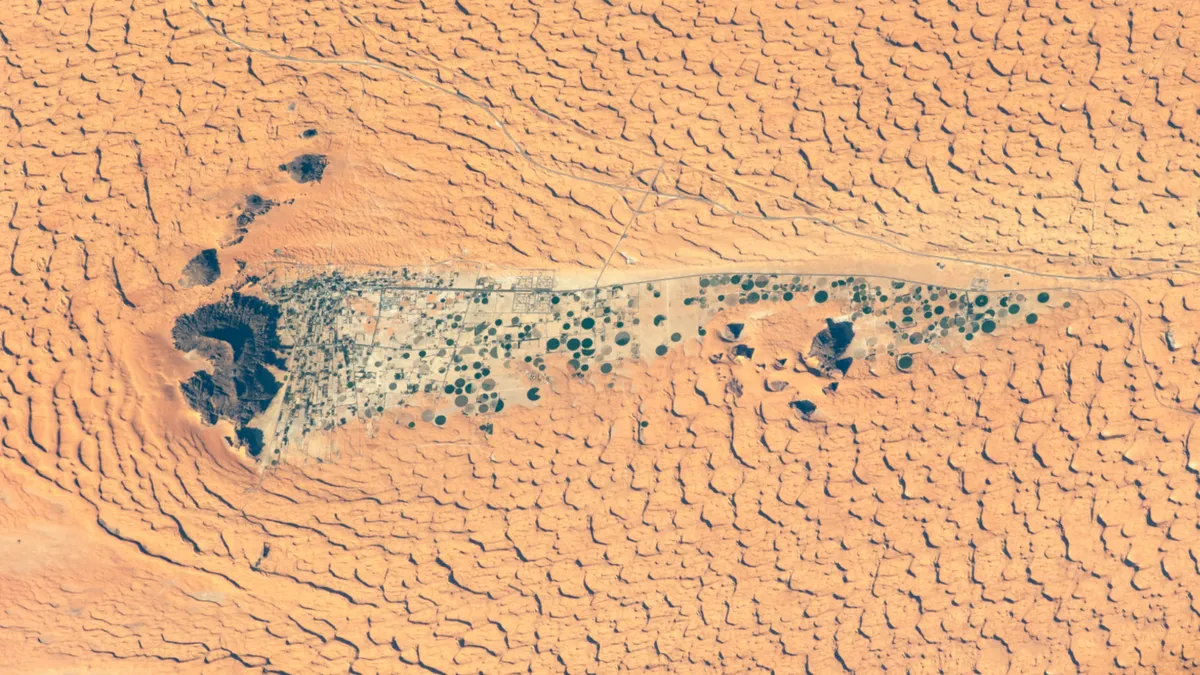
This intriguing astronaut photo shows an oasis town and crop circles lurking within the shadowy tail of a “camel-hump” mountain in the harsh Saudi Arabian desert. The unlikely settlement lies within an ancient lake bed and is home to rock art dating back thousands of years.

A new study refines radiocarbon dating of marine remains and significantly improves the precision with which the human past of the Magdalenian period in the Cantabrian region of Spain can be reconstructed, a key phase of European prehistory dating to around 18,000 years ago

In a study published in Telestes, Dr. Joshua Kumbani and Dr. Margarita Díaz-Andreu categorized the various dance scenes depicted in South African rock art…
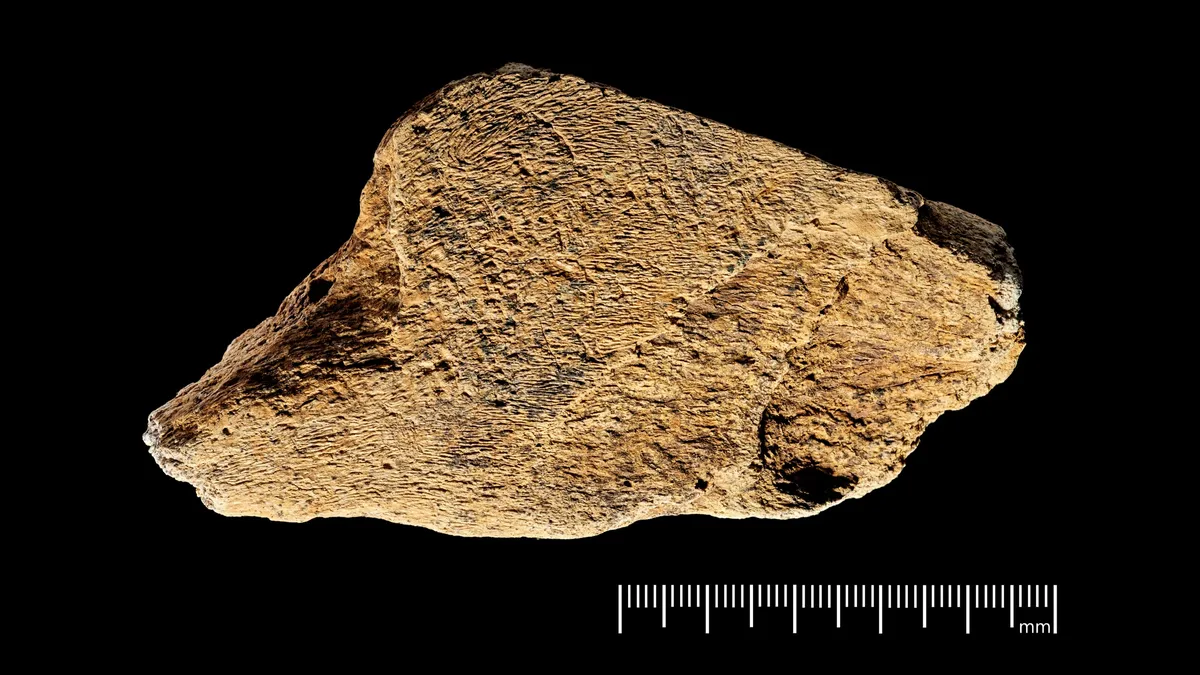

Researchers from several European institutions…have demonstrated that the hunter-gatherers who inhabited the interior of the Iberian Peninsula during the Last Glacial Maximum (between approximately 26,000 and 19,000 years ago) were part of large-scale social networks capable of connecting vast territories in western Europe. The study was published in the journal Science Advances.
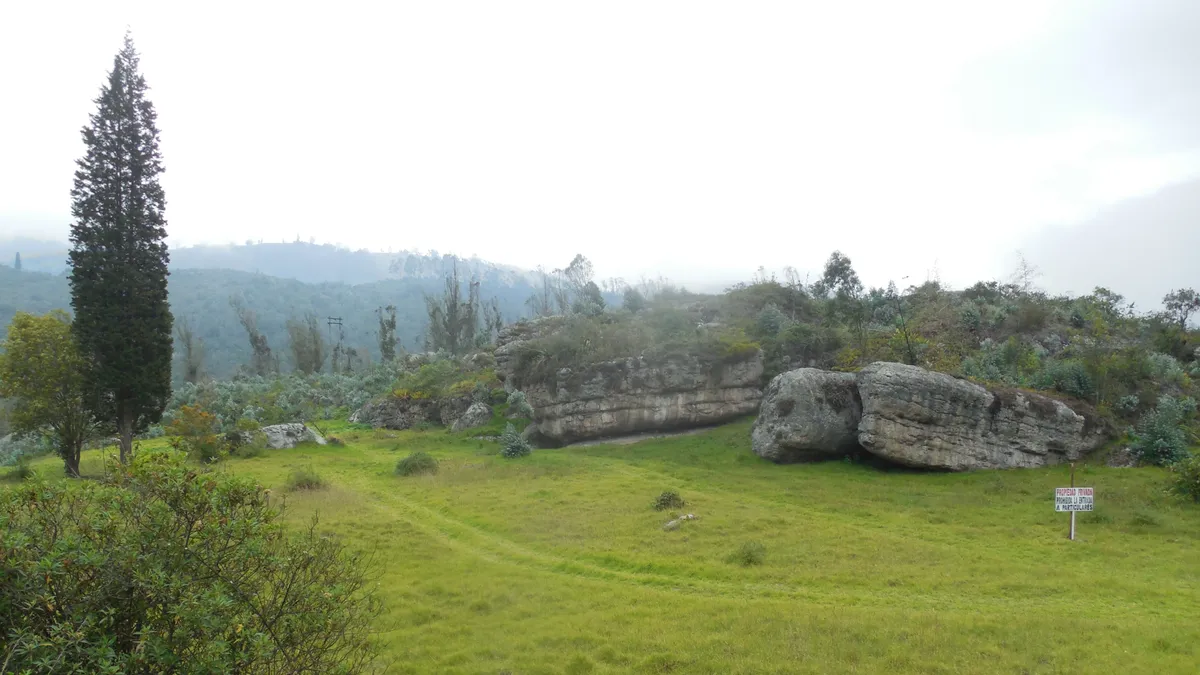
An ancient DNA analysis of a 5,500-year-old human skeleton reveals that an ancestor of the bacterium that causes syphilis was present in the Americas at least 3,000 years earlier than previously thought…In a study published Thursday (Jan. 22) in the journal Science, researchers isolated the oldest T. pallidum genome yet, from the skeleton of a middle-aged hunter-gatherer who was buried in Colombia 5,500 years ago.
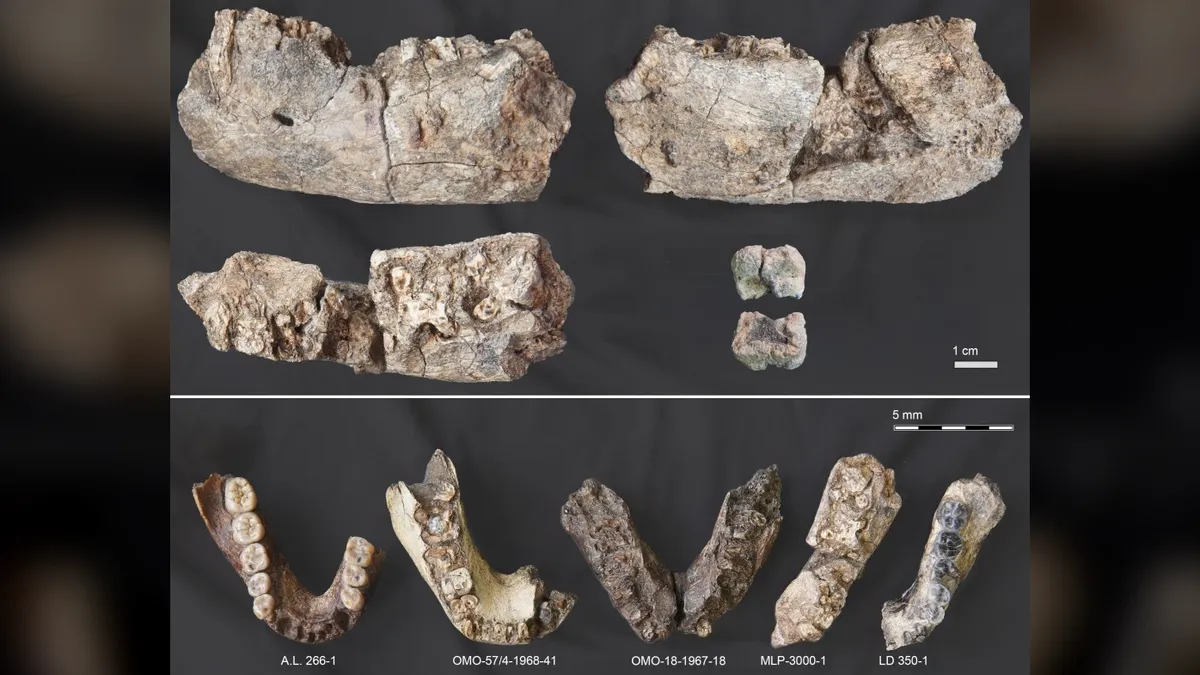
A fossil jaw of a distant human relative was discovered much farther north than previously thought possible, revealing new information about diversity in human evolution. The study was published Wednesday (Jan. 21) in the journal Nature.

When Neanderthals in Italy were crossing the Alps, it’s likely they took refuge in high-altitude bear caves. A new study of stone tools in Caverna Generosa, a cave sitting 1,450 meters up in the mountains, found that these travelers also brought a toolkit with them. The research was published in the Journal of Quaternary Science.
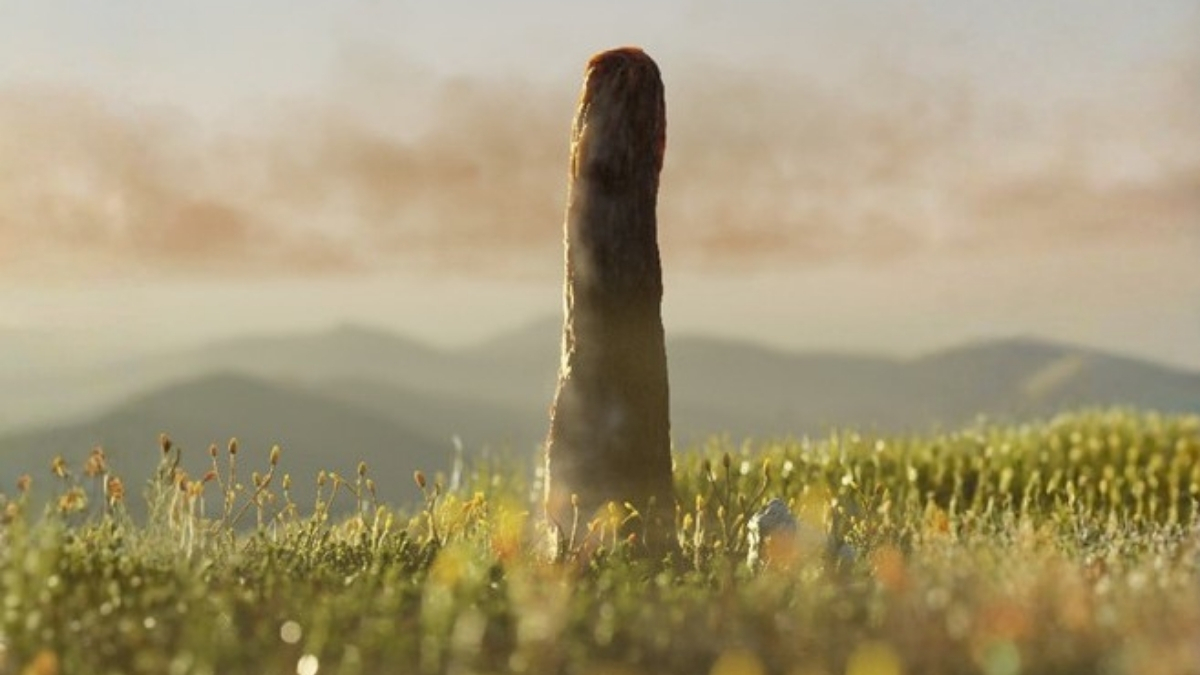
Ever since their discovery more than 165 years ago, massive fossilized structures left by an organism known as Prototaxites have proven impossible to categorize. This research was published in Science.
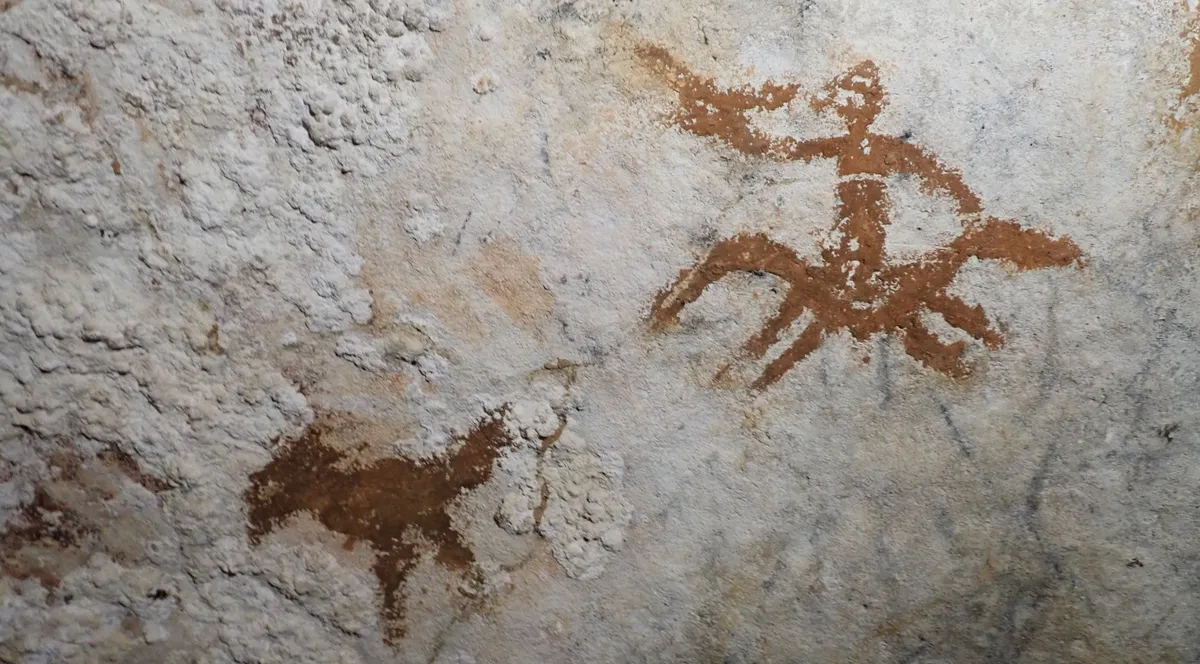
This discovery could fill a major gap in scientists’ understanding of the journey the ancestors of Indigenous Australians took before reaching the continent at least 60,000 years ago. “It is very likely that the people who made these paintings in Sulawesi were part of the broader population that would later spread through the region and ultimately reach Australia”. The study was published Wednesday (Jan. 21) in the journal Nature.

In a study published in the journal Iraq, Dr. Troels Arbøll analyzed medical prescriptions from ancient Mesopotamia to understand and re-evaluate the role sanctuaries played in the healing process.

The return of humans to the British Isles after the end of the last ice sheet, which covered much of the northern hemisphere, happened around 15,200 years ago—nearly 500 years earlier than previous estimates. The work is published in the journal Nature Ecology & Evolution.

Astronomers have gotten a rare glimpse at four baby planets as they’re growing up, and it reveals something surprising: These toddler worlds are getting lighter as they age…The study, published Jan. 7 in the journal Nature, enables astronomers to trace the chaotic processes that sculpt planetary systems over billions of years.

Mars is absolutely dripping with evidence that the red planet was once a striking blue, complete with glistening lakes, snaking rivers, and vast oceans. Now, scientists have calculated the ‘sea level’ during the wettest time known in Martian history. The research was published in the journal npj Space Exploration.
War God: Night of Sorrows
Get your copy of War God: Vol III


Magicians of the Gods
Get your copy of Magicians of the Gods: