Ancient news stories
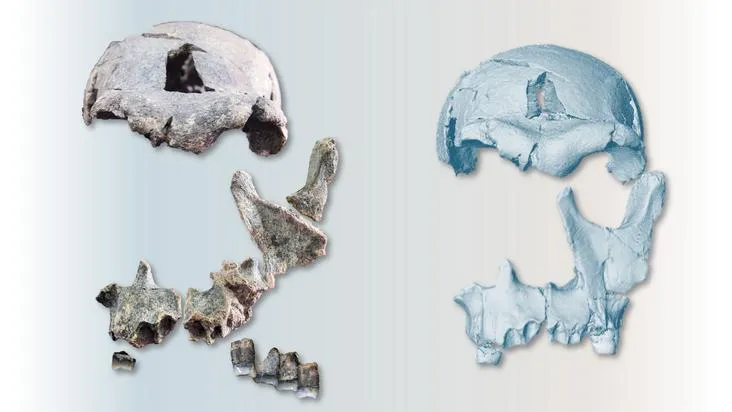
Scientists have reconstructed the head of an ancient human relative from 1.5 million year-old fossilized bones and teeth. But the face staring back is complicating scientists’ understanding of early human evolution and dispersal, according to a new study.
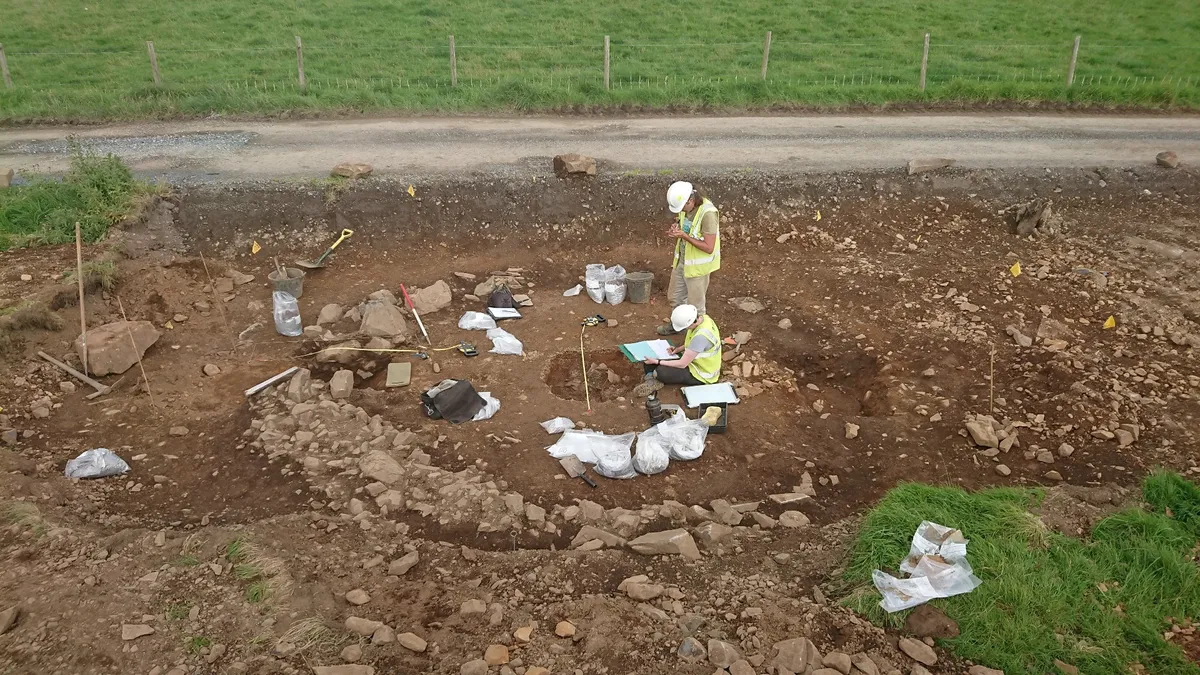
Archaeologists have discovered the 3,300-year-old cremated remains of at least eight people who were buried in five urns in Scotland. While it’s unknown how they died, it was likely during some sort of catastrophic event. The new study was recently published in Archaeology Reports Online.
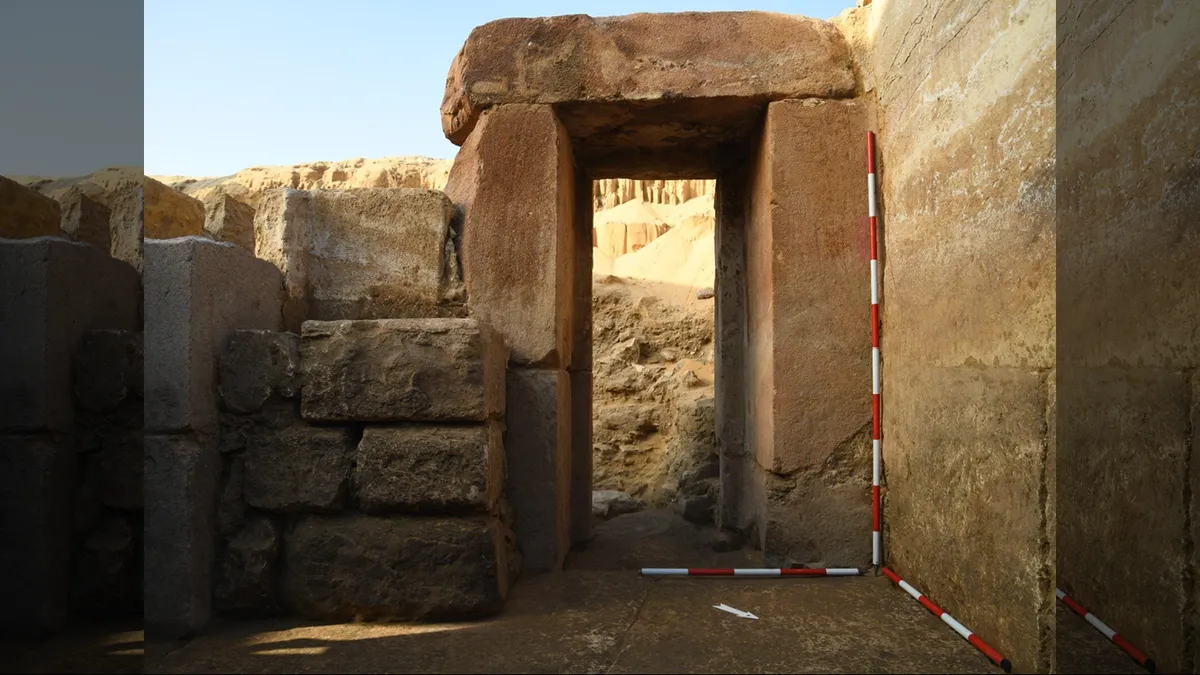
The newly excavated 4,500-year-old valley temple from ancient Egypt holds a “public calendar” and a roof for astronomical observation.

A new study takes a deep dive into the findings of the two test pits in the Pahon Cave, which recovered 1,131 lithic artifacts and 1,045 faunal remains. The new study is published in the journal PLOS One.
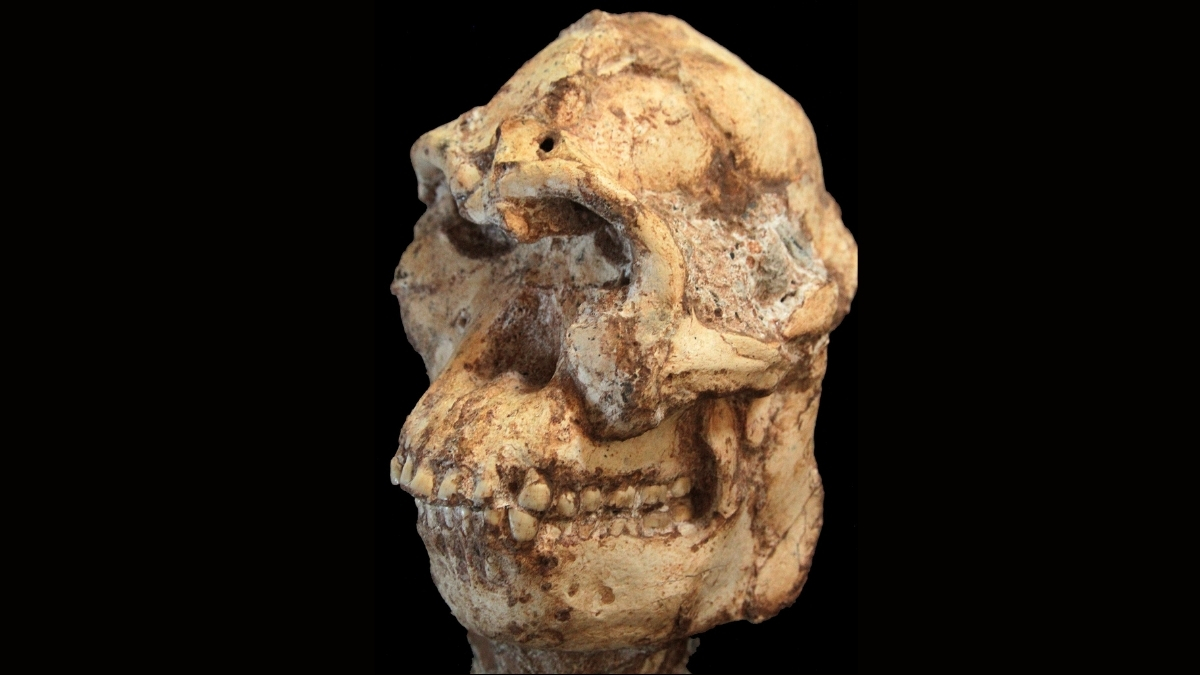
One of the most famous hominin fossils may not be as familiar as we thought. The specimen, affectionately dubbed “Little Foot”, could represent an entirely new species. The research was published in The American Journal of Biological Anthropology.
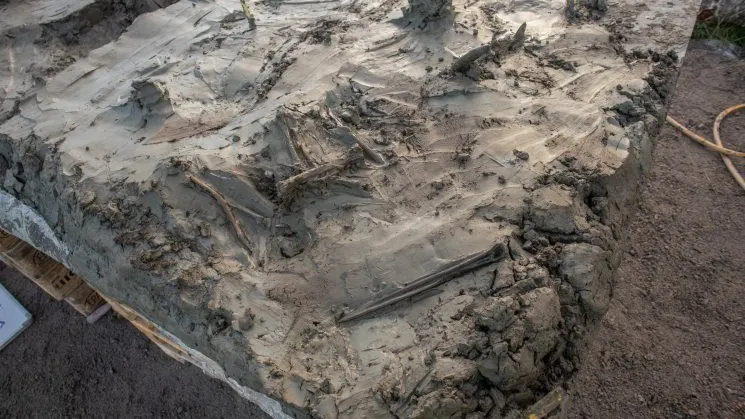
The unique dog burial was identified during construction work for a high-speed railway in the hamlet of Gerstaberg, about 22 miles (35 kilometers) southwest of Stockholm. Experts with the Swedish group Arkeologerna (The Archaeologists) announced the find in a statement and blog post Monday (Dec. 15).

Archaeologist Paula García Medrano, researcher at the Centro Nacional de Investigación sobre la Evolución Humana (CENIEH), has just published in Journal of Paleolithic Archaeology a study on the lithic industry from the Paleolithic site of Terra Amata (Niza, Francia), one of the key locations in western Europe for understanding the evolution of human behavior 400,000 years ago.

Study on skull of Altamura Man could be blow to adaptation theories about Neanderthals and their extinction.

A new discovery of baked sediments, artifacts, and pieces of firelighting pyrite in a UK claypit suggests that humans already had the capacity to create fire more than 400,000 years ago. This researcher was published in Nature.

A group of scientists are studying the Cyclades, an island group in Greece’s Aegean Sea, looking for signs of early human activity. They are using technology such as laser scanning and magnetometry, which may be more effective and non-invasive than traditional archaeological methods. One of these methods is magnetometry—the subject of a recent publication in the Journal of Archaeological Science: Reports.

Bleached clay rocks found on the Martian surface suggest that the Red Planet was once home to heavy rainfall and tropical conditions, new Perseverance observations hint. The study was published Dec. 1 in the journal Communications Earth & Environment.
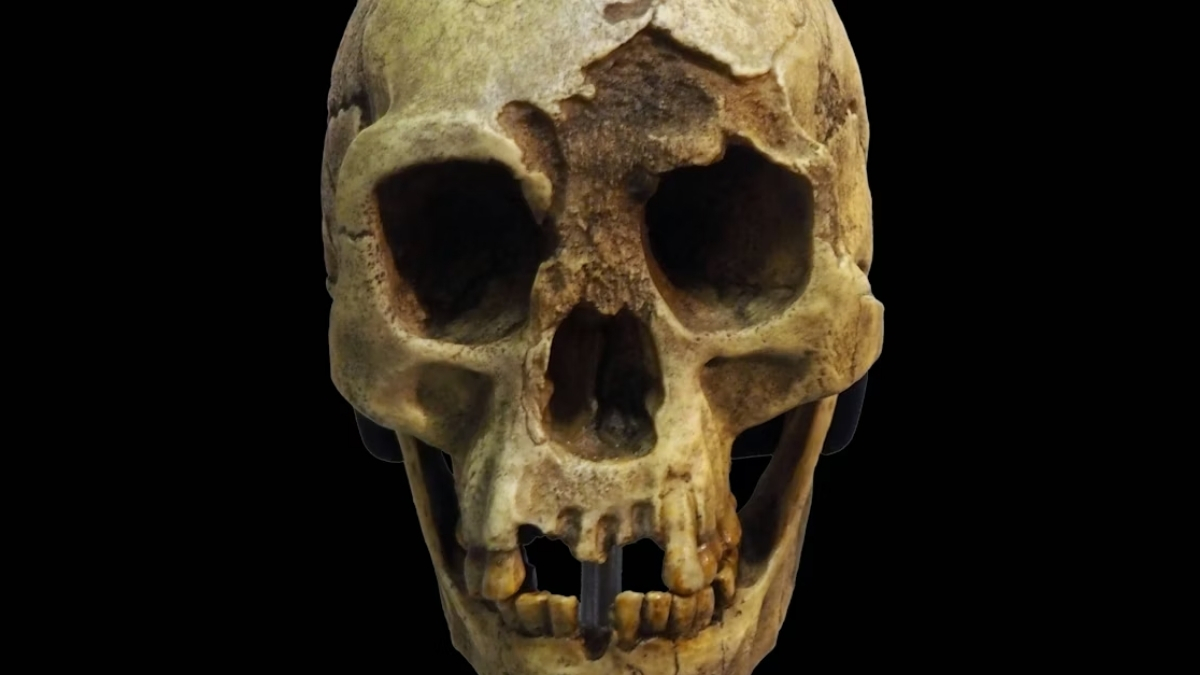
Years ago, humanity lost one of its last surviving hominin cousins, Homo floresiensis (also known as “the hobbit” thanks to its small stature). The cause of its disappearance, after more than a million years living on the isolated volcanic island of Flores, Indonesia, has been a longstanding mystery. Now, new evidence suggests a period of extreme drought starting about 61,000 years ago may have contributed to the hobbits’ disappearance.

Caves can preserve tens of thousands of years of genetic history, providing ideal archives for studying long-term human–ecosystem interactions. The deposits beneath our feet become biological time capsules.

Extinct relatives of modern humans, like Neanderthals and Homo erectus, that lived in the Levant around 120,000 years ago, did not engage in mass hunting but preferred selective and strategic hunting of wild cattle. A recent study was published in Scientific Reports.

Conch-shell trumpets discovered in Neolithic settlements and mines in Catalonia make a tone similar to the French horn, says the lead researcher. Their article was published in the journal Antiquity.

The research examined the pivotal period between 18,000 and 7,500 years ago, spanning the end of the last Ice Age and the transition to the warmth of the modern Holocene era. The study is published in the journal Proceedings of the National Academy of Sciences.
War God: Night of Sorrows
Get your copy of War God: Vol III


Magicians of the Gods
Get your copy of Magicians of the Gods: