Ancient news stories
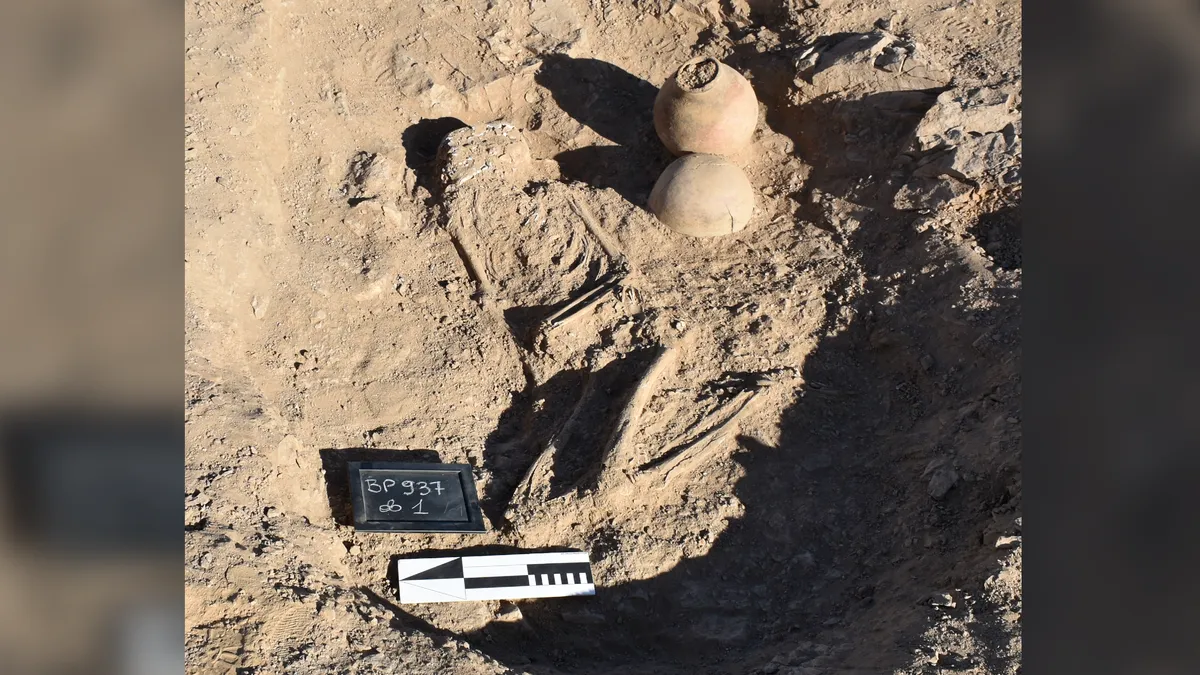
An isolated burial in Sudan has revealed the first evidence of an unknown funeral ritual that took place nearly 4,000 years ago in a little-known African kingdom, a new study finds. The study was published Nov. 13 in the journal Azania.
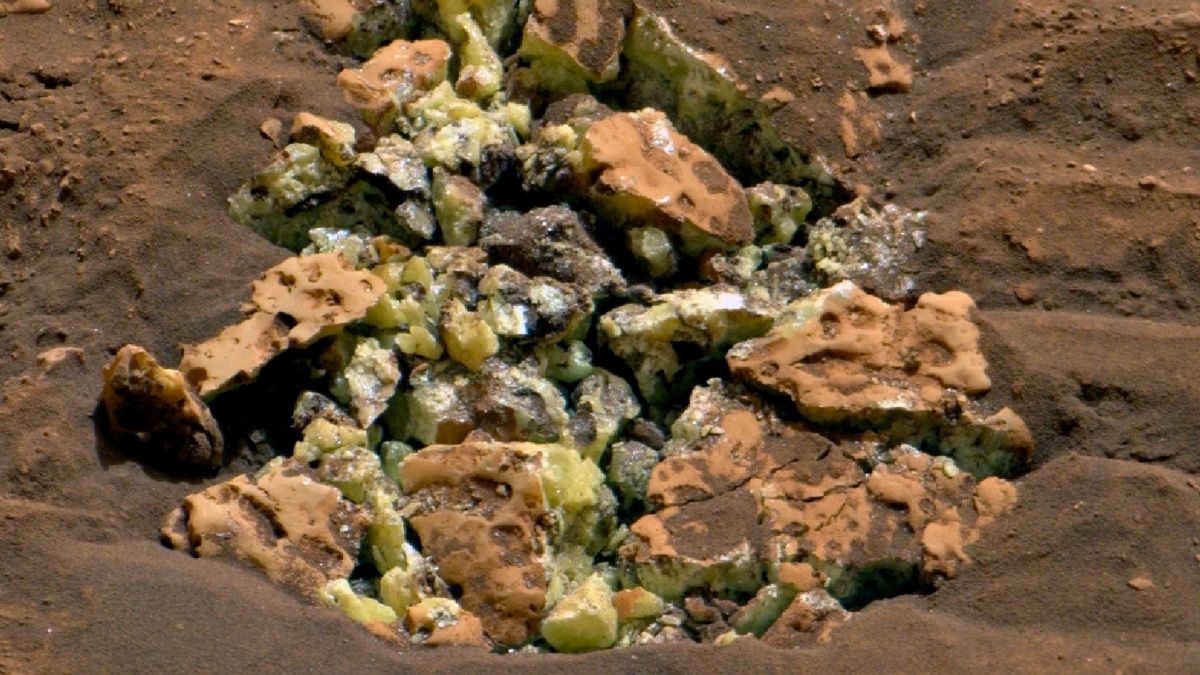
A rock on Mars spilled a surprising yellow treasure after Curiosity accidentally cracked through its unremarkable exterior.

Archaeologists are to resume digging at the Ness of Brodgar on Orkney after 3D radar technology led to an “extraordinary discovery”.

The presence of an extraordinary circle of yawning pits created by Neolithic people near Stonehenge has been proved, thanks to a novel combination of scientific techniques, a team of archaeologists is claiming.

A new study published in Nature on November 26 has shed light on the origins, population structures, and kinship systems of the people of Shimao—one of China’s most significant late Neolithic settlements.
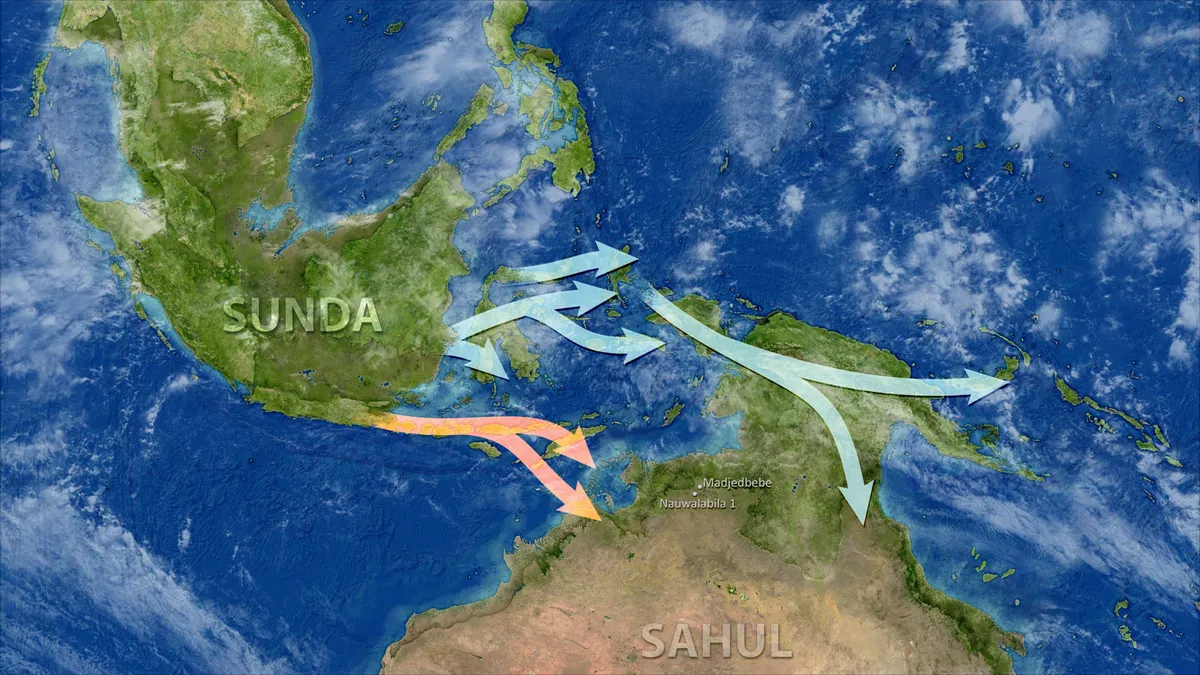
New genetic research shows that DNA and archaeological evidence align with the “long chronology” of the peopling of Australia. The new study was published Friday (Nov. 28) in the journal Science Advances.

You can now explore Rano Raraku, one of the major quarries on Easter Island, from the comfort of your home. A research team including faculty at Binghamton University, State University of New York has created the first-ever high-resolution 3D model of the quarry, providing people worldwide with a glimpse of the island, including almost 1,000 of its iconic moai statues.
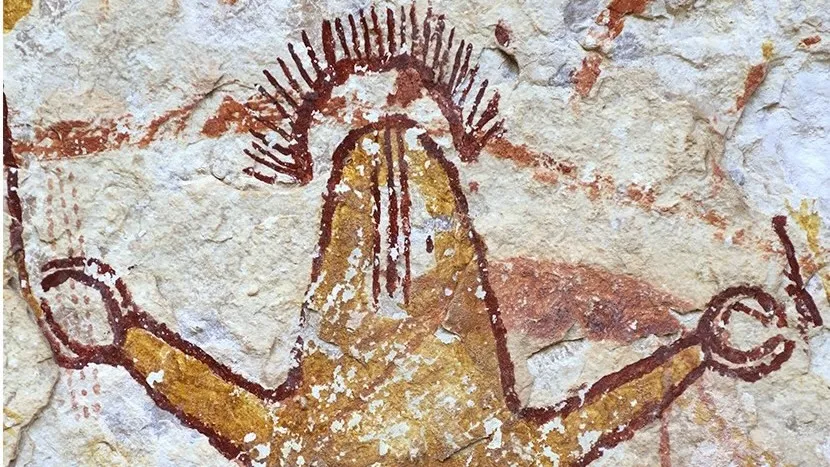
For more than 4,000 years, Indigenous Americans painted rock art depicting their conception of the universe in what is now southwestern Texas and northern Mexico, a new study finds. The study was published Wednesday (Nov. 26) in the journal Science Advances.
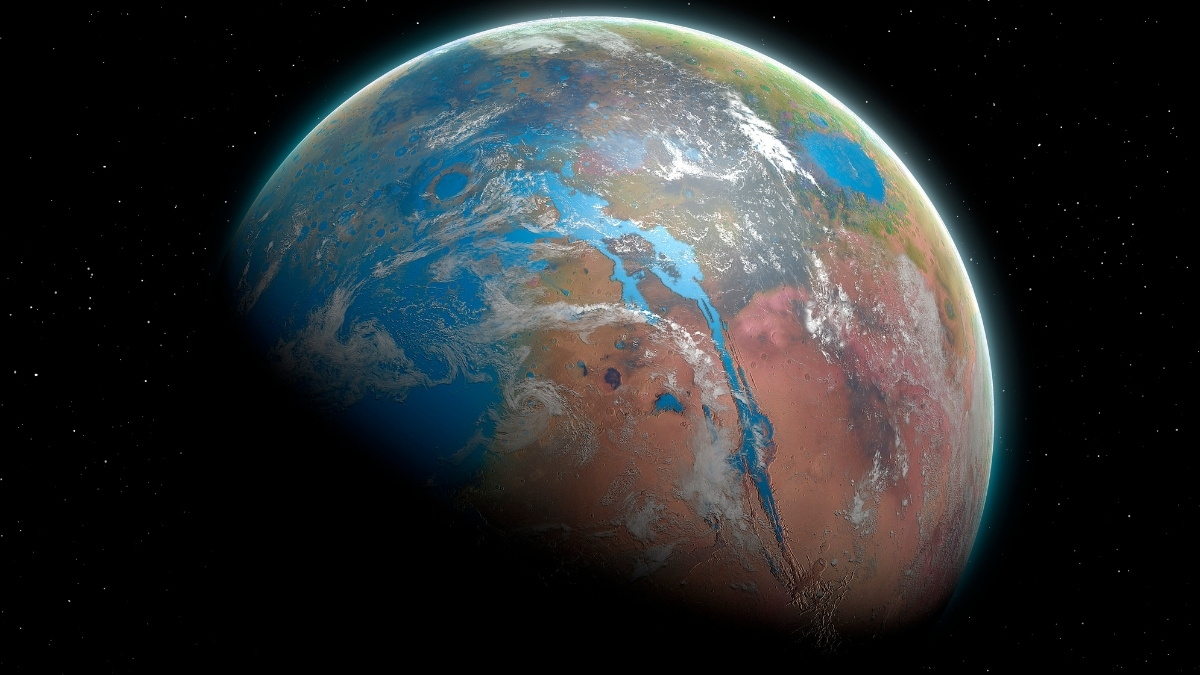
It is a scientific consensus that water once flowed on Mars, and that it had a denser atmosphere, meaning that it was once habitable. New findings published in the Journal of Geophysical Research – Planets indicate that Mars may have been habitable much longer than expected.

The study of an assemblage of Neanderthal human bones discovered in the Troisième caverne of Goyet (Belgium) has brought to light selective cannibalistic behavior primarily targeting female adults and children between 41,000 and 45,000 years ago.The research has just been published in Scientific Reports.

A stunning discovery in Southeast Asia is rewriting everything we thought we knew about early human migration. New evidence reveals a hidden chapter of ancient maritime mastery—thousands of years ahead of its time…These discoveries, published in the Journal of Archaeological Science: Reports, suggest that maritime innovation may have emerged independently and much earlier than previously thought.

A new study led by the University of Oxford has found evidence that kissing evolved in the common ancestor of humans and other large apes around 21 million years ago, and that Neanderthals likely engaged in kissing too. The findings are published in Evolution and Human Behavior.

According to a new machine-learning analysis, fragmentary carbon traces from the Josefsdal Chert, dating back 3.33 billion years, are the earliest and most confident detection of biotic chemistry on Earth to date. The research has been published in the Proceedings of the National Academy of Sciences.

A 12,000-year-old clay figurine unearthed in northern Israel, depicting a woman and a goose, is the earliest known human-animal interaction figurine…The study, published in PNAS, combines advanced analytical techniques to reconstruct both the artifact’s composition and its cultural significance.
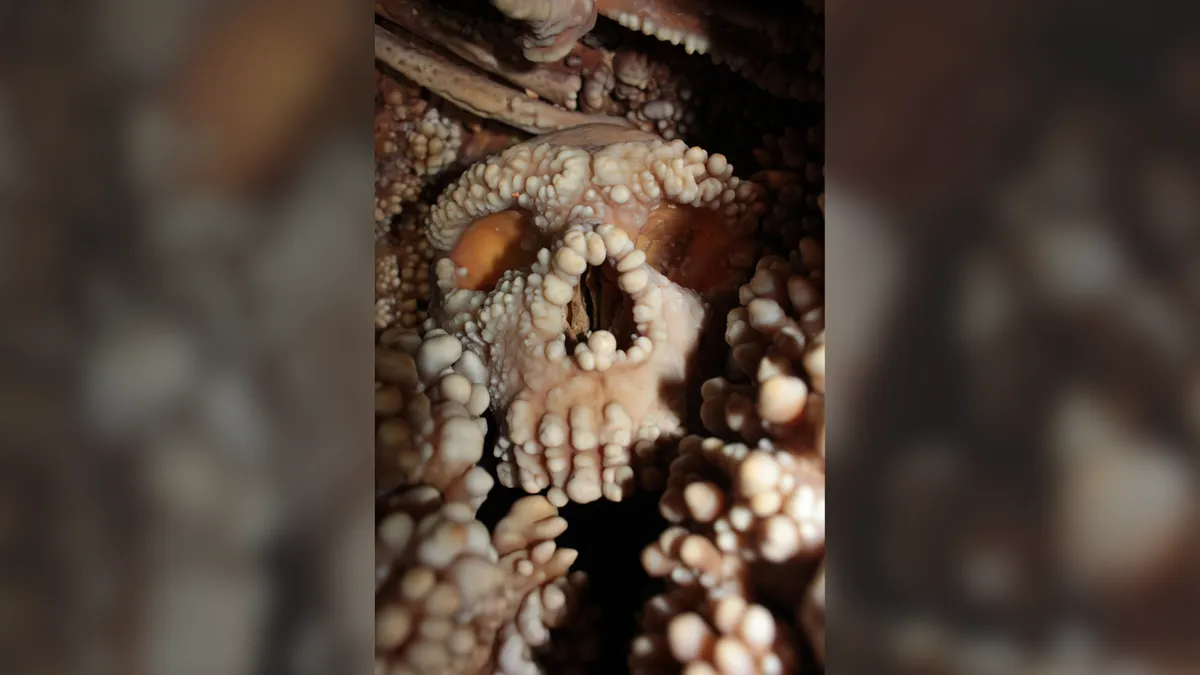
The “perfectly preserved” nasal cavity of Altamura Man is unique in the entire human fossil record, according to a study published Monday (Nov. 17) in the journal PNAS. These rare and fragile bones can therefore contribute important information to the question of whether Neanderthals’ faces were adapted to cold climates.

The story depicted on the ˁAin Samiya goblet—an 8 cm tall silver vessel from the Intermediate Bronze Age (c. 2650–1950 BCE)—might actually represent a different myth than originally thought, according to a new study.
War God: Night of Sorrows
Get your copy of War God: Vol III
Magicians of the Gods
Get your copy of Magicians of the Gods: