Humans news stories

The assemblages in these caves mostly date back to around 12,000 years ago—a time referred to as the Younger Dryas, in which an abrupt cooling event occurred. Prior to this period, temperatures were relatively warmer. The research is now published in Science Advances.

The last common ancestor of all living things did not just suddenly appear on Earth roughly 4.2 billion years ago. Some of its genes came from an even older and more mysterious source…The study was published in Cell Genomics.

New research shows MDMA and psilocybin may restore neural flexibility in people with PTSD, thereby helping the brain unlearn fear and relearn safety.

Celestial spectacle will be at its most impressive on 28 February, when Mercury, Venus, Jupiter, Saturn, Uranus and Neptune will align across the sky.

A new study reveals that Egyptians were using a mechanically sophisticated drilling tool far earlier than previously suggested. The study is published in Egypt and the Levant.
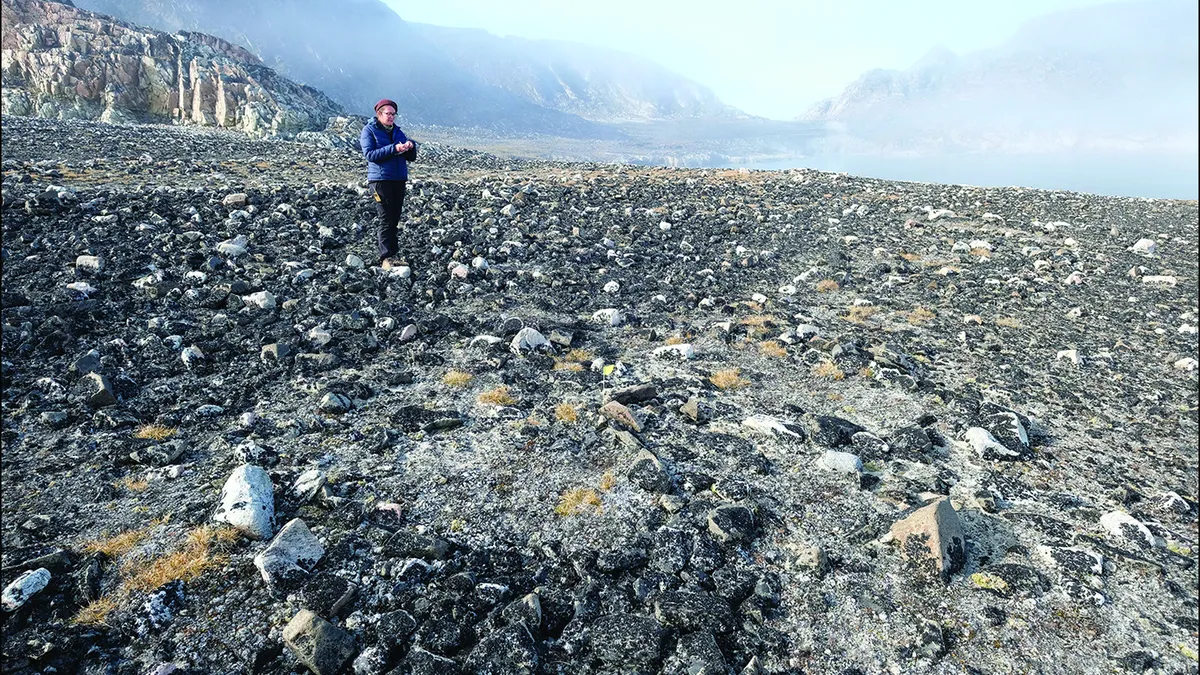
These early Arctic people, who had fine-tuned advanced watercraft technology and seafaring skills, repeatedly made the treacherous open-water journey to the islands to access vital maritime resources. The study was published Monday (Feb. 9) in the journal Antiquity.

In a new review published in Frontiers in Science, researchers warn that progress in AI and neurotechnology is moving faster than scientific understanding of consciousness. This gap, they argue, could lead to serious ethical problems if it is not addressed.

Recreating cosmic dust may help answer questions about how meteorites hitting Earth came to contain organic matter
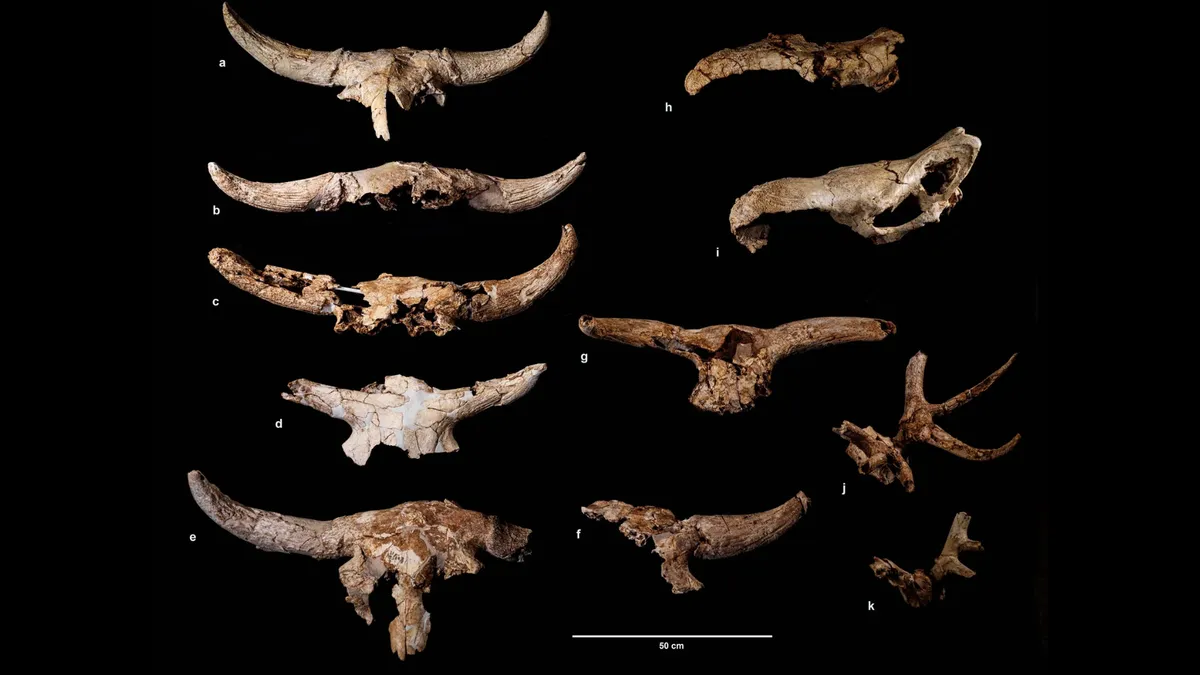
Neanderthals purposefully collected and positioned horned and antlered animal skulls in a cave in what is now Spain, suggesting that these extinct human relatives had complex cultural practices over 43,000 years ago, a new study finds. The study was published Jan. 3 in the journal Archaeological and Anthropological Sciences.

A new study suggests that the intensity of spiritual or “mystical” moments felt during psychedelic treatment may predict how well veterans recover from trauma symptoms. Researchers found that soldiers who reported profound feelings of unity and sacredness while taking ibogaine experienced lasting relief from post-traumatic stress disorder. These findings were published in the Journal of Affective Disorders.
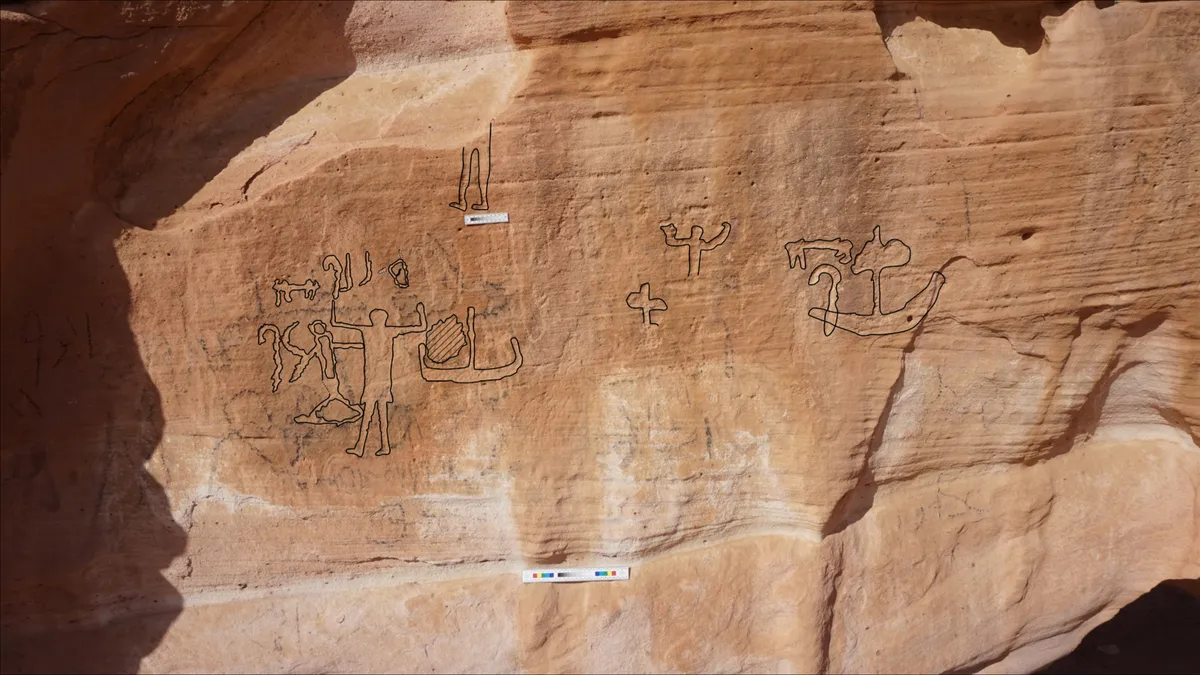
Archaeologists have discovered 5,000-year-old rock art in the Sinai Desert that depicts ancient Egypt’s brutal conquest of the region. The artwork “shows in a terrifying manner how the Egyptians colonized the Sinai and subjugated the inhabitants,” the archaeologists said in a statement. The new related study was published in the 2025 edition of the journal Blätter Abrahams.

There’s a bright side to every situation. In 2032, the Moon itself might have a particularly bright side if it is blasted by a 60-meter-wide asteroid. The chances of such an event are still relatively small (only around 4 per cent), but non-negligible… A new paper from Yifan He of Tsinghua University and co-authors, released as a preprint on arXiv, looks at the bright side of the potential science we could do if a collision does indeed happen.
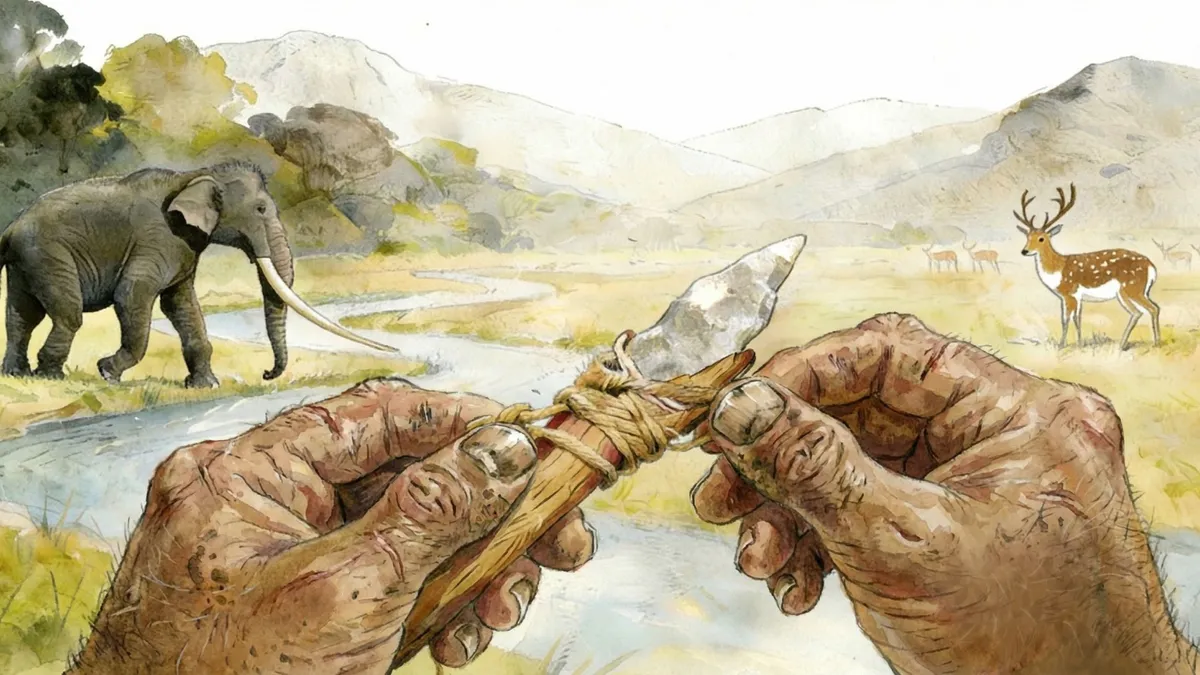
Archaeologists have found that early humans in what is now China were using sophisticated stone tools as far back as 160,000 years ago.”This discovery challenges the perception that stone tool technology in Asia lagged behind Europe and Africa during this period”…The study was published Tuesday (Jan. 27) in the journal Nature Communications.

Roughly 5,500–6,000 years ago, the area including present-day Finland was inhabited by hunter-fisher-gatherers living in small village-like clusters…They also colored their dead and objects, before burial, with the same pigment. The fiery red color was undoubtedly meaningful in itself, but other meanings were also associated with the pigment’s ritual use. A study on this topic is published in the Journal of Archaeological Science: Reports.
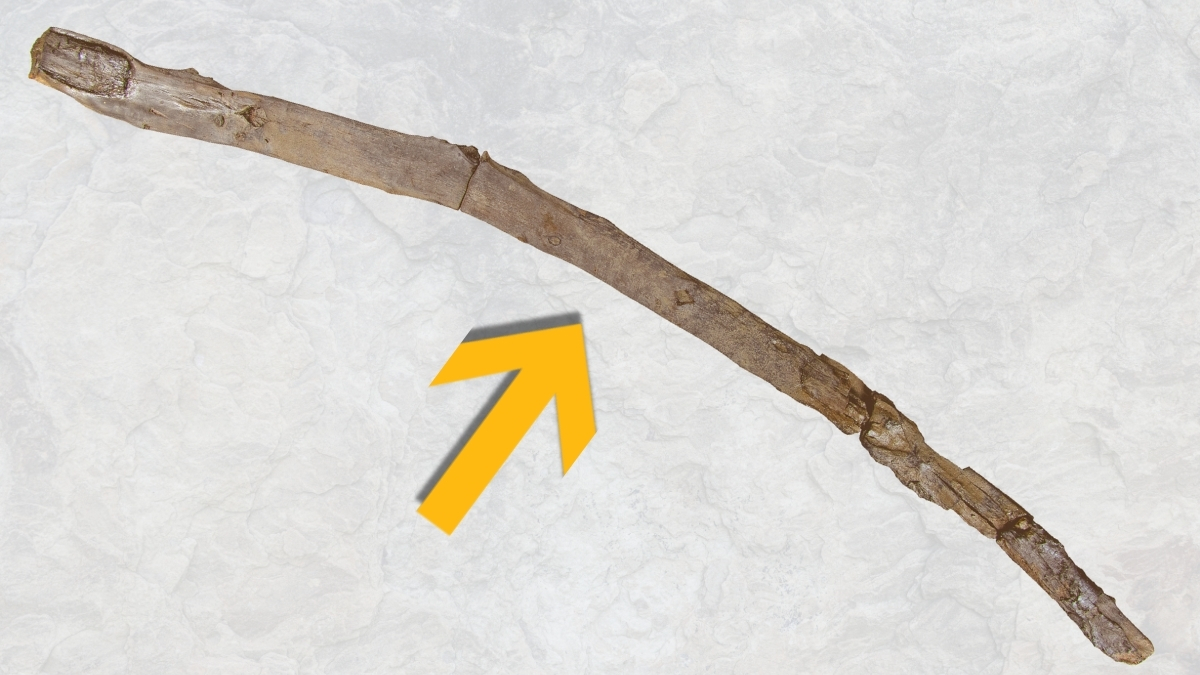
Two artefacts found at a lake shore in Greece are the oldest wooden tools to be uncovered so far and date back 430,000 years. The research was published on Monday in the journal Proceedings of the National Academy of Sciences.
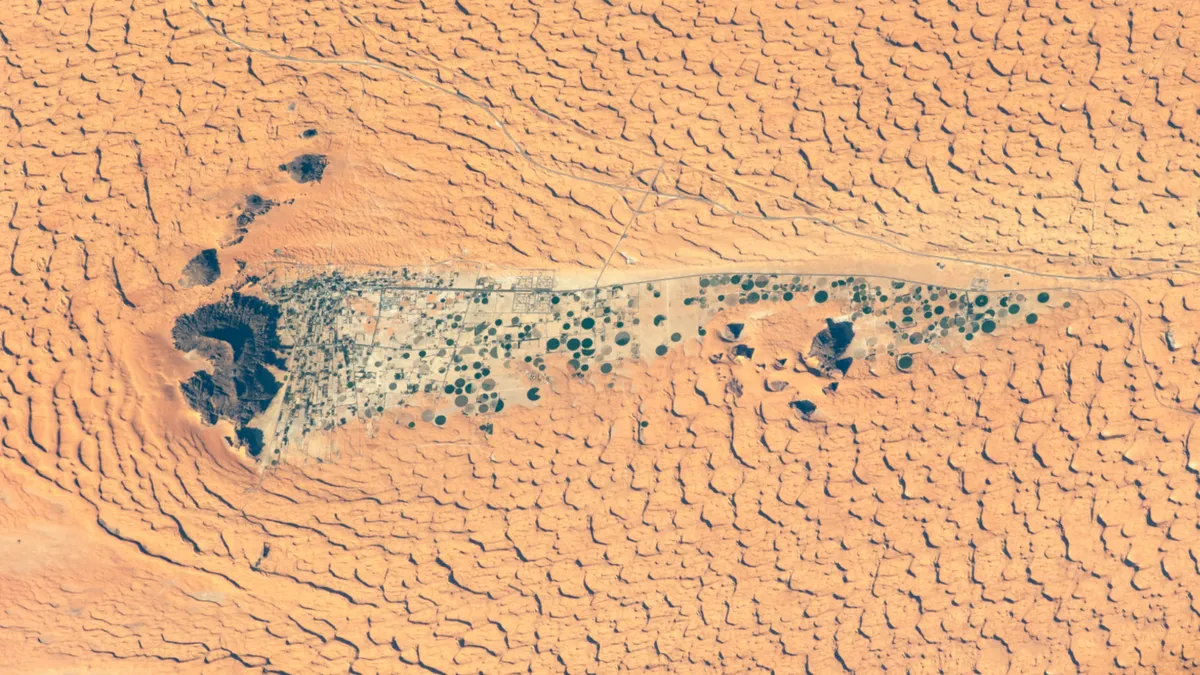
This intriguing astronaut photo shows an oasis town and crop circles lurking within the shadowy tail of a “camel-hump” mountain in the harsh Saudi Arabian desert. The unlikely settlement lies within an ancient lake bed and is home to rock art dating back thousands of years.
War God: Night of Sorrows
Get your copy of War God: Vol III


Magicians of the Gods
Get your copy of Magicians of the Gods: