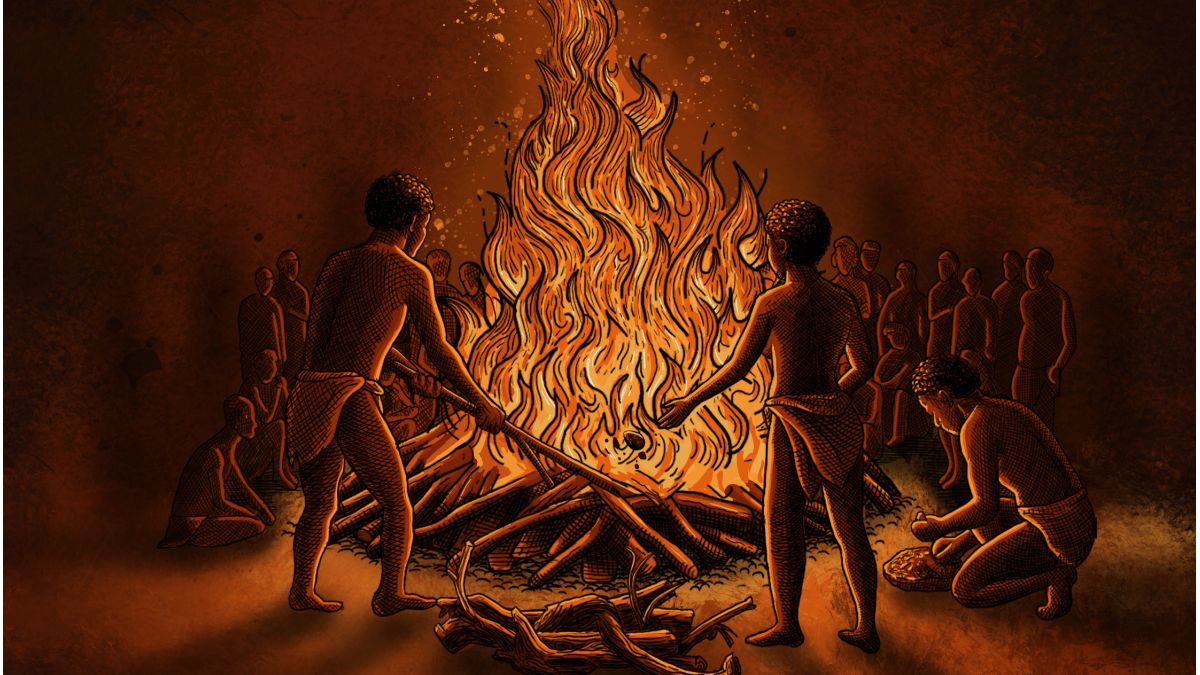
In an ancient rock shelter in the heart of Malawi, archaeologists have found the world’s oldest evidence of a funeral pyre for an adult. The research has been published in Science Advances.
Humans news stories
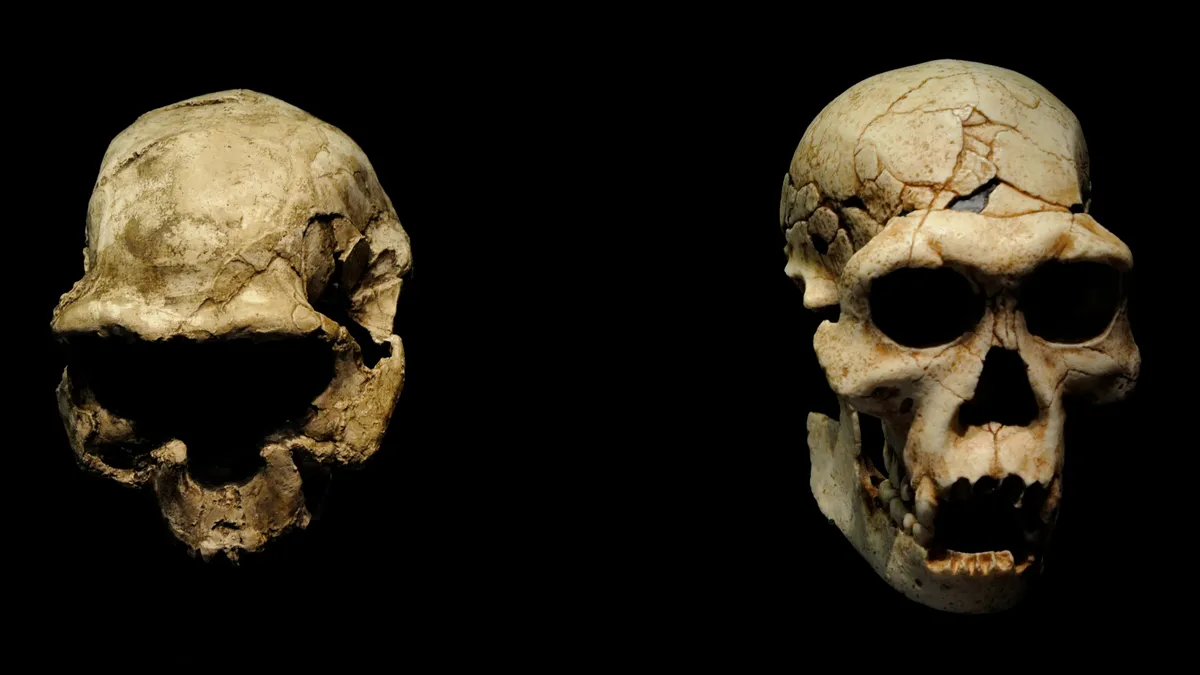
Early, ancestral members of the human lineage may have left Africa earlier than widely thought, a new study of fossil teeth suggests. The new study was published Dec. 3 in the journal PLOS One.
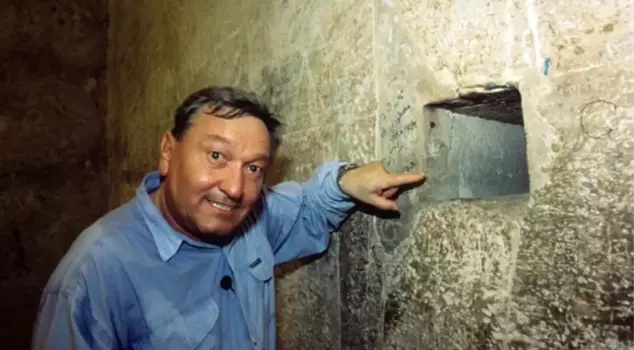
Swiss author Erich von Däniken passed away at the age of 90. Erich von Daniken’s family announced that the author died on January 10, 2026, in a hospital in Interlaken, Switzerland.
“Could it be that God was an extra-terrestrial? What do we mean when we say that heaven is in the clouds? From Jesus Christ to Elvis Presley, every culture tells us of high-flying bird men who zoom around the world creating magnificent works of art and choosing willing followers to share in the eternal glory from beyond the stars. Can all these related phenomena merely be dismissed as coincidence?”
Chariots of the Gods

The hunting of large whales goes back much further in time than previously thought. New research…reveals that Indigenous communities in southern Brazil were hunting large cetaceans 5,000 years ago, around a thousand years before the earliest documented evidence from Arctic and North Pacific societies. The research was published in Nature Communications.
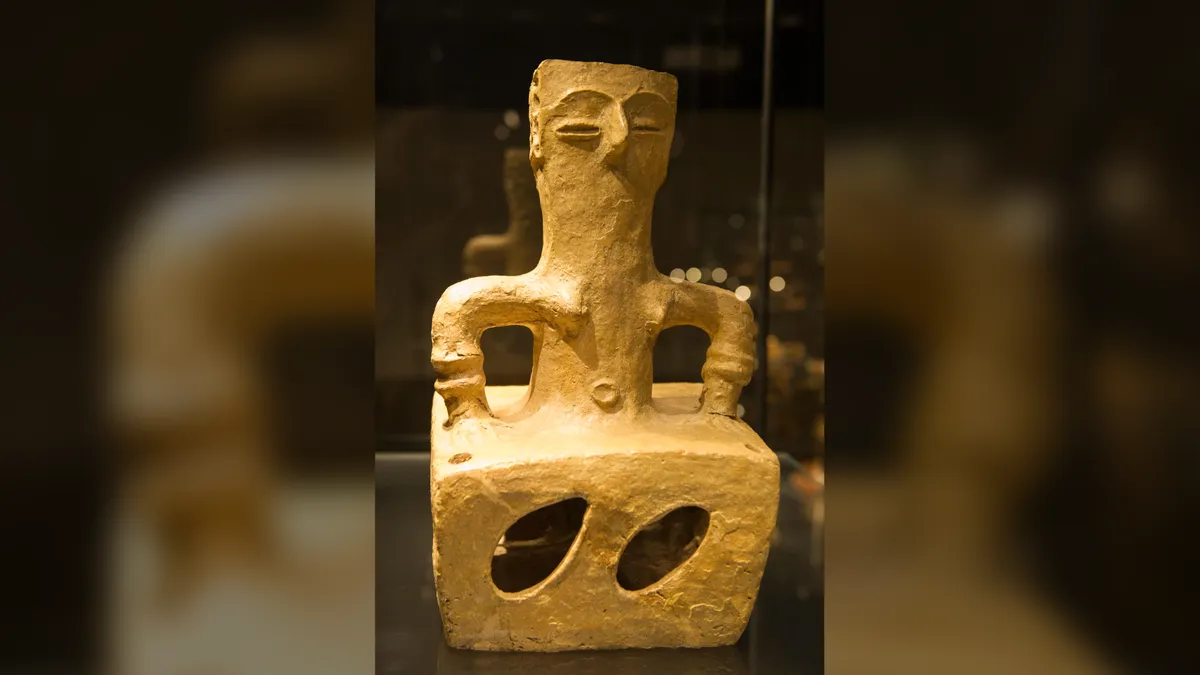
Stone Age people in Macedonia created goddess figurines whose bottom half was a house.
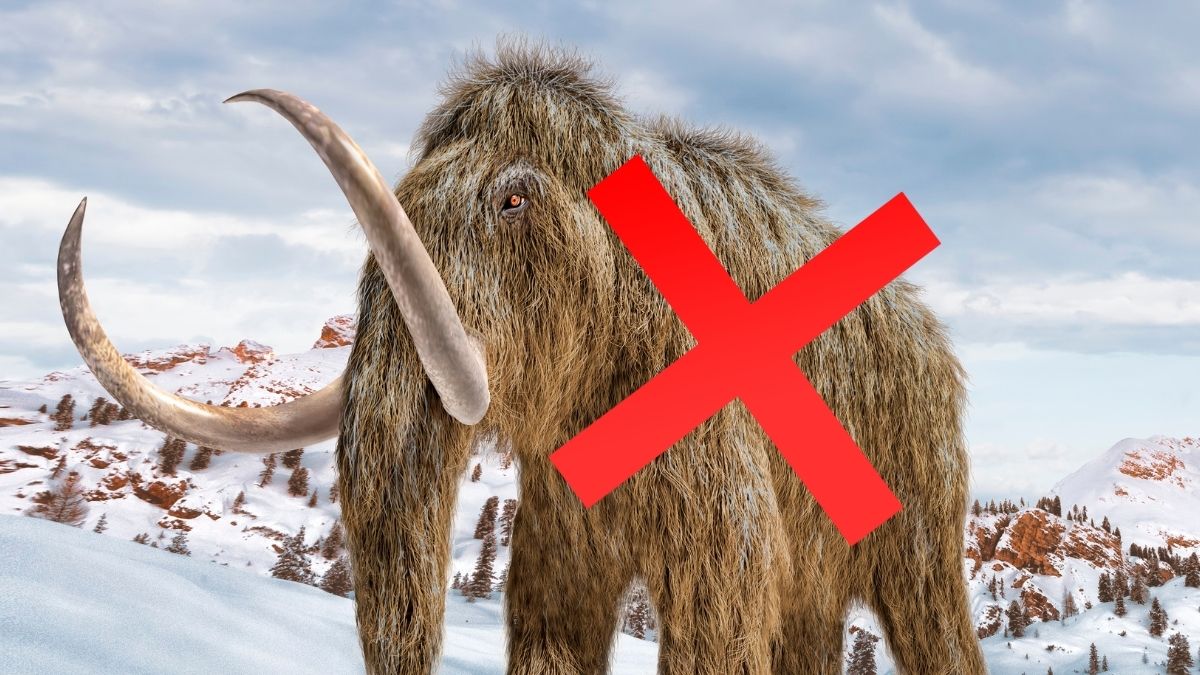
The fossilized backbones of what appeared to be woolly mammoths have turned out to come from an entirely different and unexpected animal. The research was published in the Journal of Quaternary Science.
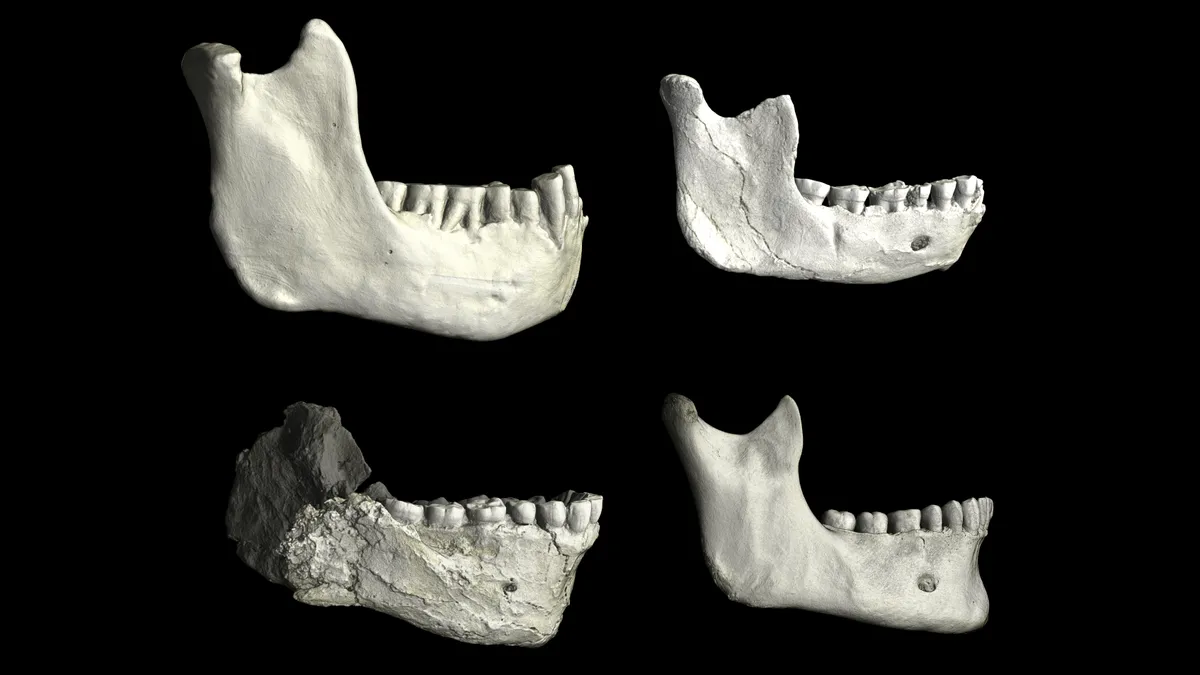
A collection of bones from Casablanca holds important new clues to the origins of modern humans and Neanderthals. The research, published Wednesday (Jan. 7) in the journal Nature.
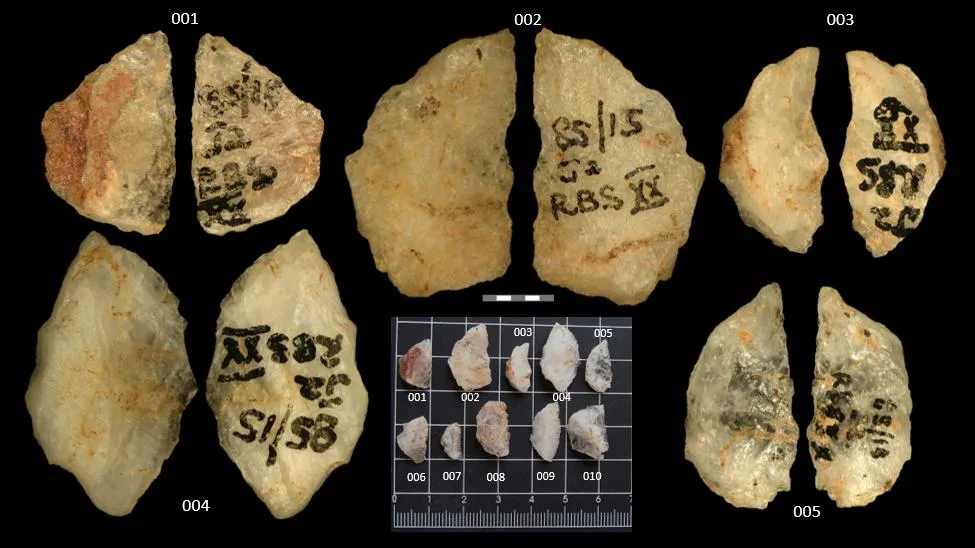
Five quartz arrowheads found in a South African cave were laced with a slow-acting tumbleweed poison that would have tired prey during long hunts. The study was published Wednesday (Jan. 7) in the journal Science Advances.

Could Homo sapiens and an archaic and now-extinct species of early human have lived alongside each other on the Indonesian island of Sulawesi more than 65,000 years ago? The results of a new study, led by Griffith University and published in PLOS ONE, reveal, for the first time, a deep sequence of archaeological deposits extending to at least eight meters below the current ground surface—layers that preserve traces of human activity far older than the arrival of our own species on Sulawesi.

In the murky first chapters of the human story is an unknown ancestor that made the profound transition from walking on all fours to standing up tall, an act that came to define us. Details are published in Science Advances.

New analysis of the first humans outside Africa could finally settle a decades-long debate…The latest study, published in the journal PLOS One, seeks to decide the issue.

A new analysis of clinical trial data indicates that psilocybin, when administered alongside psychotherapy, may provide rapid relief for patients suffering from cancer-related anxiety and depression. This study, which synthesized data from prior randomized controlled trials, was published in The International Journal of Psychiatry in Medicine.
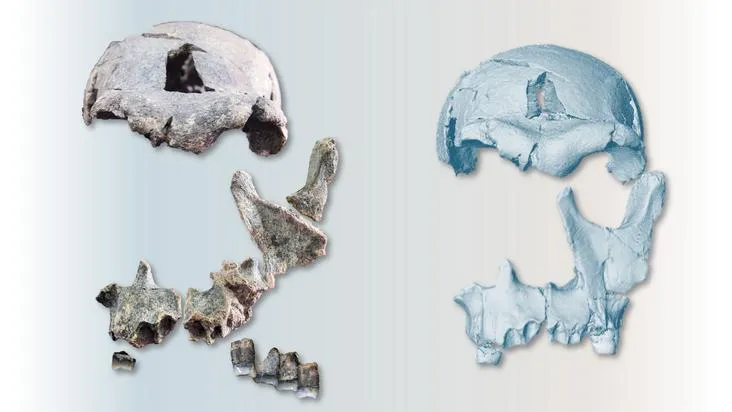
Scientists have reconstructed the head of an ancient human relative from 1.5 million year-old fossilized bones and teeth. But the face staring back is complicating scientists’ understanding of early human evolution and dispersal, according to a new study.
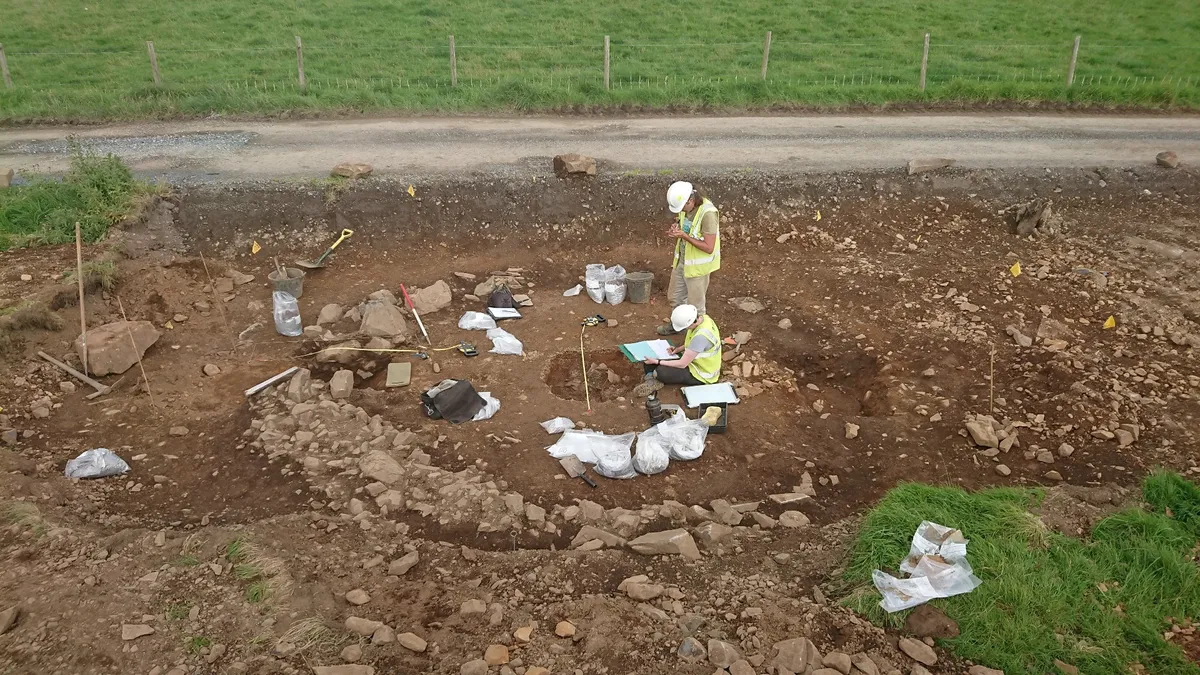
Archaeologists have discovered the 3,300-year-old cremated remains of at least eight people who were buried in five urns in Scotland. While it’s unknown how they died, it was likely during some sort of catastrophic event. The new study was recently published in Archaeology Reports Online.
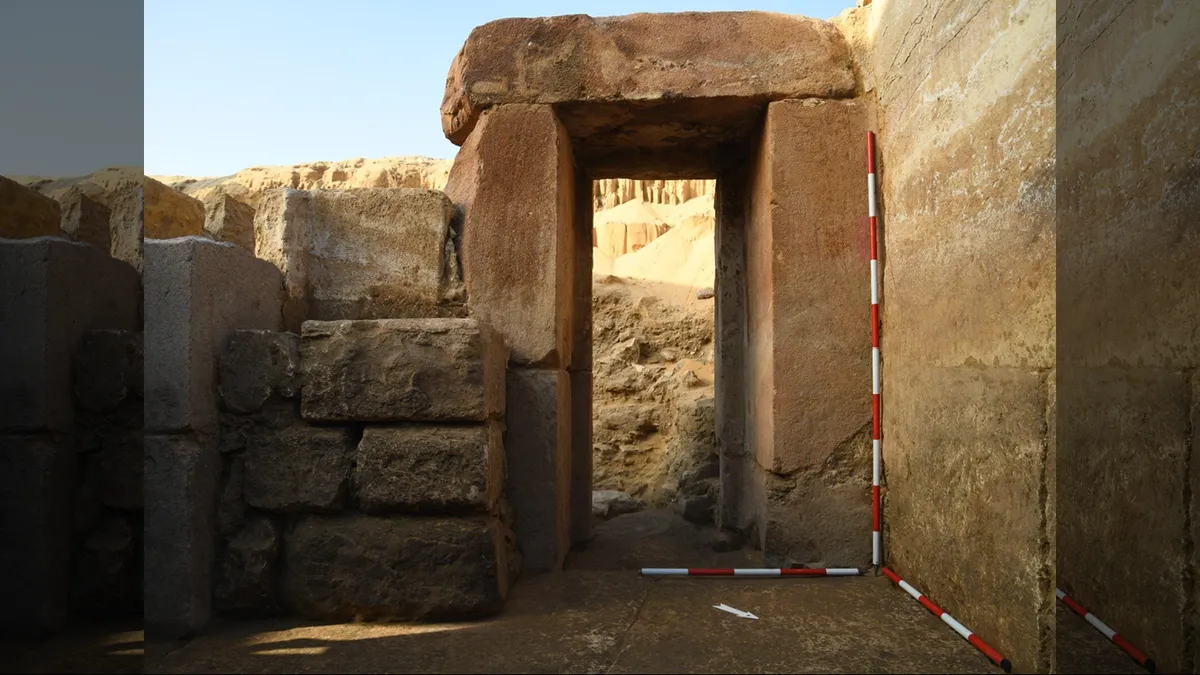
The newly excavated 4,500-year-old valley temple from ancient Egypt holds a “public calendar” and a roof for astronomical observation.

A new study takes a deep dive into the findings of the two test pits in the Pahon Cave, which recovered 1,131 lithic artifacts and 1,045 faunal remains. The new study is published in the journal PLOS One.
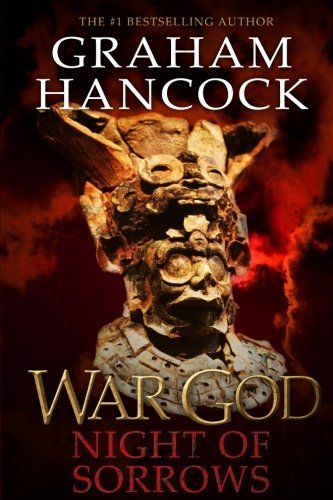
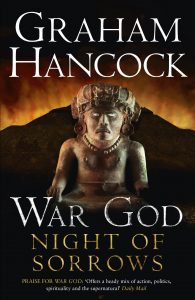
War God: Night of Sorrows
Get your copy of War God: Vol III
Magicians of the Gods
Get your copy of Magicians of the Gods: