
Humans news stories

In the journal Antiquity, Dr. Shokouh Khosravi published preliminary findings of the largest known corpus of prehistoric seal impressions in the entire ancient world. The corpus, made up of over 7,000 seal impressions, more than 200 clay figurines, clay tokens, and two cylinder seals, dates back to 5,000 years ago…
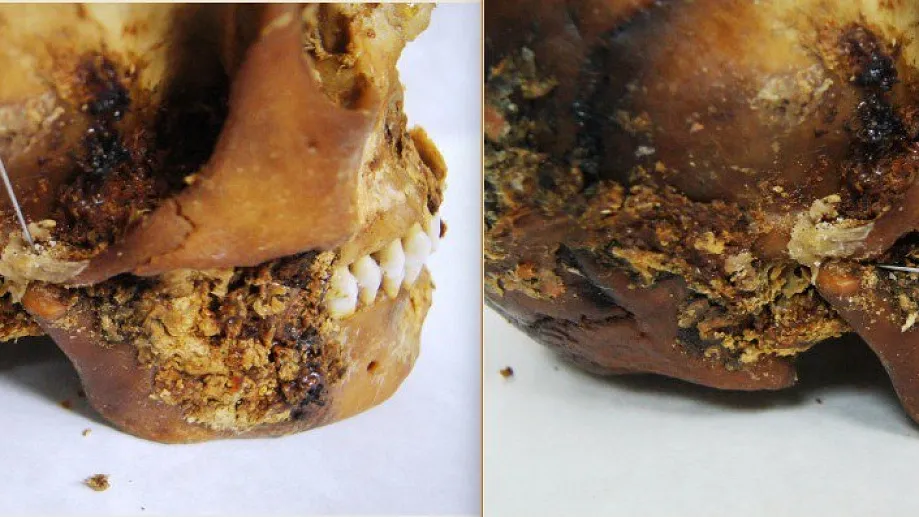
“It is possible that we have discovered evidence of such a surgical procedure for the first time,” Dr. Andrey Letyagin, a radiologist at the Siberian Branch of the Russian Academy of Sciences, said in a translated statement, since “we had not previously encountered [it] in the scientific literature.”
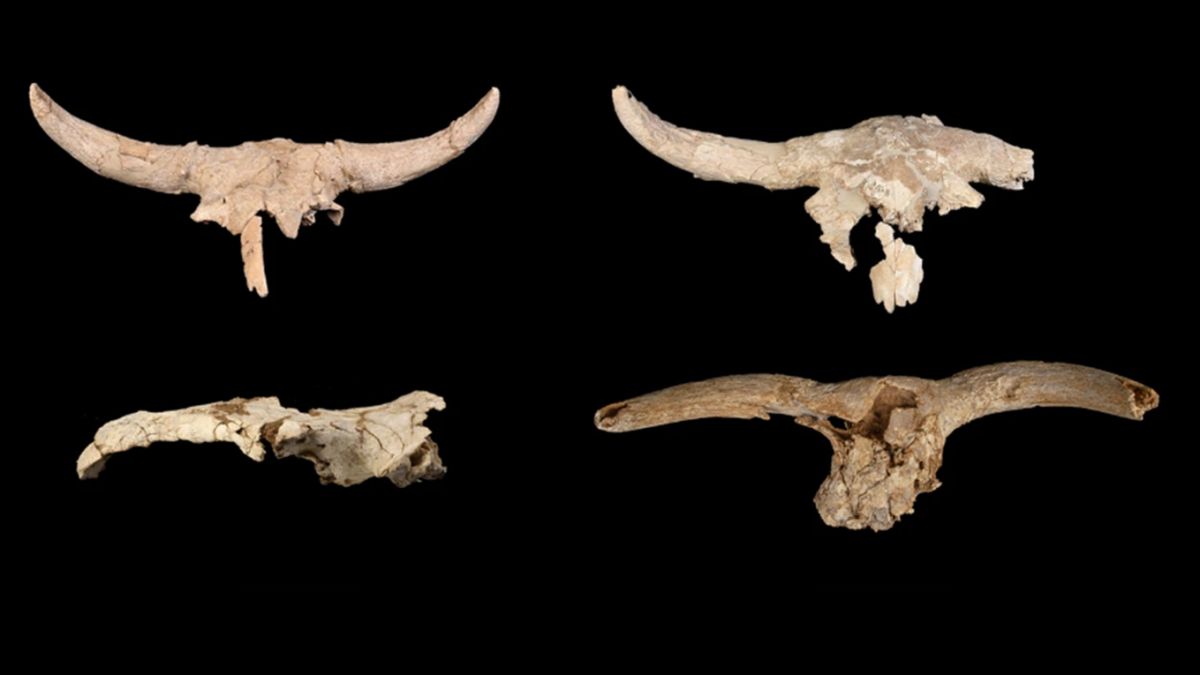
A new investigation of ancient horned animal skulls found in Spain’s Des-Cubierta Cave deepens the mystery of when and why Neanderthals put them there. The findings have been published in Archaeological and Anthropological Sciences.
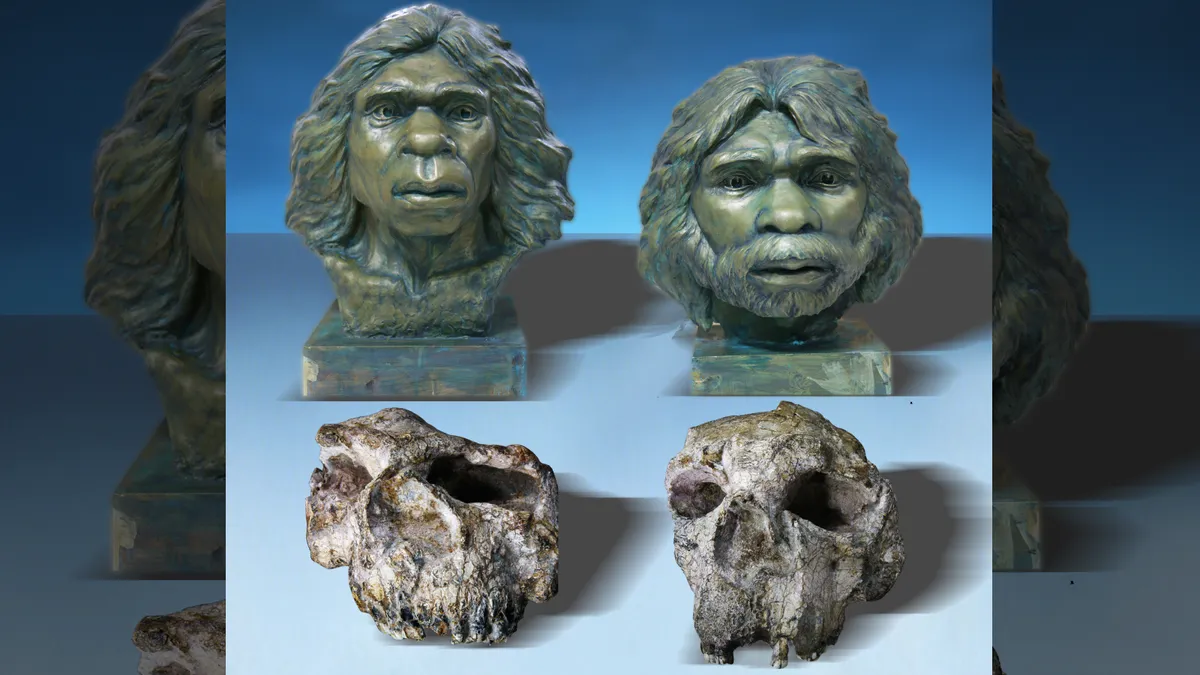
Three Homo erectus skulls previously unearthed in China are almost 1.8 million years old, around 600,000 years older than originally thought, a new study finds. The research was published Wednesday (Feb. 18) in the journal Science Advances.

Scientists and philosophers studying the mind have discovered how little we know about our inner experiences – by Michael Pollan
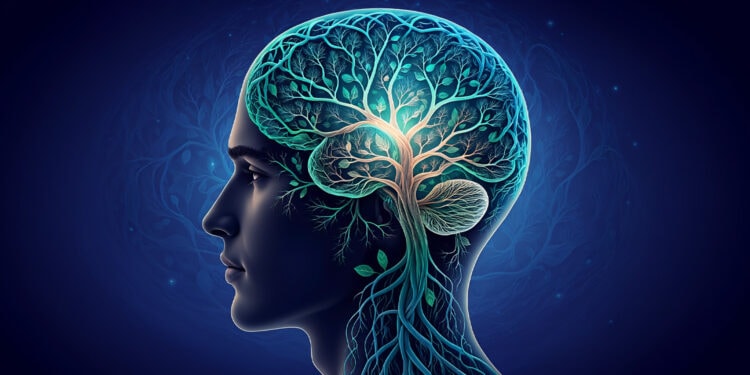
A new study published in npj Mental Health Research suggests that U.S. Special Operations veterans treated with a combination of magnesium and ibogaine experience a rapid, self-directed form of psychological healing. The findings suggest that the treatment triggers a state of “auto-psychotherapy,” where patients revisit traumatic memories, reframe their life narratives, and feel a physical sense of brain repair.

Two recent studies conducted by scientists at the University Health Network and the University of Toronto provide new evidence regarding the effects of lysergic acid diethylamide (LSD) on the brain. The findings suggest that this psychedelic compound may have unexpected neuroprotective properties against severe seizures in mice. These papers, published in Next Research and Brain Research, challenge conventional assumptions about psychedelics and safety in the context of epilepsy.

Far from the common assumption of a strictly binary division of labor, the roles of women and men in Neolithic Europe were both clearly differentiated and flexible, according to a new study conducted by CNRS researchers and an international team. These findings were published in the American Journal of Biological Anthropology on February 16, 2026.

The study included 34 patients with moderate-to-severe depression, all of whom had tried other treatments without success. Those given a single intravenous dose of dimethyltryptamine (DMT) showed significant improvement within a week compared to those who received a placebo. The findings have been published in Nature Medicine.

The oldest human remains ever found in Northern Britain have been identified as a young female, three years after being discovered in a Cumbrian cave…the 11,000-year-old bones provide clear evidence of Mesolithic burials in the North. A research paper about the discovery and DNA analysis is published in the Proceedings of the Prehistoric Society.
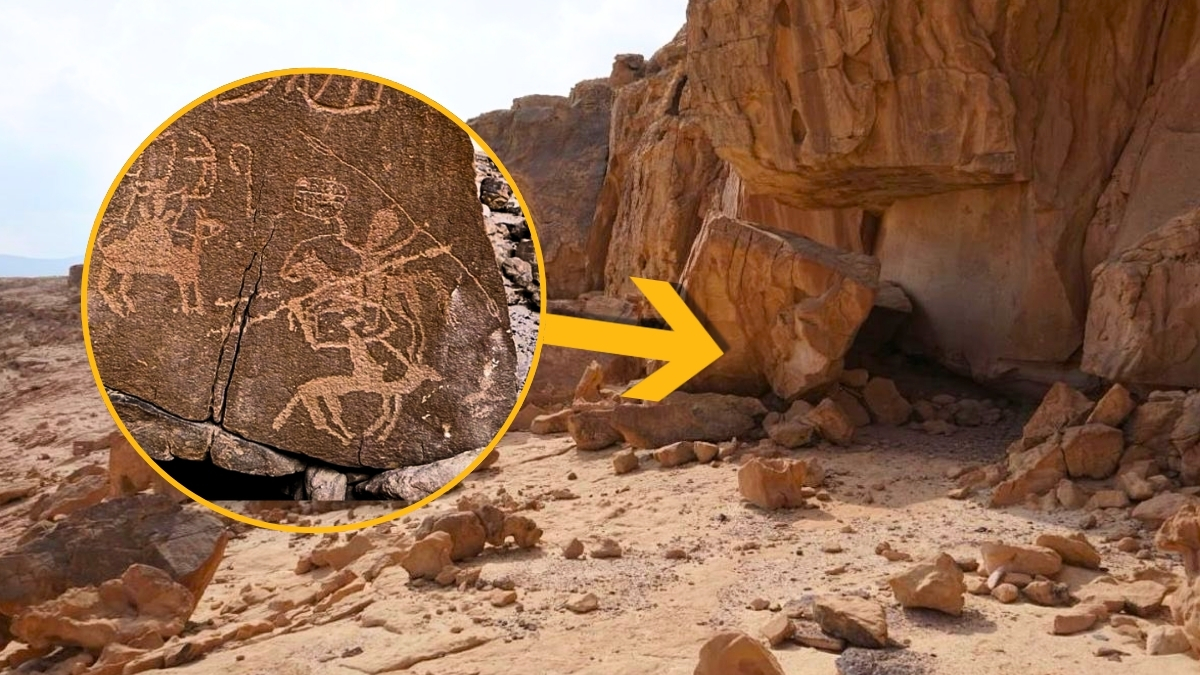
Archaeologists have discovered a 10,000-year-old site with rock art in Egypt’s Sinai Peninsula, the country’s Ministry of Tourism and Antiquities said Thursday.
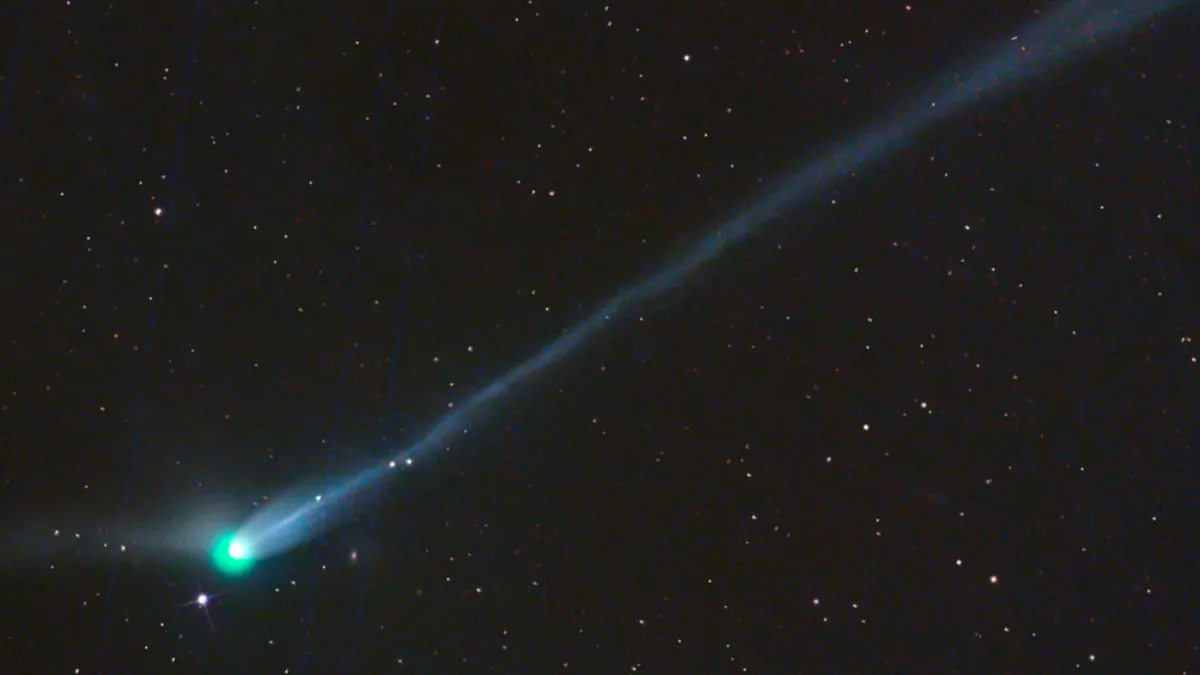
Comet Wierzchoś, also known as C/2024 E1, is rapidly brightening as it approaches its closest point to Earth next week. But experts predict it will eventually be thrown out of the solar system forever, just like the “alien” comet 3I/ATLAS.

A recent study published in Praehistorische Zeitschrift presents new findings: A roe deer antler headdress finds its closest comparison in the Mesolithic “shaman” grave from Bad Dürrenberg. This find highlights the intensity of the contacts between early farmers and hunter–gatherers.

Researchers at the University of Huddersfield have used ancient DNA to reveal that hunter-gatherers in one part of Europe survived for thousands of years longer than anywhere else on the continent—and have uncovered the pivotal role of women in the process. The research was carried out as part of an international network of geneticists and archaeologists led by David Reich at Harvard University, and is published in Nature.

Why did the Lord of Chincha occupy such a high position in Inca society? In our new study published in PLOS One, we find evidence for a surprising potential source of power and influence: bird poop.

In a new study…an international team of scientists led by University of Cagliari bioanthropologist Vitale Stefano Sparacello painstakingly reconstruct what they think likely killed the teenager some 27,500 years ago. The paper is published in the Journal of Anthropological Sciences.
War God: Night of Sorrows
Get your copy of War God: Vol III


Magicians of the Gods
Get your copy of Magicians of the Gods: