Ancient news stories

The findings, which are published in Nature, have important implications for our understanding of how Mars evolved. Billions of years ago, the planet may have had a thicker atmosphere that allowed liquid water to flow on the surface.

Until now, the mainstream view has been that stars and galaxies appeared first and that black holes were created only when the earliest stars ran out of fuel and collapsed under their own gravity. But the latest observations by the space telescope, which reveal a gargantuan black hole with only a sparse halo of surrounding material dating back to the dawn of the cosmos, appear incompatible with this sequence of events
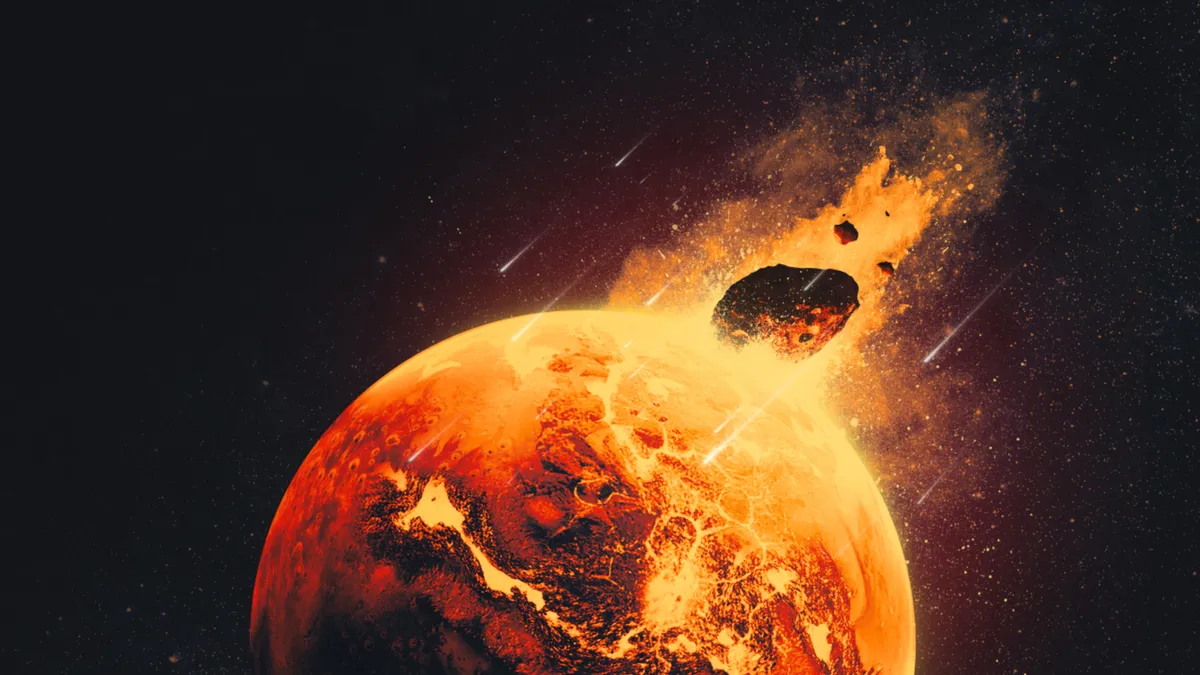
In a new study, published Aug. 28 in the journal Science, researchers analyzed “Marsquake” data collected by NASA’s InSight lander, which monitored tremors beneath the Martian surface from 2018 until 2022, when it met an untimely demise from dust blocking its solar panels. By looking at how these Marsquakes vibrated through the Red Planet’s unmoving mantle, the team discovered several never-before-seen blobs that were much denser than the surrounding material.

Archaeologists in Peru have discovered a multicoloured three-dimensional wall that could date back 4,000 years, in an unprecedented find that has shifted archaeological understanding about the first civilisations in the Americas.

This discovery, published in the journal PLOS One, offers new insights into the complexity of early Homo sapiens’ interaction with plant resources—not only as food but also for more sophisticated uses such as dyeing and medicine. Indeed, Isatis tinctoria L., has a long history of use in both dyeing and healing.
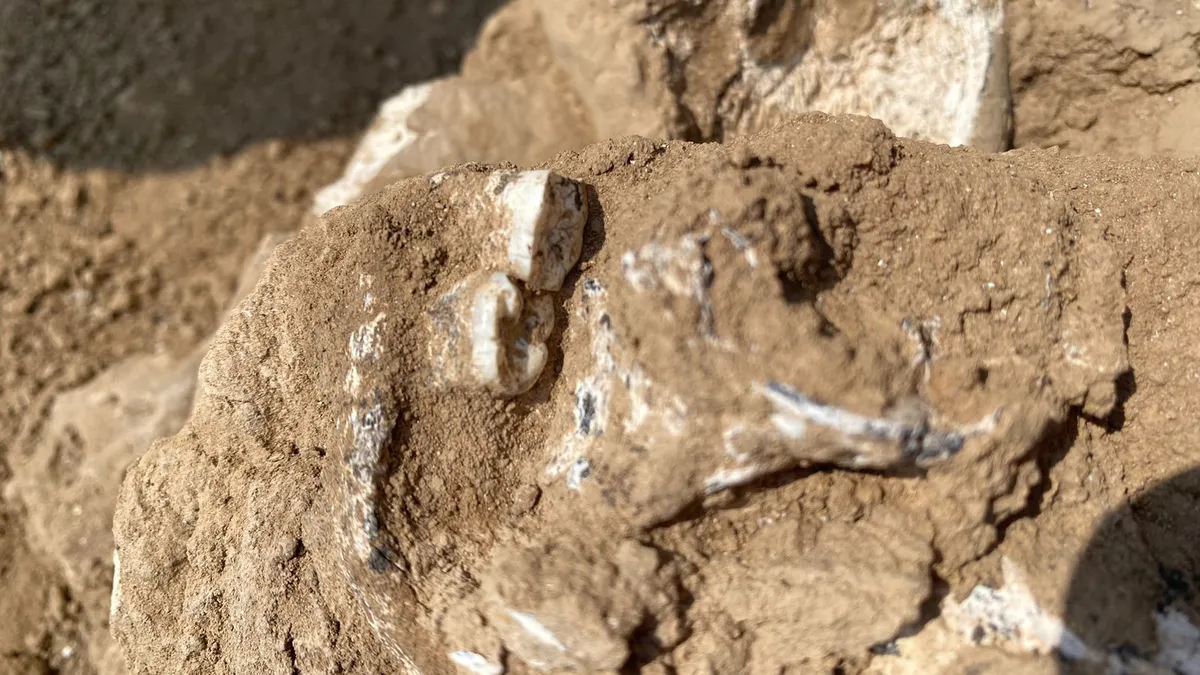
A new fossil find in the Republic of Georgia is expanding our understanding of the earliest humans to leave Africa. The discovery, announced July 31 by the Georgian National Agency for Cultural Heritage Preservation, sheds new light on the evolution of our genus, Homo, and “is expected to reveal the reasons for the migration of early hominins out of Africa,”…

Their findings, published this week (Aug. 25) in Nature Communications, show that migration of farming groups was the dominant factor, while cultural adoption by hunter-gatherers only played a minimal role.
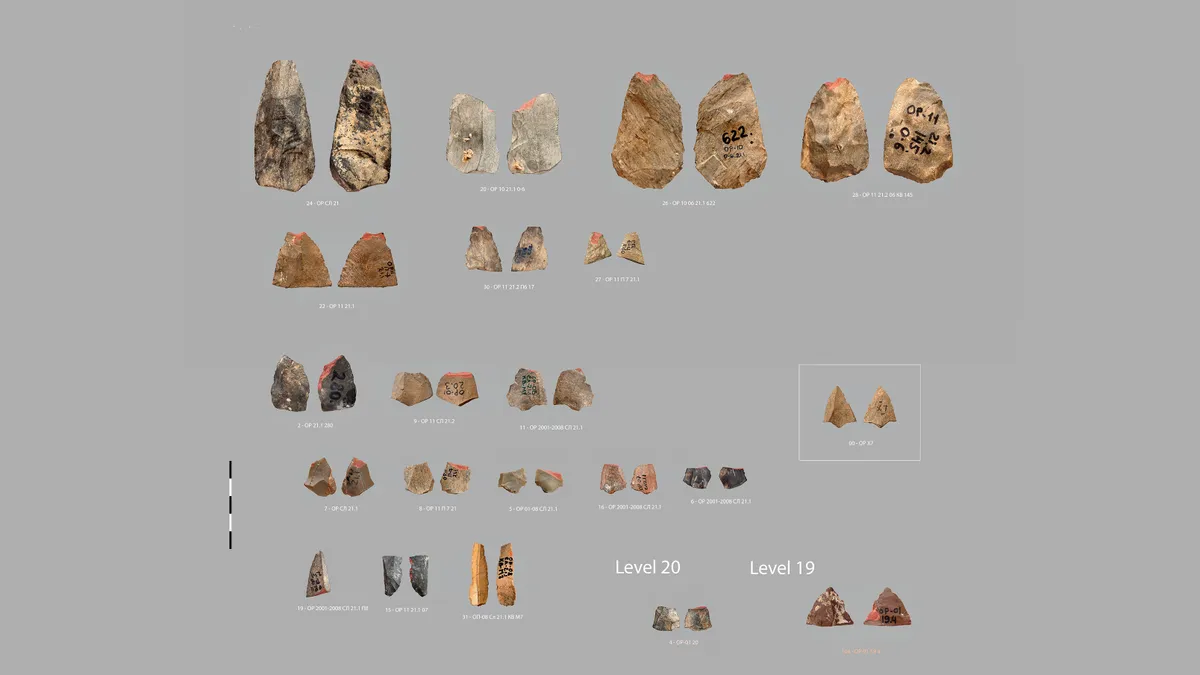
Tiny stone artifacts discovered in Uzbekistan may be the oldest known arrowheads, a new study suggests.
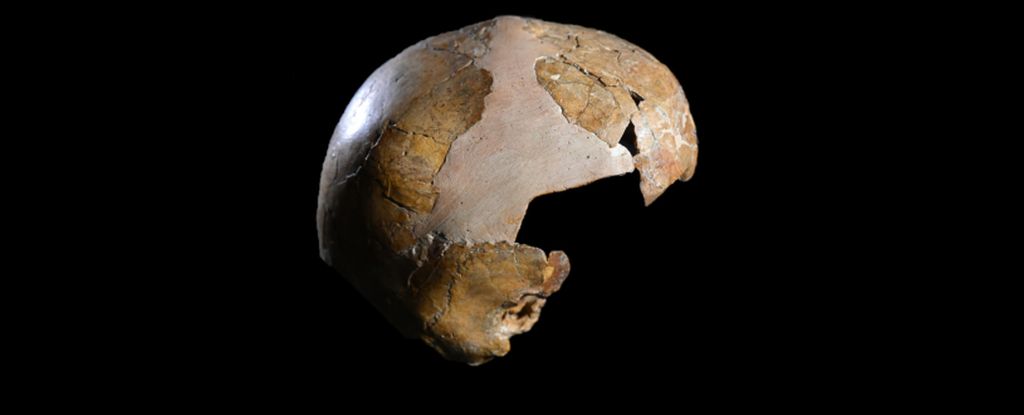
The skull of a small child who lived and died many millennia ago represents the oldest direct evidence to date of the prolonged mingling between anatomically modern humans and our closely related cousins, the Neanderthals. The research has been published in L’Anthropologie.
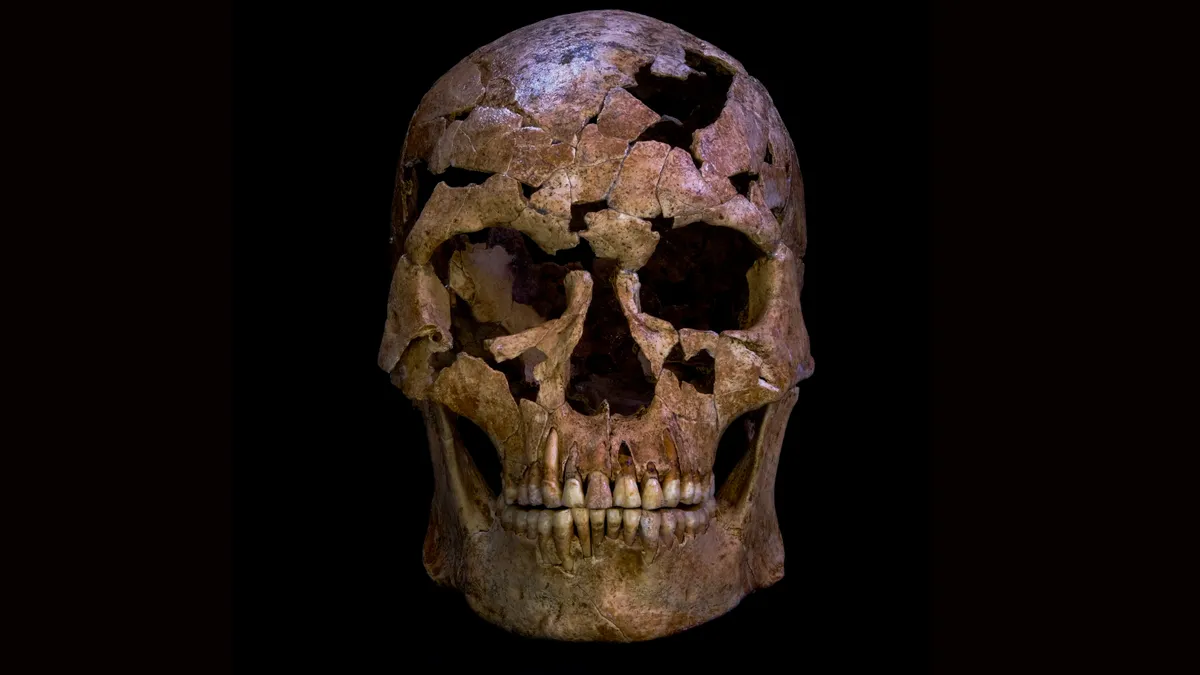
Around 12,000 years ago, a man was shot by an arrow with an exotic stone tip in what is now Vietnam. He survived the initial injury but likely succumbed to infection, a new analysis of his remains suggests.
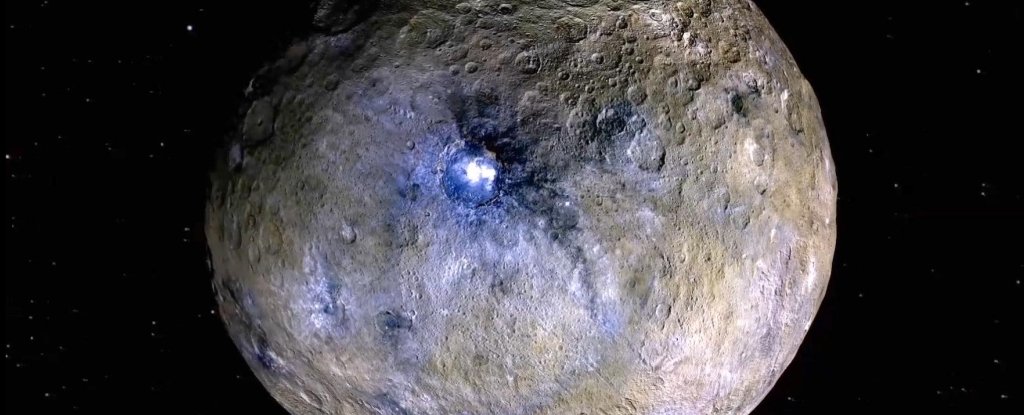
When NASA’s Dawn mission arrived at Ceres in 2015, scientists and the general public got their first detailed look at this strange and beautiful planetoid. New research can be found in a paper summarising their findings, which was published on August 20th in Science Advances.
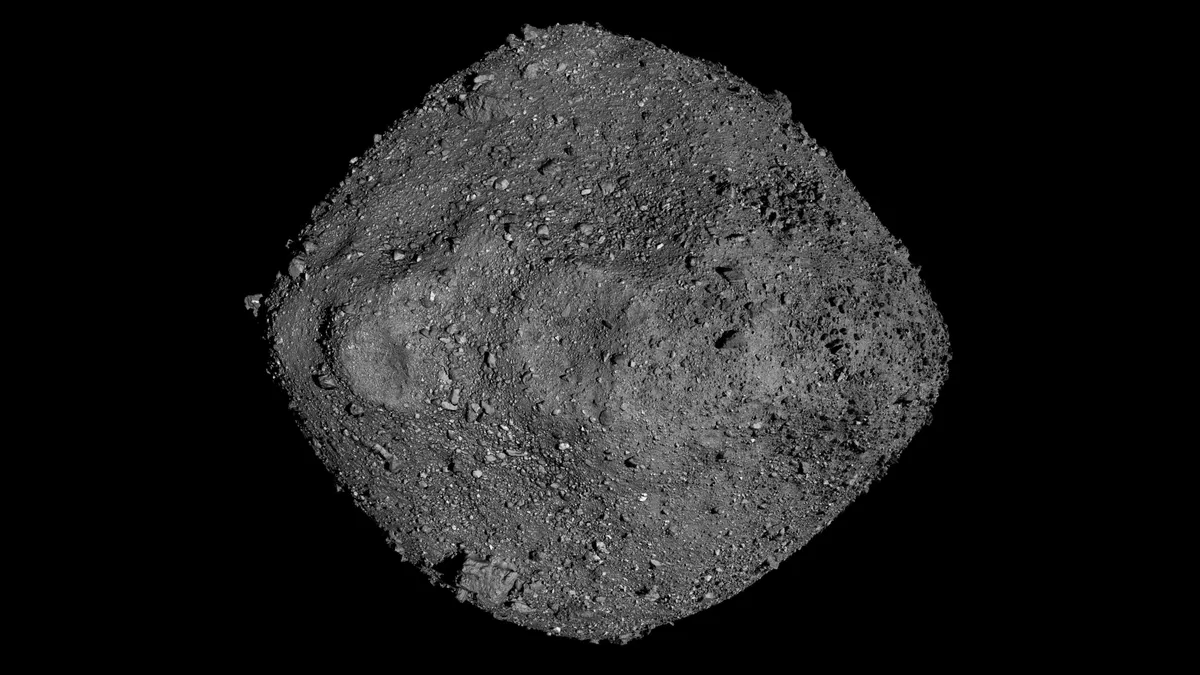
The near-Earth asteroid Bennu contains stardust that is older than the solar system and clues about its violent history, three new studies of the asteroid’s sample materials show.

Many key crops, such as wheat, barley, and legumes, have been traced to the Fertile Crescent and the harvesting of wild grains by a people known as the Natufians, roughly 10,000 years ago. Now, a new study by an interdisciplinary research team shows that, by at least 9,200 years ago, people as far north and east as southern Uzbekistan were harvesting wild barley using sickle blades as well.

The research, published in PLOS One, proposes that the beginnings of urban civilisation in ancient Mesopotamia were driven by the dynamic relationships between rivers, tides and sediments at the head of the Persian Gulf.

Our new study, published in the journal Australian Archaeology, is the first archaeological research undertaken on the Great Papuan Plateau. The findings continue to undermine the historical Eurocentric idea that early Indigenous societies in this region were static and unchanging.
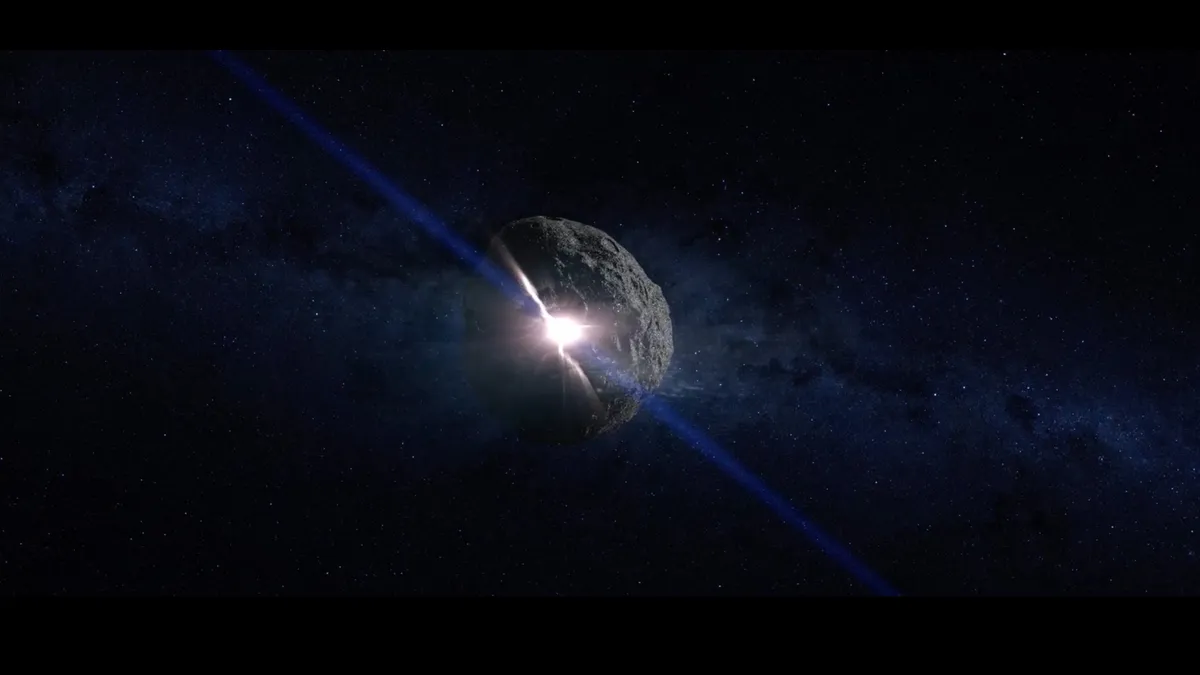
New data from the James Webb telescope suggests that Bennu and Ryugu — two asteroids recently visited by sample-return missions — are both fragments of a single massive “parent”. See the findings in a new study, published Aug. 18 in The Planetary Science Journal.
War God: Night of Sorrows
Get your copy of War God: Vol III
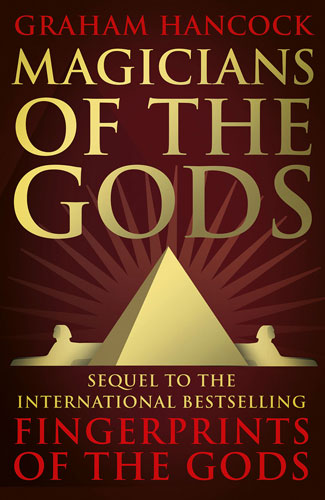
Magicians of the Gods
Get your copy of Magicians of the Gods: