
Ancient news stories

Studying nearly 1,000 moai statues, Binghamton University Professor of Anthropology Carl Lipo and the University of Arizona’s Terry Hunt found that the people of Rapa Nui likely used rope and “walked” the giant statues in a zig-zag motion along carefully designed roads. The paper is published in the Journal of Archaeological Science.

Researchers Magnus Pharao Hansen and Christopher Helmke from the University of Copenhagen have presented a possible solution to the mystery in an article published in Current Anthropology.
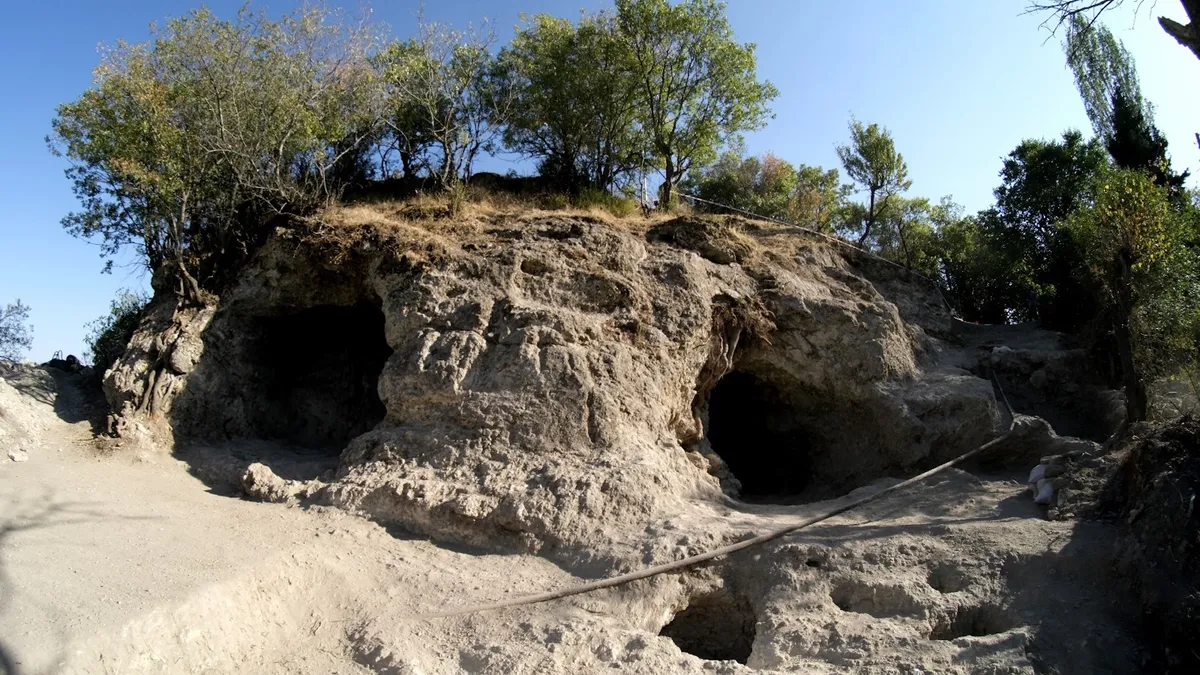
The temple may have been dedicated to a mother goddess worshipped by many cultures, including the Greeks and the Romans.

An international group of researchers have discovered that birds on opposite sides of the planet produce almost identical ‘whining’ calls when beset by parasitic birds. The findings from this study have been published in Nature Ecology & Evolution.

In a recent study by Dr. Sawada and his colleagues published in Scientific Reports, 183 human bones were surveyed, of which 52 were found to be worked human bones, all of which belong to the Neolithic Liangzhu culture.

The finding “suggests that humans inhabited the land bridge region soon after it was exposed,” the researchers wrote in the study, which was published in the September issue of the journal Quaternary Science Advances.

he results of the study “Dynamics of early agriculture—multivariate analysis of changes in crop cultivation and farming practices in the Rhineland (Germany) between the 6th and early 4th millennium BCE” have been published in the Journal of Archaeological Science.

A fresh look at data collected by NASA’s Cassini probe nearly two decades ago has revealed new, complex organic molecules on Saturn‘s icy moon Enceladus – pointing to tantalizing chemistry taking place deep beneath its hidden ocean. The research has been published in Nature Astronomy.
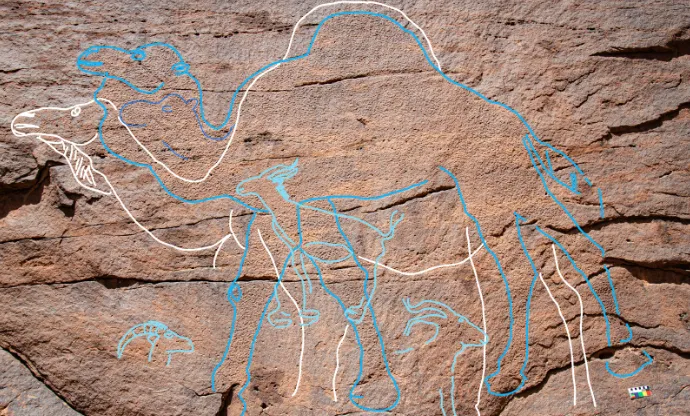
Archaeologists in Saudi Arabia have discovered hundreds of rock art engravings that were carved by humans more than 12,000 years ago. The study was published Tuesday (Sept. 30) in the journal Nature Communications.

This marks the first time in the world that nets from over 6,000 years ago have been digitally and physically resurrected in such detail. The research is published in the Journal of Archaeological Science.
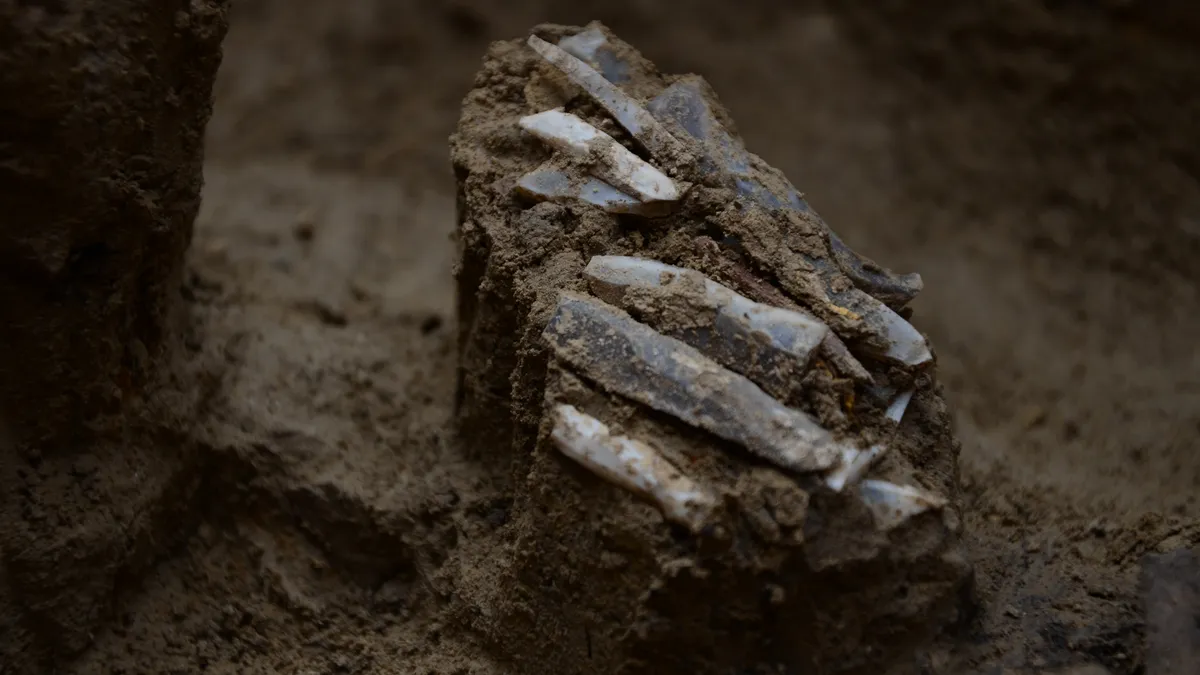
Archaeologists have found an extraordinary cluster of Stone Age artifacts that may have been the personal gear of a single prehistoric individual. The study was published Aug. 13 in the Journal of Paleolithic Archaeology.

In a new discovery that illuminates new insights into the early prehistoric origins of art and creativity, researchers have identified the earliest known use of blue mineral pigment in Europe.
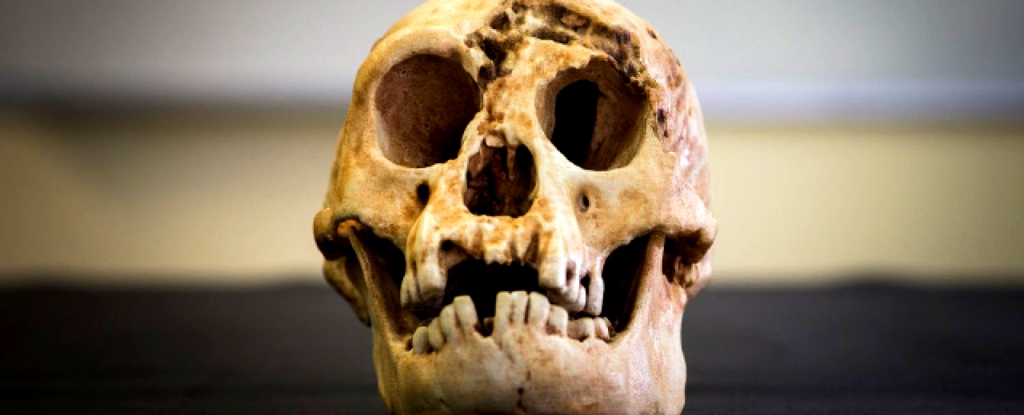
Until Homo floresiensis was discovered, scientists assumed that the evolution of the human lineage was defined by bigger and bigger brains….But these theories had to be thrown out the window when archaeologists announced our fossil cousins Homo floresiensis via scientific publication in 2004…new research on the skulls and teeth provides a novel theory for how the Hobbits evolved to be small.

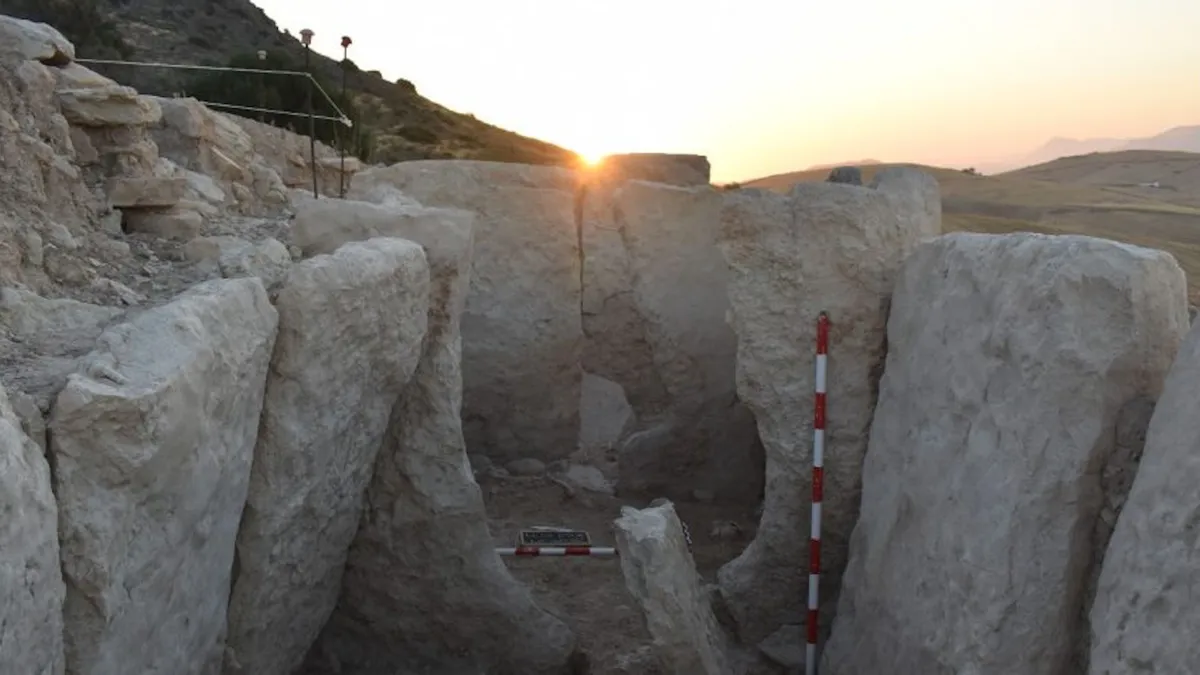
Archaeologists in Spain have discovered a 5,000-year-old stone monument that holds multiple burials and many grave goods, including weapons.

A cloud of dust escapes from an excavation site in the sand of Chad’s arid north, where scientists are looking for signs of human habitation in an area once humid and called the “Green Sahara.”
War God: Night of Sorrows
Get your copy of War God: Vol III


Magicians of the Gods
Get your copy of Magicians of the Gods: