Ancient news stories

Silverpit crater off Yorkshire coast was caused by cathedral-sized asteroid that set off 100-metre tsunami 43m years ago. The findings are published in Nature Communications.

Glass strewn across southern Australia has been revealed to be the remnants of a previously unknown asteroid impact which happened about 11 million years ago (mya)…The specimens analysed in the new study in Earth and Planetary Science Letters are ‘tektites’…

The findings, published in The Journal of Island and Coastal Archaeology, unveil a previously undocumented Paleolithic presence in Ayvalık and more importantly could redocument our species’ migration into the continent.
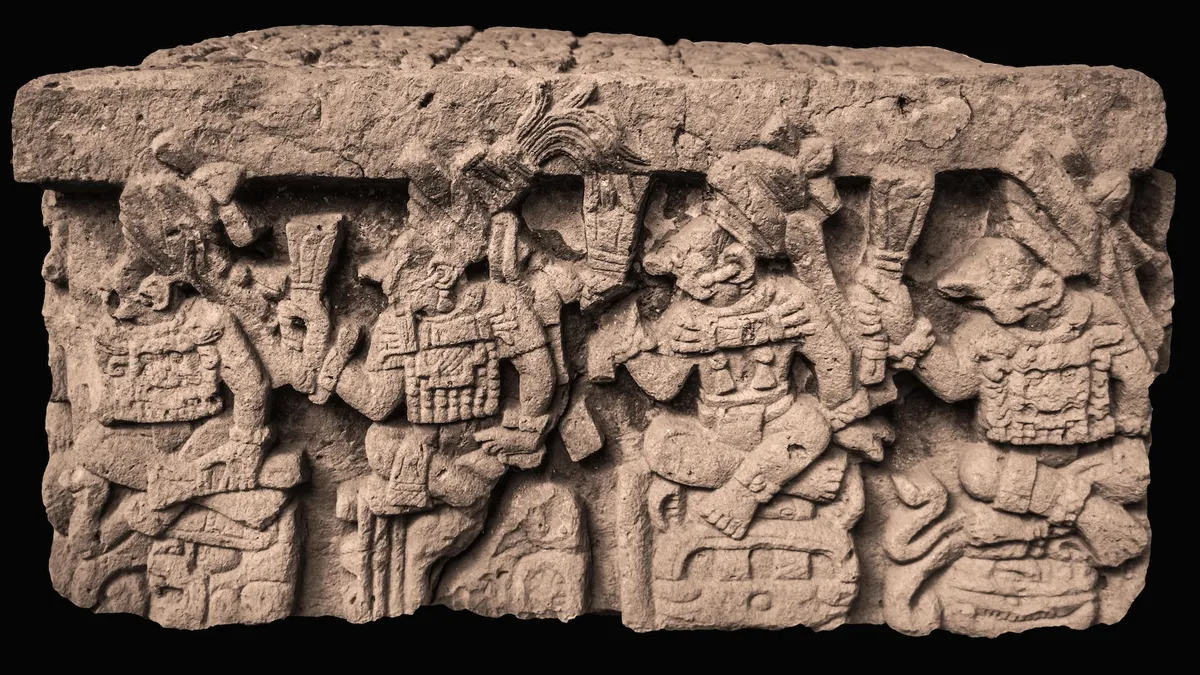
A well-known Maya stone carving known as Altar Q, located at the site of Copán in Honduras, may use hand signs to represent key dates in the Maya Long Count Calendar, a new study claims.

On remote islands of Papua New Guinea, people carry a story that ties us all back to our deepest roots. Although their striking appearance once puzzled scientists, new genetic evidence shows they share a common ancestry with other Asians, shaped by isolation, adaptation, and even interbreeding with mysterious Denisovans. Yet, their unique history — marked by survival bottlenecks and separation from farming-driven booms — leaves open questions about the earliest migrations out of Africa and whether their lineage holds traces of a forgotten branch of humanity.

Reporting in PLOS One, UC Santa Barbara Emeritus Professor of Earth Science James Kennett and collaborators present their findings of shocked quartz—grains of sand deformed by extreme pressures and temperatures—at three classic Clovis culture archaeological sites in the United States: Murray Springs in Arizona, Blackwater Draw in New Mexico and Arlington Canyon in California’s Channel Islands.

Scientists have discovered what’s thought to be the oldest known mummies in the world in southeastern Asia, dating back up to 12,000 years. A new study published Monday in the journal Proceedings of the National Academy of Sciences pushes that timeline back.
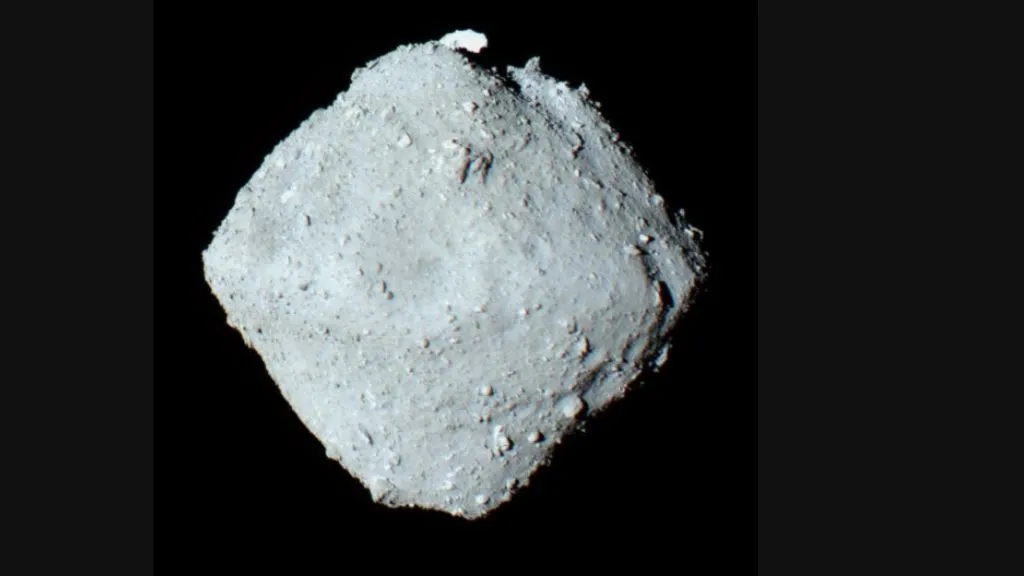
A new analysis of asteroid Ryugu hints that the “potentially hazardous” space rock once had flowing water in its core, possibly leftover from the impact that created it. The new study was published Sept. 10 in the journal Nature.
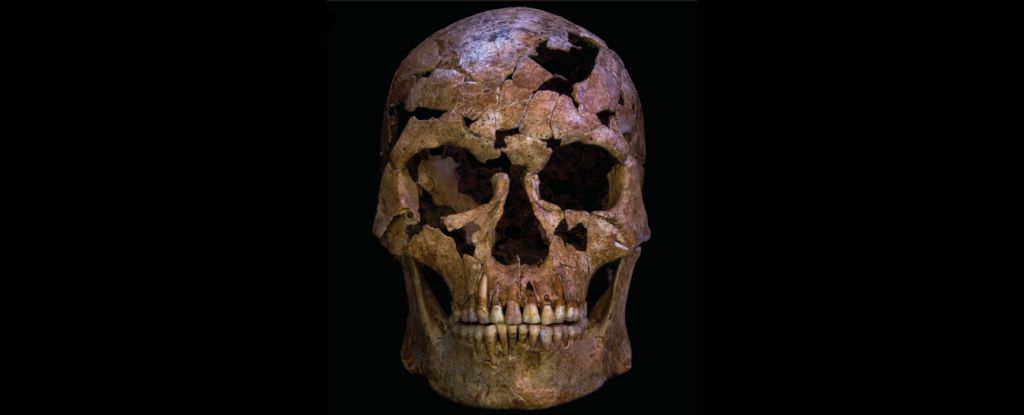
Ancient bones discovered in a cave in Vietnam could belong to one of the world’s earliest known victims of homicide. The research has been published in the Proceedings of the Royal Society B.

Researchers have discovered that women and children were just as likely as men to be buried with stone tools at a Stone Age grave site, challenging the assumption that such tools were associated only with men. The full analysis of the burial site has been published in PLOS One.
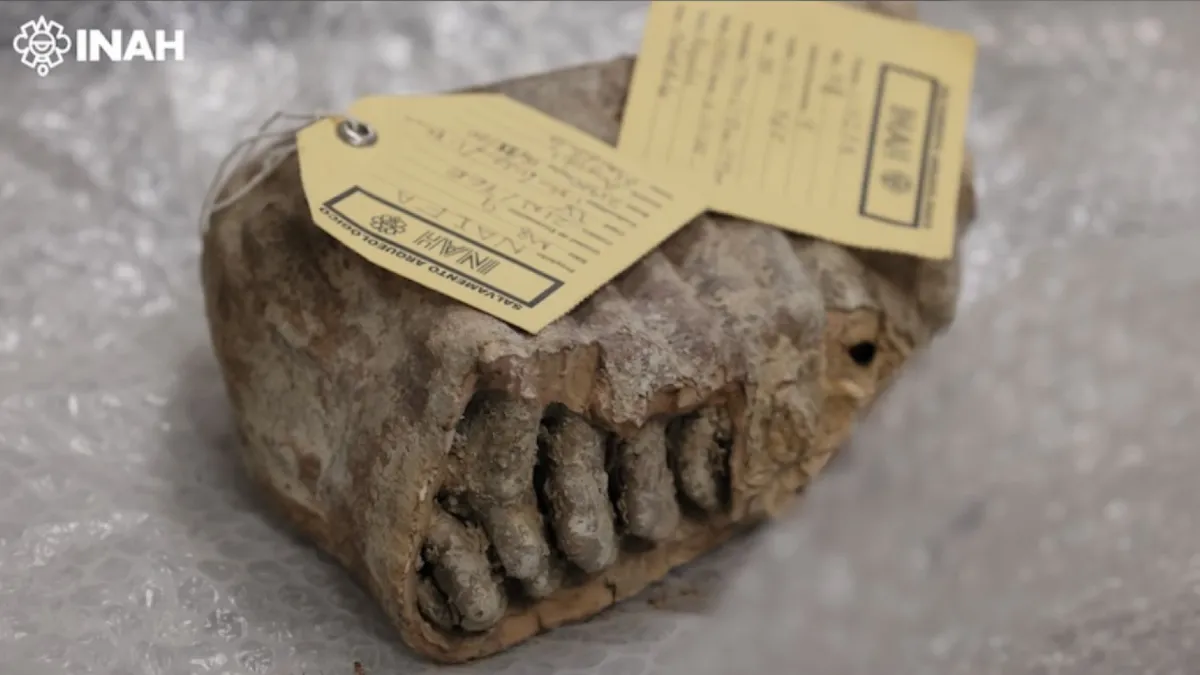
Columbian mammoths in Mexico are genetically different from those in the U.S. and Canada, surprise DNA study reveals. The research was published Aug. 28 in the journal Science.

Anthropologist Lee Berger and his team at the University of the Witwatersrand, working within the Rising Star cave system in South Africa, have published their most extensive evidence yet of deliberate burial by Homo Naledi, a small brained hominin that walked the Earth with several current modern human cousins over 240,000 years ago.
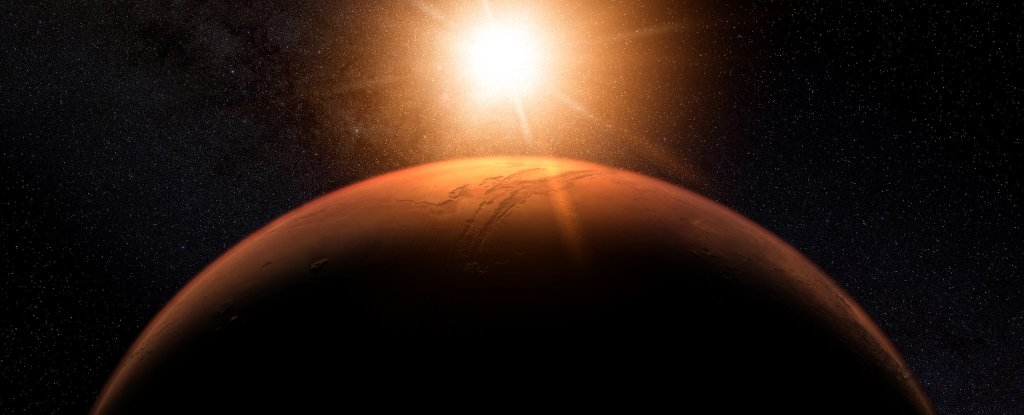
Data collected from the Perseverance rover last year has just delivered what might be the best evidence yet for microbial life on Mars. The research has been published in Nature.
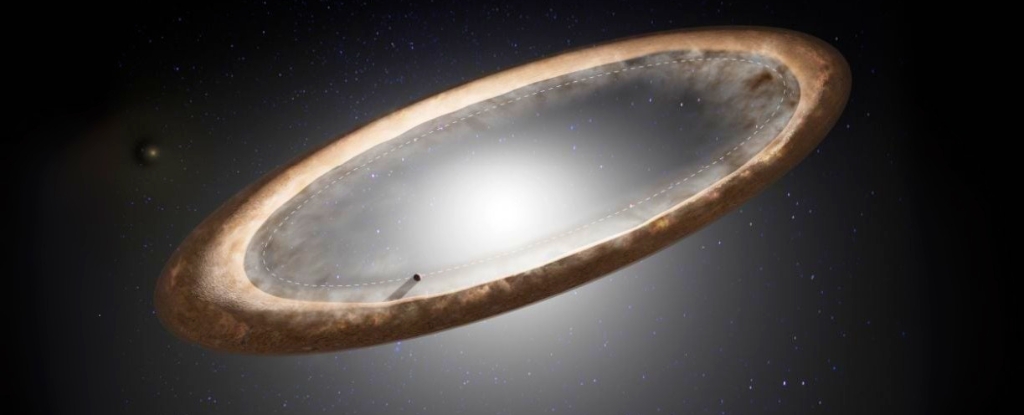
Fomalhaut is one of the brightest stars in the night sky and is about 25 light-years away, making it a galaxy amenable to detailed observations. It’s also a young star, only about 440 million years old.

Knowledge about the first settlements of Homo sapiens in the interior of the Iberian Peninsula at the beginning of the Upper Paleolithic has been significantly advanced with a new study led by Edgar Téllez, a researcher at the Centro Nacional de Investigación sobre la Evolución Humana (CENIEH). The findings are published in the journal Quaternary Science Advances.
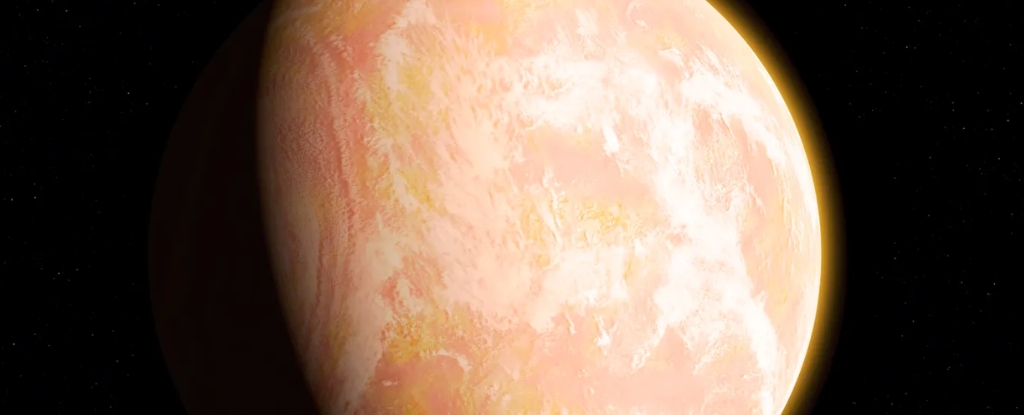
In a new study, researchers from the University of Bern showed for the first time how the chemical composition of primordial Earth was complete three million years after it formed (ca. 4.5 billion years ago). Their results imply that the ingredients for life (water, carbon compounds, sulfur, etc.) were introduced later, likely by an impact.
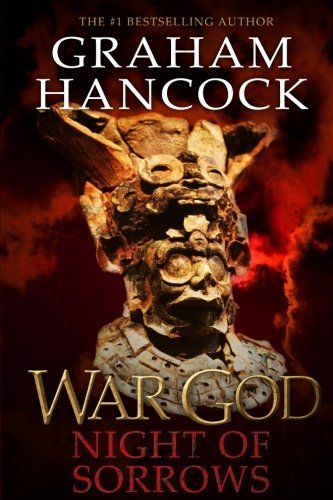
War God: Night of Sorrows
Get your copy of War God: Vol III
Magicians of the Gods
Get your copy of Magicians of the Gods: