Space news stories
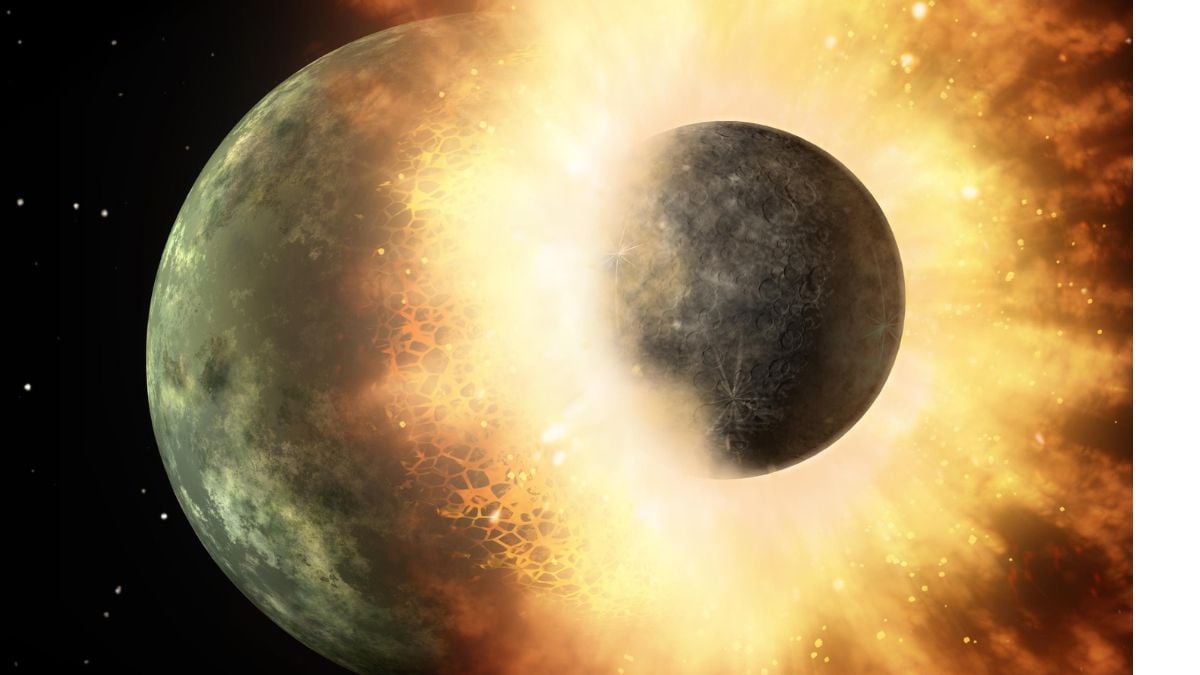
Our Solar System may once have housed an extra world that no longer exists. This long-lost world may have been almost as big as Mars before it suffered a cataclysmic end. This research was published in Earth and Planetary Science Letters.
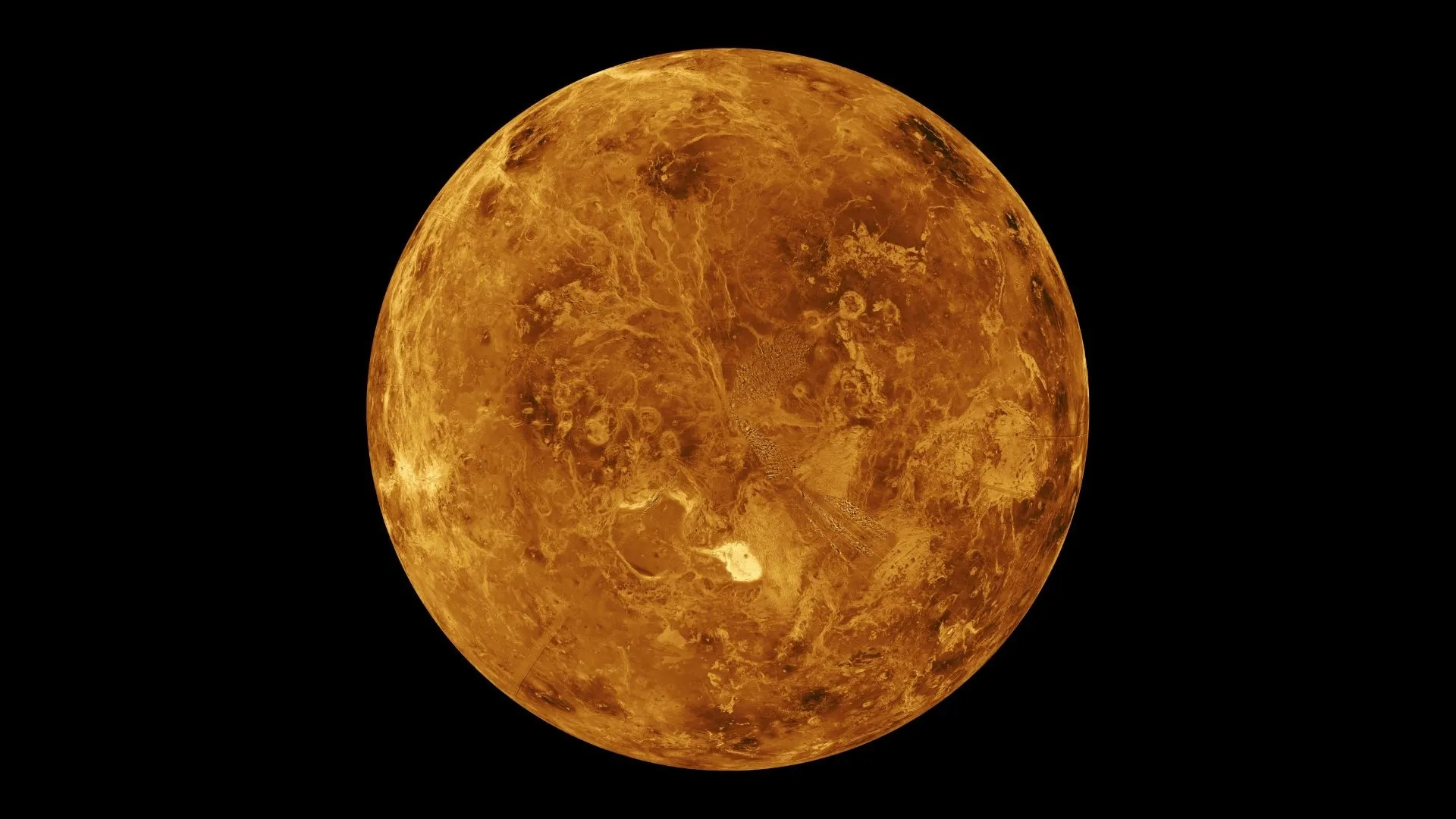
Bizarre Venus surface formations (or coronae) are likely key to understanding our twin planet’s heretofore inscrutable interior. Using NASAMagellan spacecraft data from decades past, Anna Gulcher, an earth and planetary scientist at Germany’s University of Freiburg, have created innovative new 3D models of the largest coronae to better understand Venus’ puzzling geodynamics
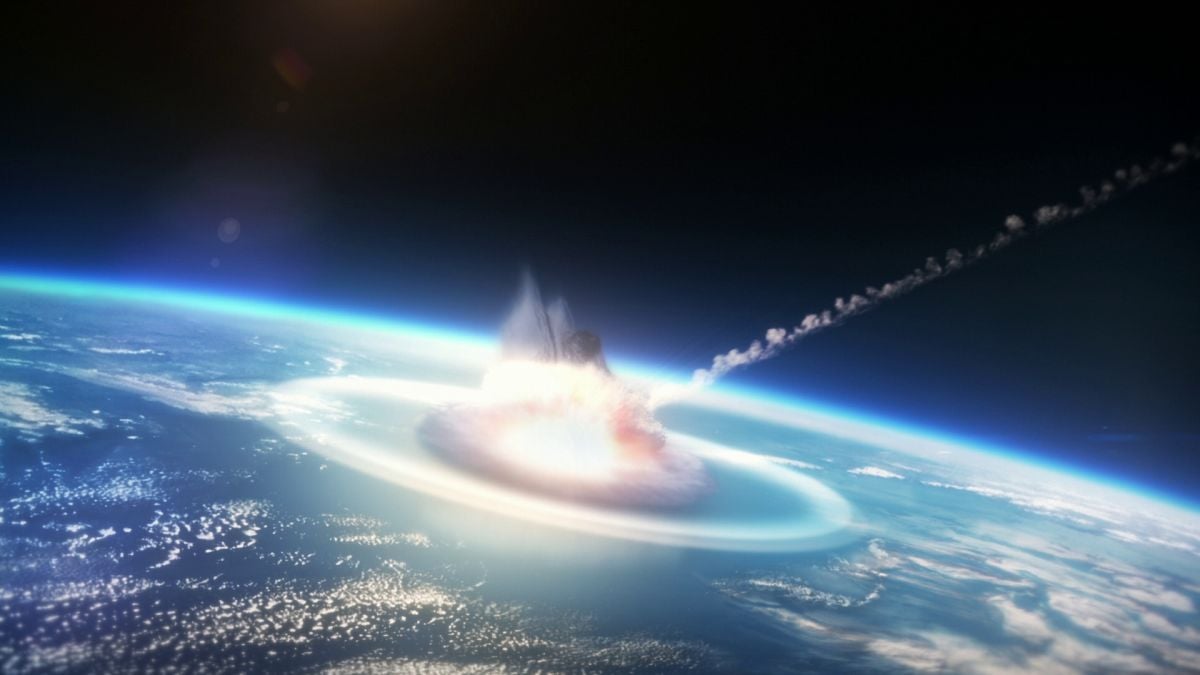
A new discovery in South Korea suggests that the asteroid effect may have been even more complex than we realized. The research has been published in Communications Earth & Environment.
The Pentagon on Friday released an initial group of previously secret files documenting reports of UFOs – a move sought for decades by some…Among the highlights is Apollo 11 astronaut Buzz Aldrin, the second man to walk on the moon, telling a 1969 debrief of seeing a “sizeable” object close to the lunar surface, and a “fairly bright light source” the crew felt could be a laser.
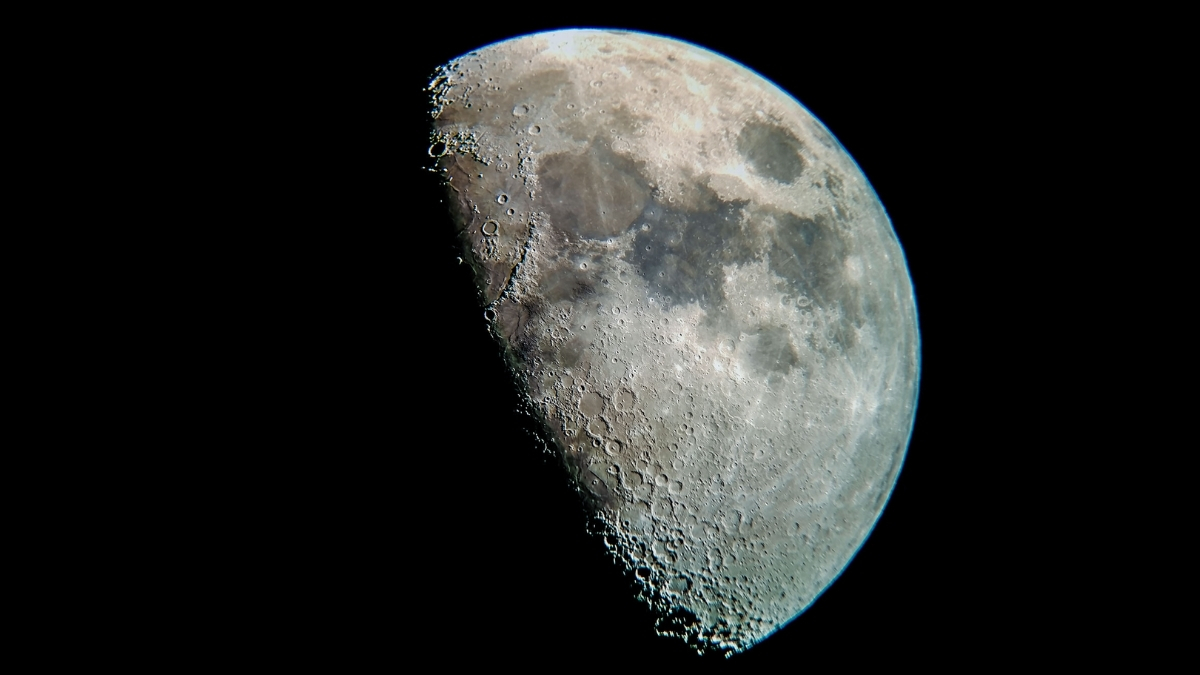
A half century after NASA’s Apollo 17 lunar module lifted off the Moon’s northeastern near side quadrant, planetary scientists still don’t completely understand when or how our Moon first formed.

Astronomers have discovered 27 new potential planets that orbit two stars, like the fictional desert planet Tatooine from the Star Wars universe.
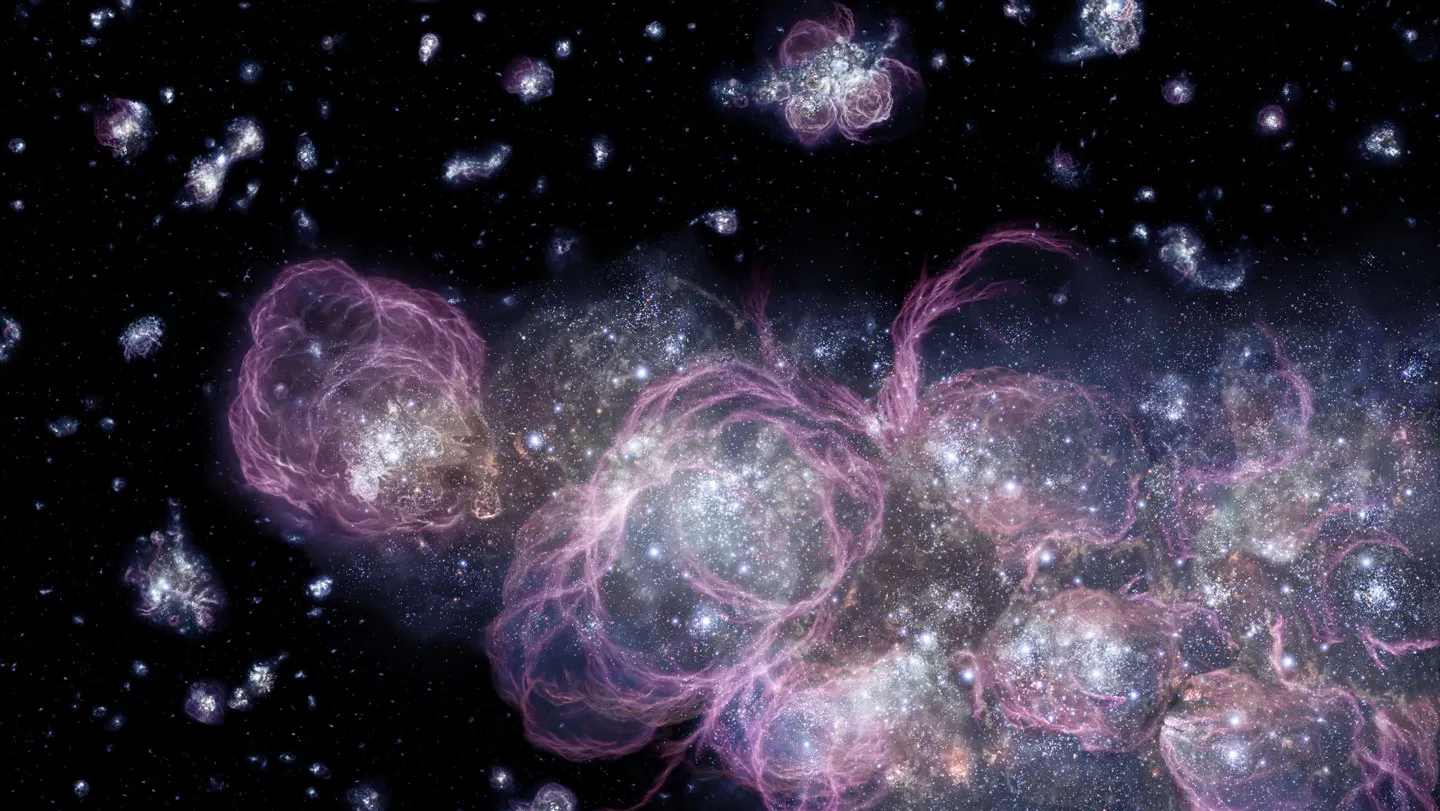
There’s a new contender for the universe’s earliest first-generation stars. A bright clump seen about 450 million years after the Big Bang has the chemical hallmarks of first-generation stars — notably that it appears to have no elements heavier than helium. This identification, reported in a trio of papers submitted on March 20 to arXiv.org, pushes the evidence for these pristine stars much earlier than for previous candidates.

Nasa’s Curiosity rover has detected organic molecules on Mars, including chemicals widely considered building blocks for the origin of life on Earth.
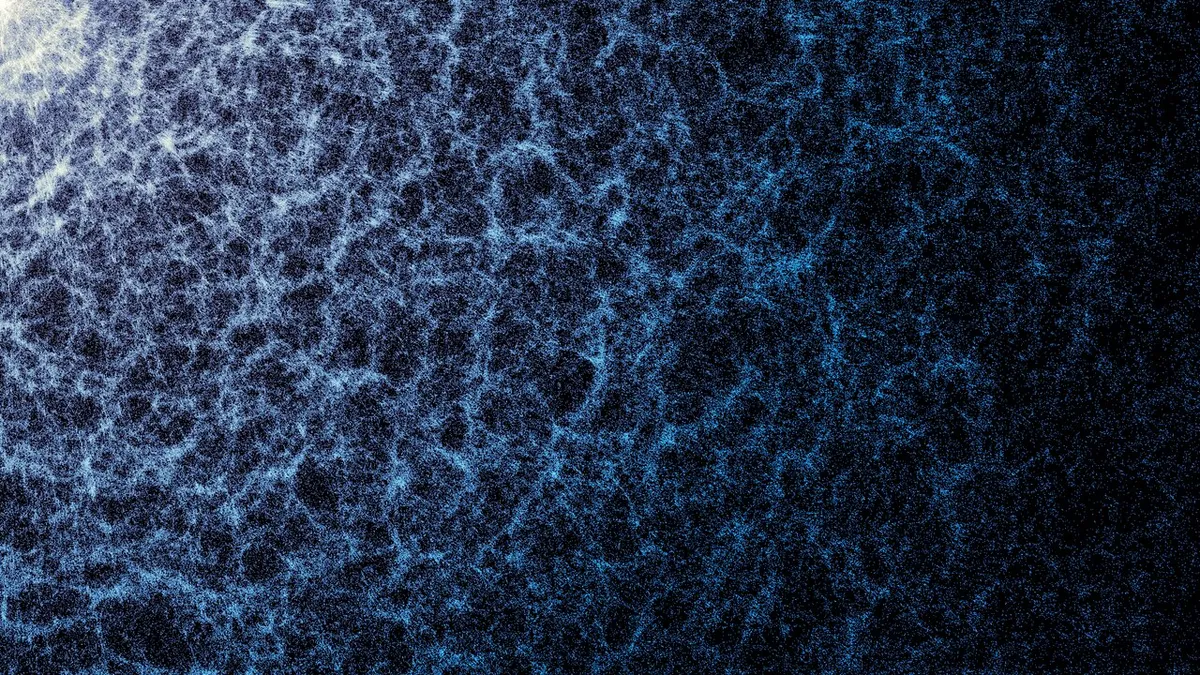
This snapshot is just a small part of one of the most comprehensive and spectacular views yet of the universe — a web-like structure formed by millions of galaxies, stretching back to near the dawn of time.
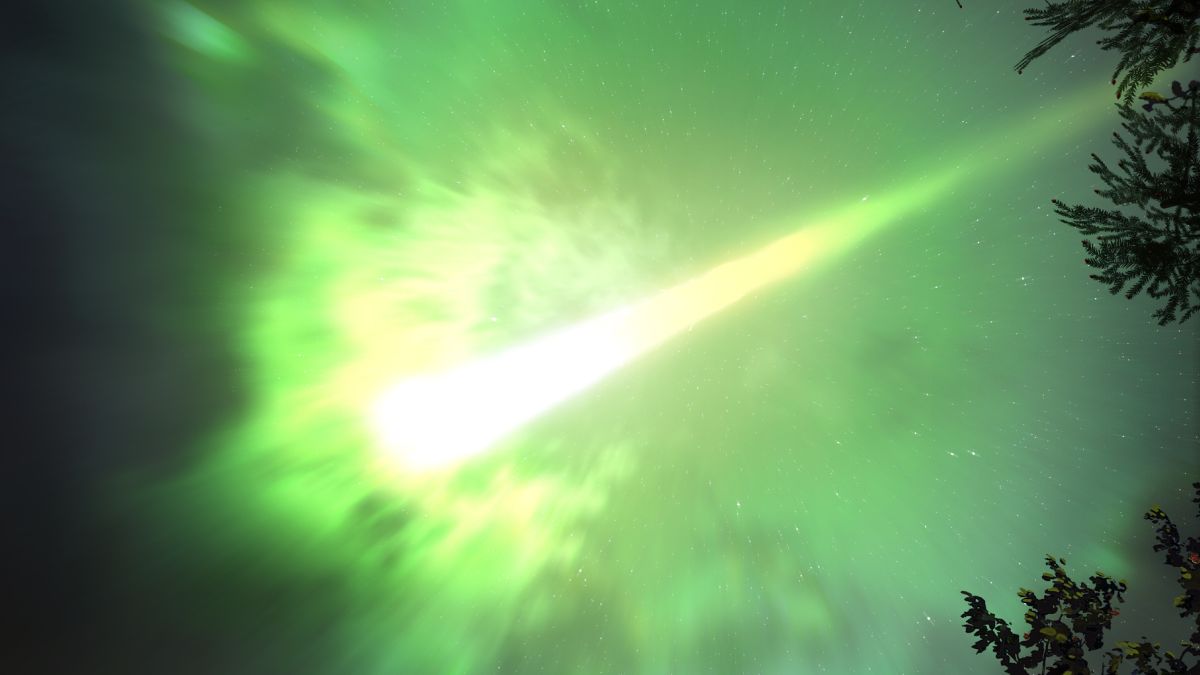
A strange chunk of metal that lay hidden in the soil for thousands of years may shed new light on one of the most mysterious cultures in ancient China. The approximately 3,000-year-old Sanxingdui artifact appears to be an axe-like object made of iron – which likely came to Earth from space in the form of a meteorite.

Astronomers have identified a planet composed of molten lava, suggesting the existence of an entirely new category of liquid planet. The distant world, known as L98-59d, is about 1.6 times the size of Earth and orbits a small red star 35 light years away.
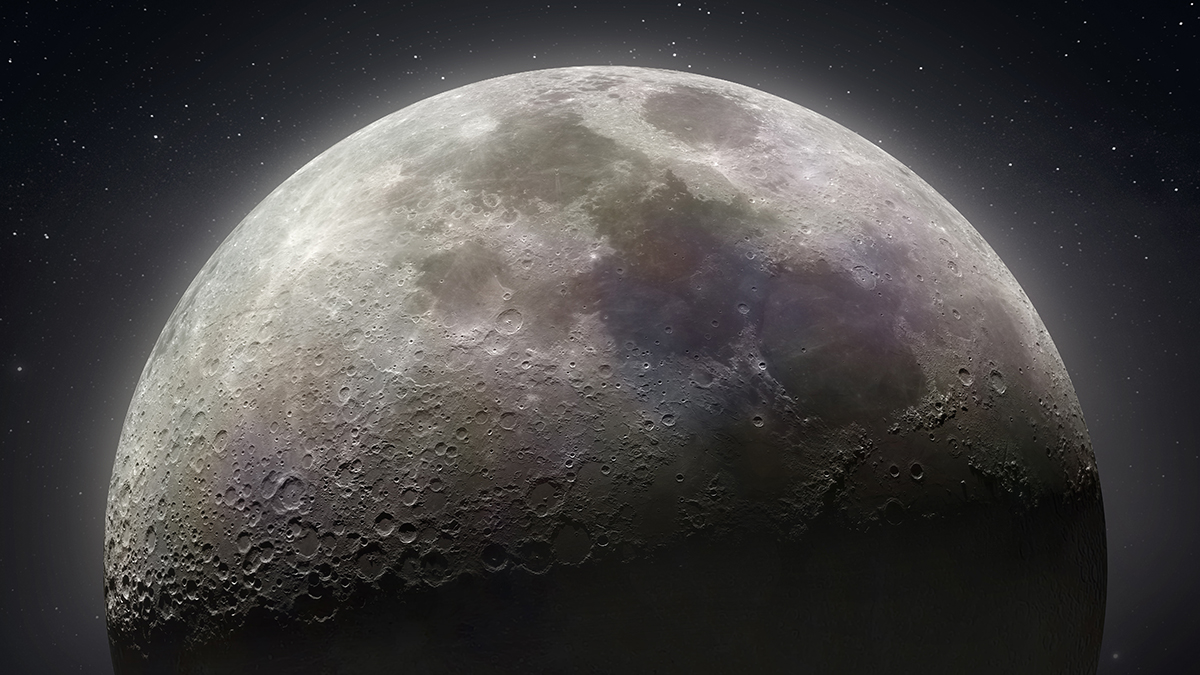
A new study may have solved a long-standing mystery about the Moon’s magnetism: Why do lunar rocks brought back by the Apollo missions show evidence of an intense magnetic field sometimes rivaling or exceeding that of Earth today? The research has been published in Nature Geoscience.
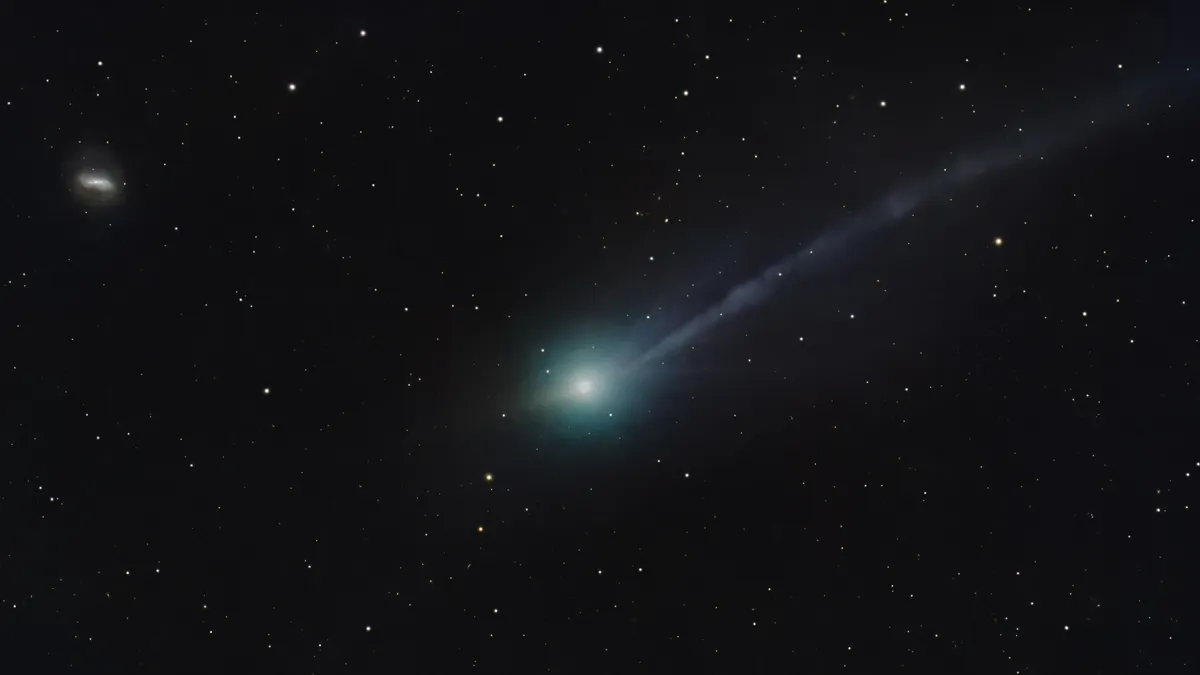
The comet formed in a cold and distant part of the early Milky Way up to 12 billion years ago, potentially putting it just under 2 billion years the age of the universe.

Comet 3I/ATLAS continues to make astonishing headlines, thanks to new findings from astronomers using the Atacama Large Millimeter/submillimeter Array (ALMA). This new research reveals that 3I/ATLAS is packed with an unusually large amount of the organic molecule methanol—more than almost all known comets in our own solar system. The findings are posted on the arXiv preprint server.
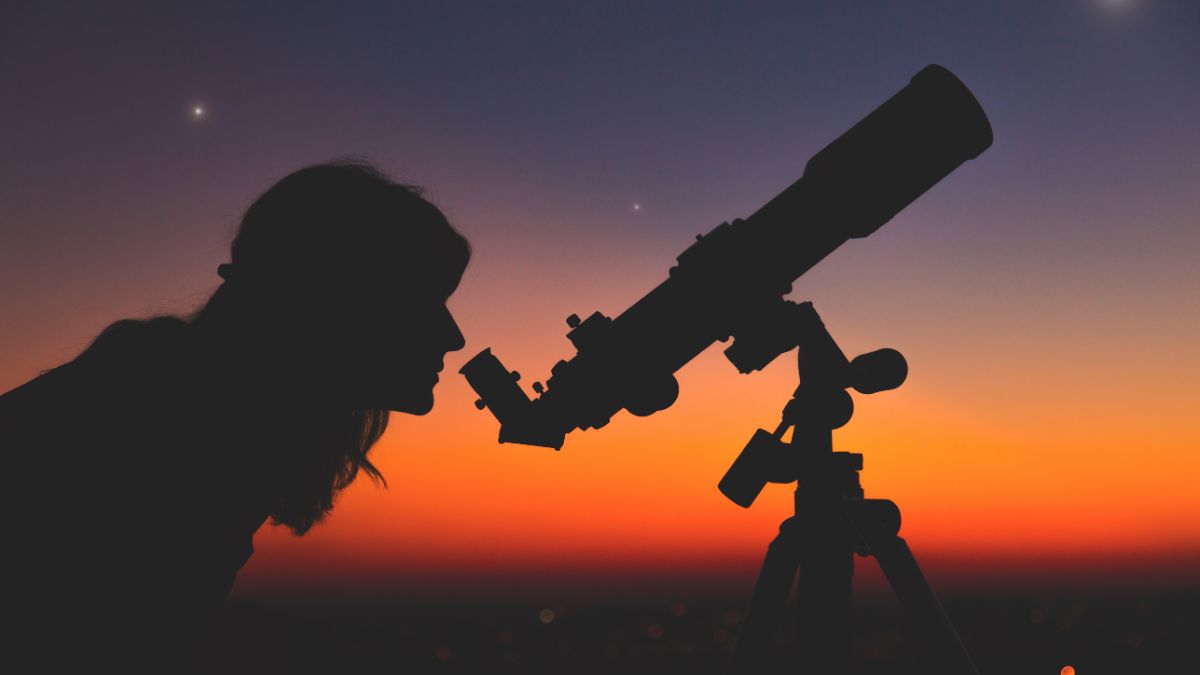
Six planets are linking up in the sky at the end of February, and most will be visible to the naked eye. It’s what’s known as a planetary parade, which happens when multiple planets appear to line up in the sky at once.
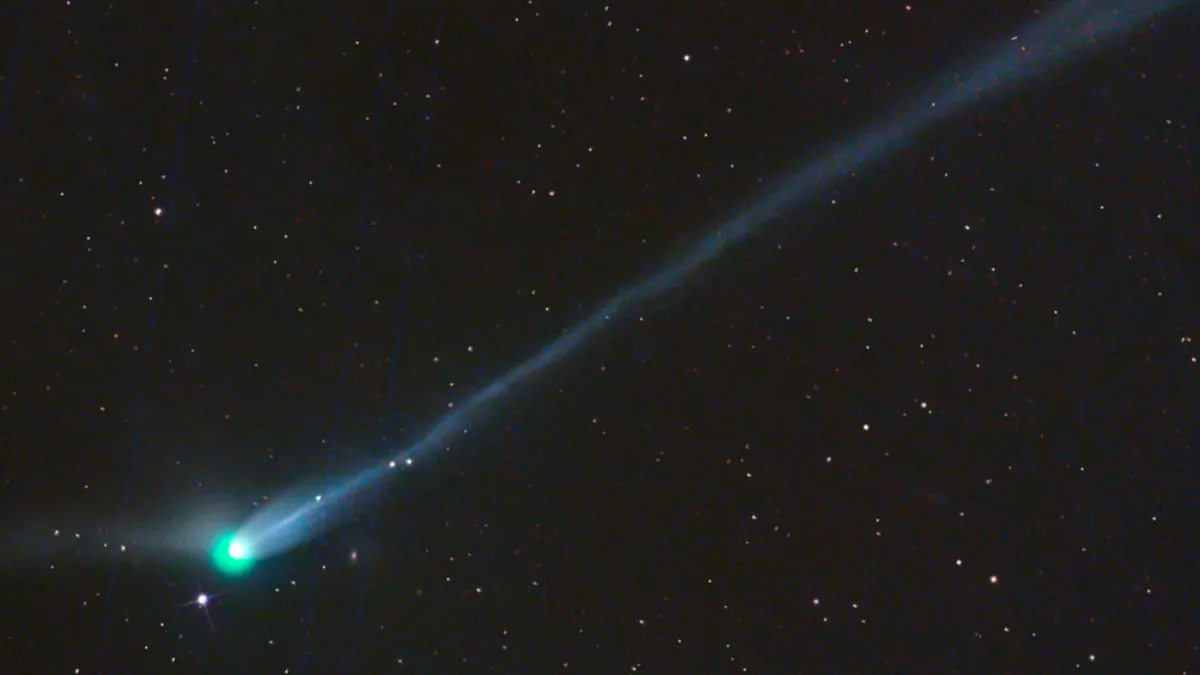
Comet Wierzchoś, also known as C/2024 E1, is rapidly brightening as it approaches its closest point to Earth next week. But experts predict it will eventually be thrown out of the solar system forever, just like the “alien” comet 3I/ATLAS.
War God: Night of Sorrows
Get your copy of War God: Vol III
Magicians of the Gods
Get your copy of Magicians of the Gods: