
Humans news stories
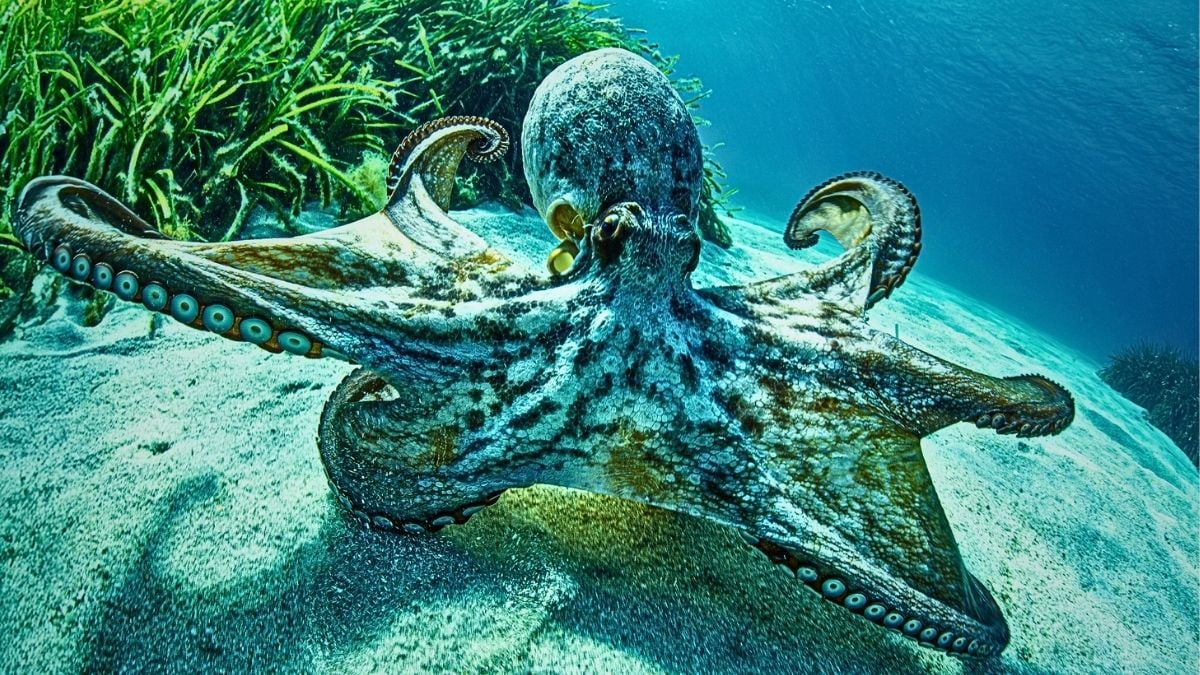
The authors of a new study published in iScience propose that cephalopods may be evidence that something else is the dominant driver of brain size.
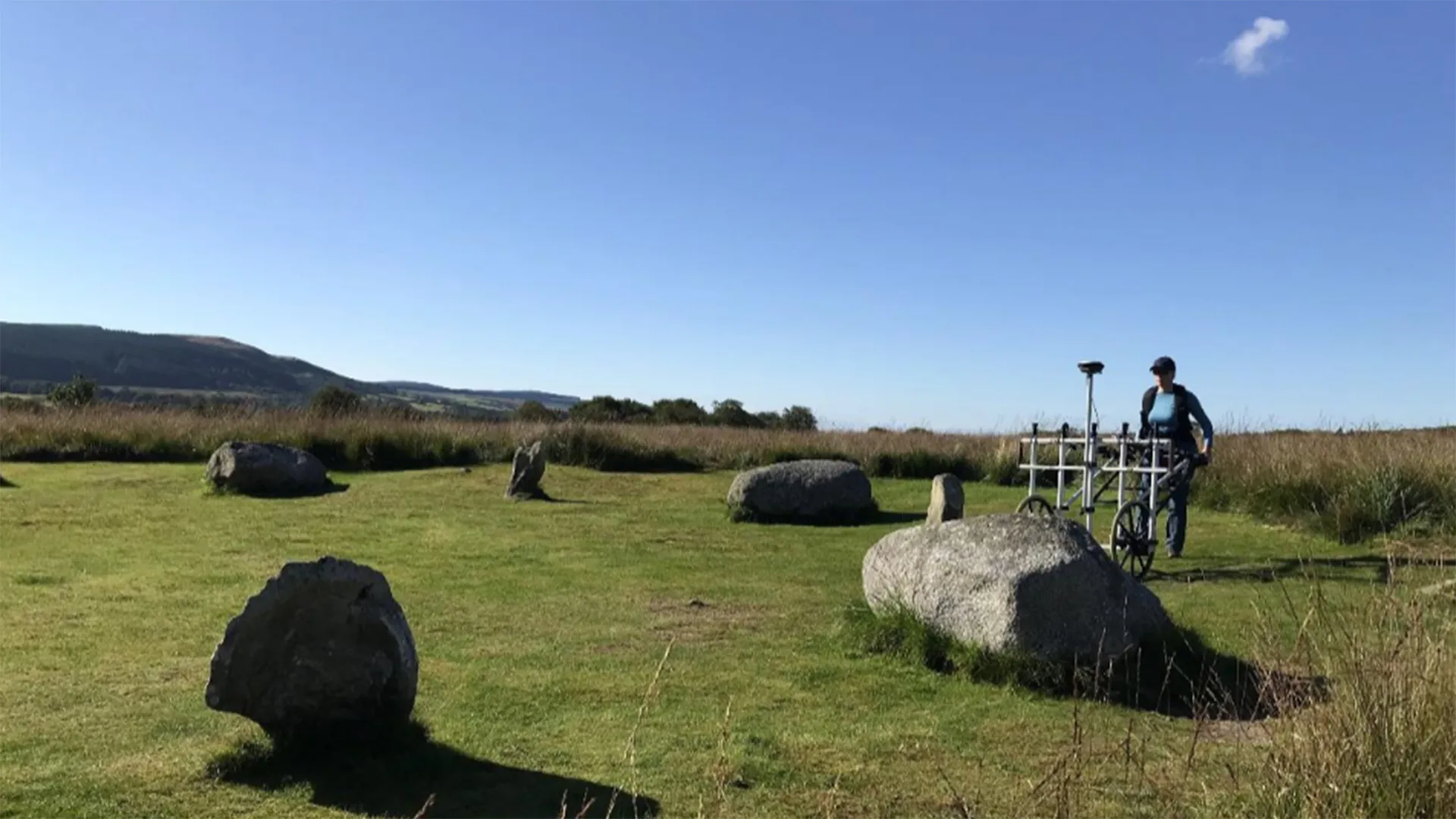
A hidden ring of stones or timbers detected beneath peat at Machrie Moor could represent a previously unknown Neolithic or Bronze Age monument.

Tens of thousands of years ago, Homo sapiens coexisted with Neanderthals, Homo neanderthalensis. Many of us living today carry a small amount of Neanderthal DNA, indicating that the two species may have shared much more than just the same land. Now, a breakthrough archaeological discovery has revealed that the two species did not merely cross paths: they possibly shared a common culture that spanned more than 20,000 years. The paper is published in the journal Proceedings of the National Academy of Sciences.
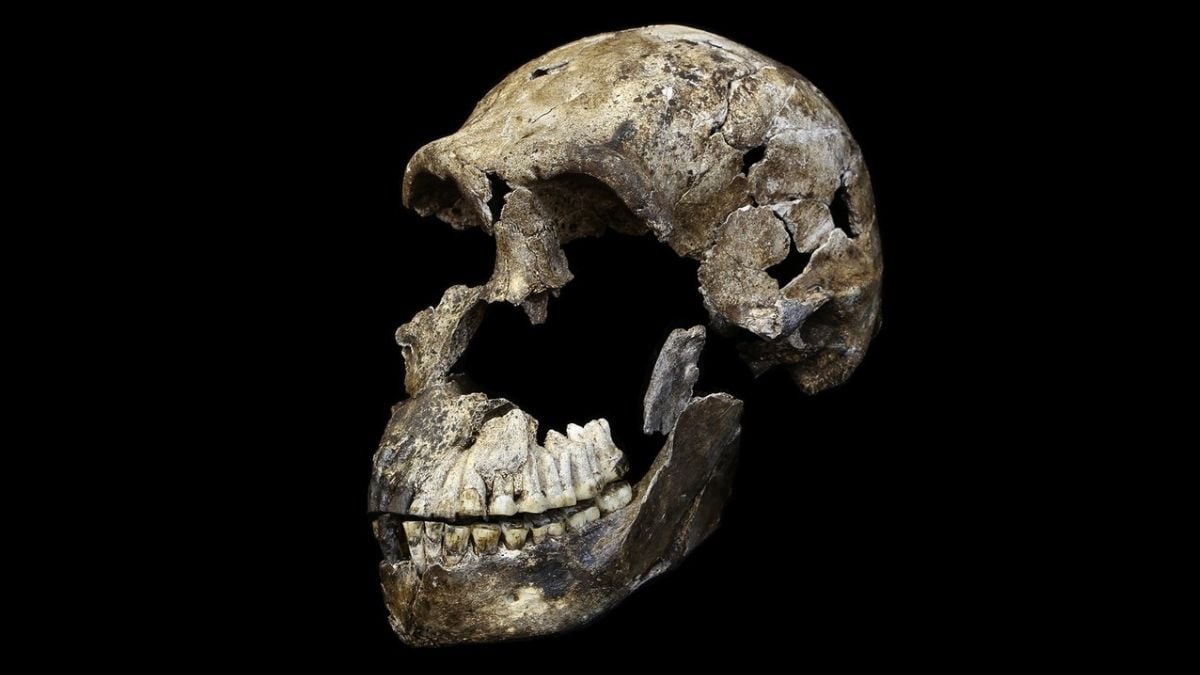
At first, 15 individuals were found inside the Rising Star cave system. Now, archaeologists have specimens of at least 20 of these ancient humans, who lived between 236,000 and 335,000 years ago. A new examination of the ancient proteins preserved in their teeth suggests that the site is surprisingly lacking in males and may even be an all-female site. The research was published in Cell.

The discovery was made near the Giant’s Ring, just outside Belfast, during a community archaeology excavation led by Brian Sloan from Queen’s University. The site came to the team’s attention after they saw aerial photography highlighting several crop marks that extended farther than previously thought.

Roughly 27,500 years ago, a 15-year-old boy was brutally mauled by a bear in Arene Candide in what is now Liguria, Italy. The attack tore through his jaw, neck and left shoulder. He was dying, but he was not alone in his final moments.
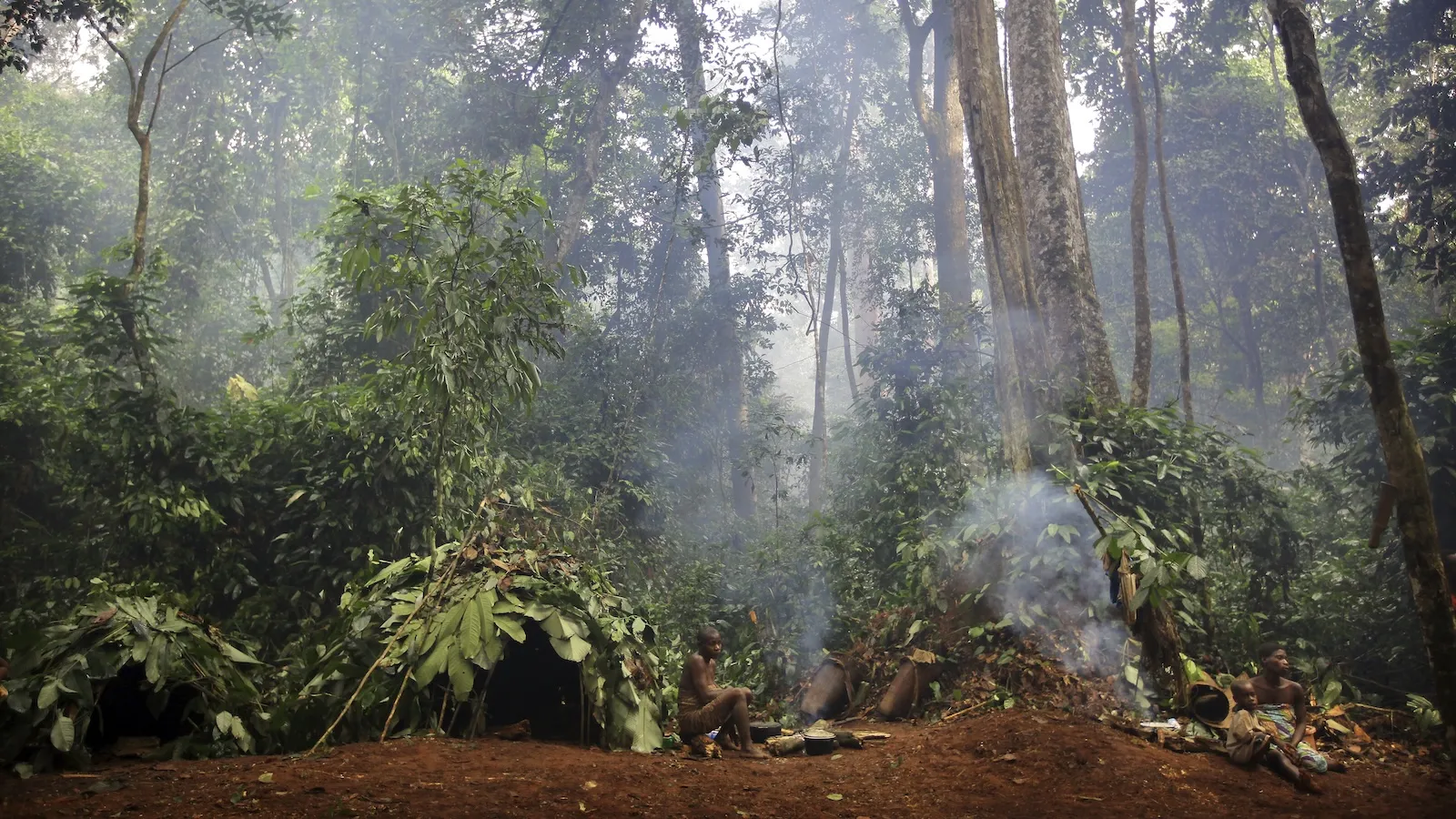
The long-held idea that rainforests held a minor role in our species’ evolution is changing — and our ability to adapt to these tropical areas may give insight about ‘what it means to be uniquely human.’

A new study, published in Quaternary Science Reviews, challenges long-held assumptions about how prehistoric hunter-gatherers survived in the Southern Caucasus between 57,000 and 27,000 years ago.

If you consumed a wild mushroom and suddenly started seeing tiny people around you, you might reasonably assume it contained a familiar psychedelic. But that does not appear to be the case with Lanmaoa asiatica, known locally as jian shou qing, a mushroom species sold in markets in Yunnan, southwestern China. The research has been published in Mycologia.

A 5,000-year-old monument that was aligned with the summer and winter solstices and may have served as a prototype for the later solar alignment at Stonehenge has been discovered close to the famous neolithic site, in what archaeologists have described as a “once in a lifetime” find.

The findings, published June 11 in the journal Science, come from the largest-ever map of Denisovan-inherited DNA ever created. The discovery shows that Denisovan DNA “is not just a remnant of ancient liaisons; it continues to influence our biology today.

The RINO project was born from the discovery of unusual marks on rhinoceros teeth recovered from the prehistoric Payre site in France’s Rhône Valley. The study of fossil rhinoceros teeth from this Middle Paleolithic site, dating to around 250,000–130,000 years ago, provides unprecedented evidence that Neanderthals used them as tools.
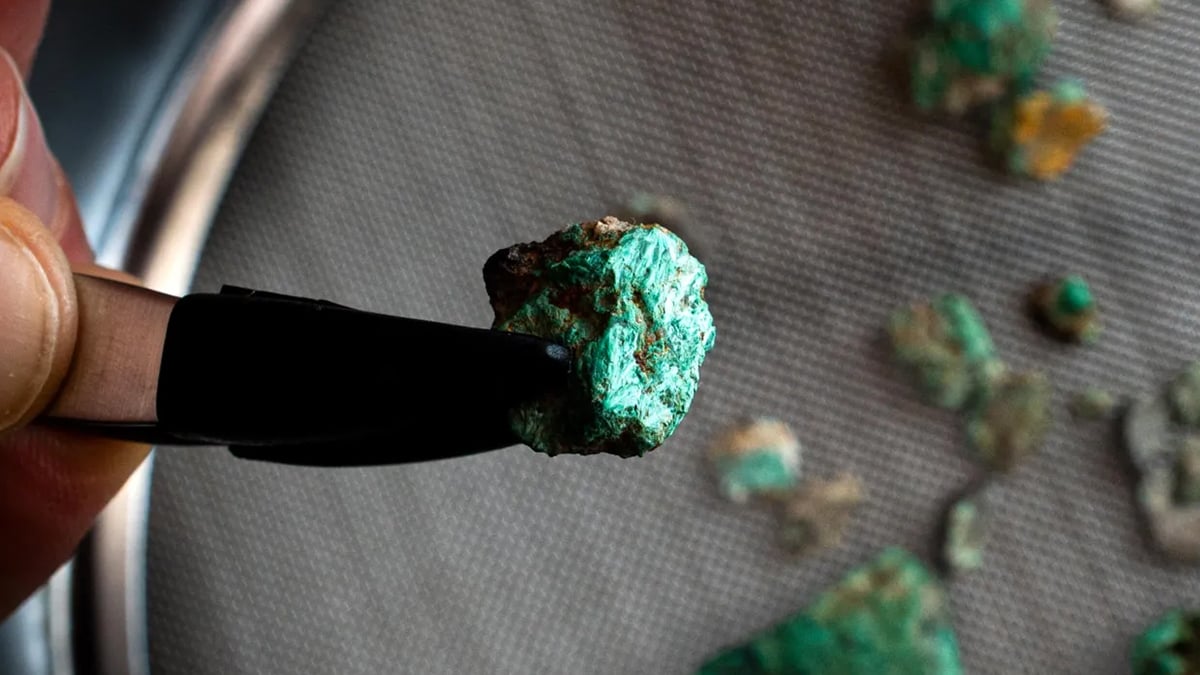
For archaeologists, there’s something wonderfully strange about ‘Cave 338’, high up in the Pyrenees mountains in southwestern Europe. As remote and inhospitable as it is, it seems that prehistoric people returned time and time again to the spot… Now, new research is beginning to shed light on what prompted multiple return trips around 5,500 years ago. The research has been published in Frontiers in Environmental Archaeology.
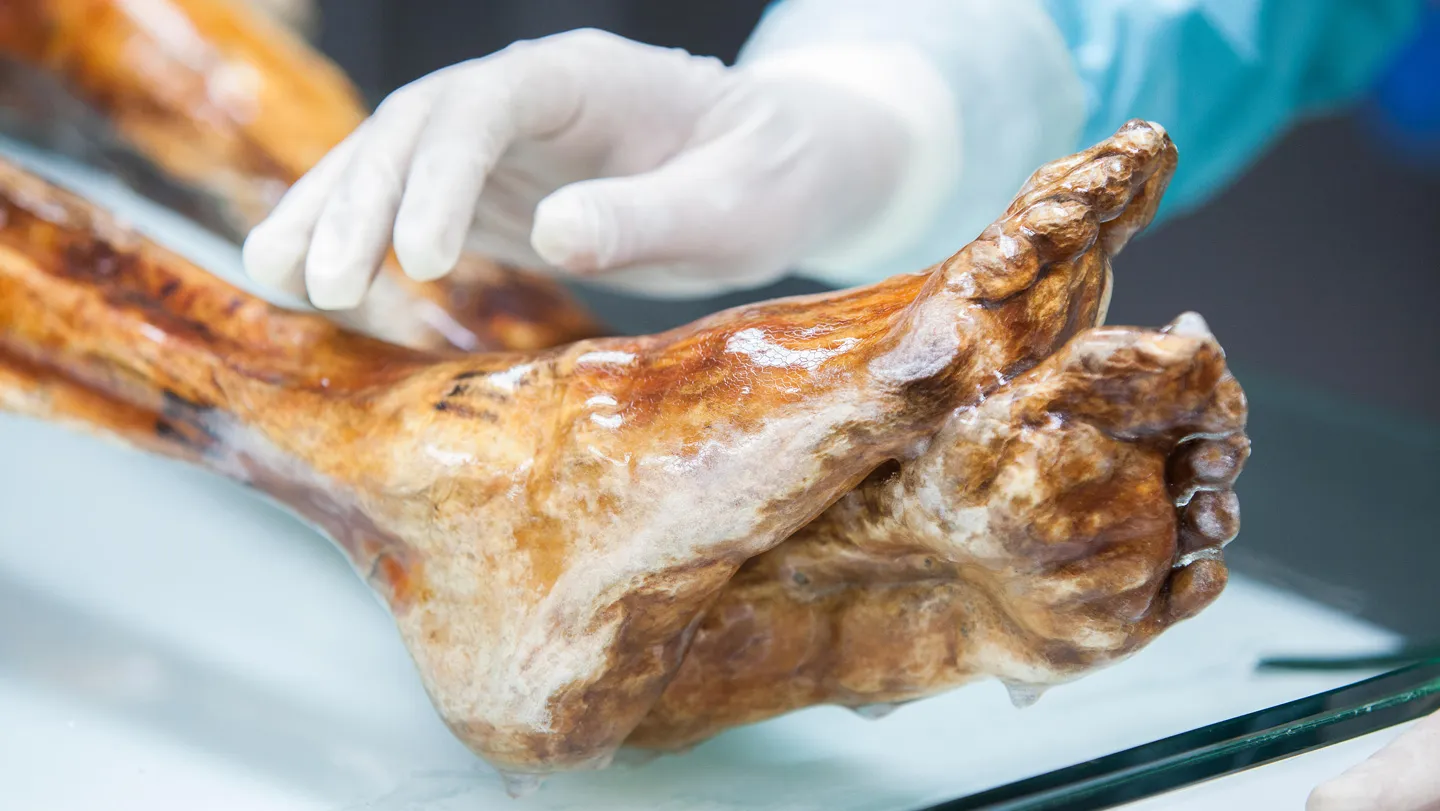
Ötzi the Iceman has long been treated as a frozen messenger from the Copper Age. But his remains might not be completely preserved in time, a new study suggests.

Researchers from the Universitat Autònoma de Barcelona (UAB) have created a database of carbon-14-dated samples that has aided in building a chronological framework of human occupation throughout the Holocene at the Aigüestortes i Estany de Sant Maurici National Park (PNAESM). The study was published in Archeologica Data.
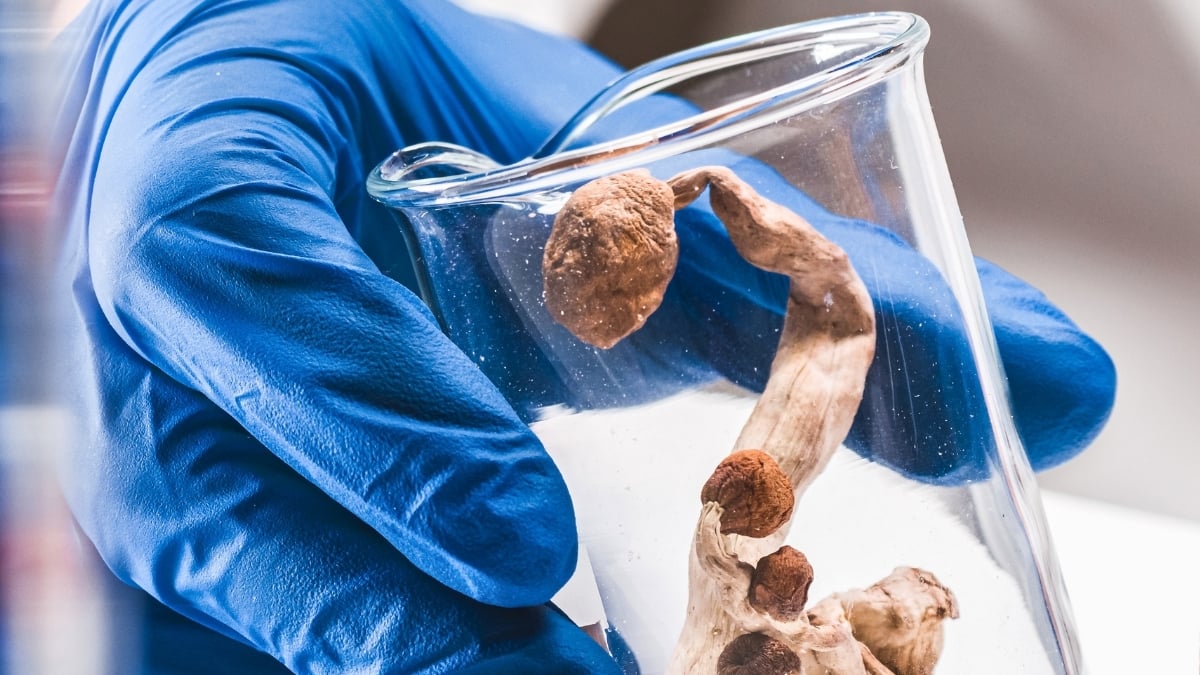
Magic mushrooms are better known for producing hallucinations and altering people’s sense of reality than for treating brain diseases. Most people associate them with tripping, rather than Alzheimer’s disease. But a report on an individual patient has prompted scientists to ask whether psilocybin, the psychedelic compound in magic mushrooms, could have unexpected effects on the aging brain.
War God: Night of Sorrows
Get your copy of War God: Vol III


Magicians of the Gods
Get your copy of Magicians of the Gods: