
Humans news stories
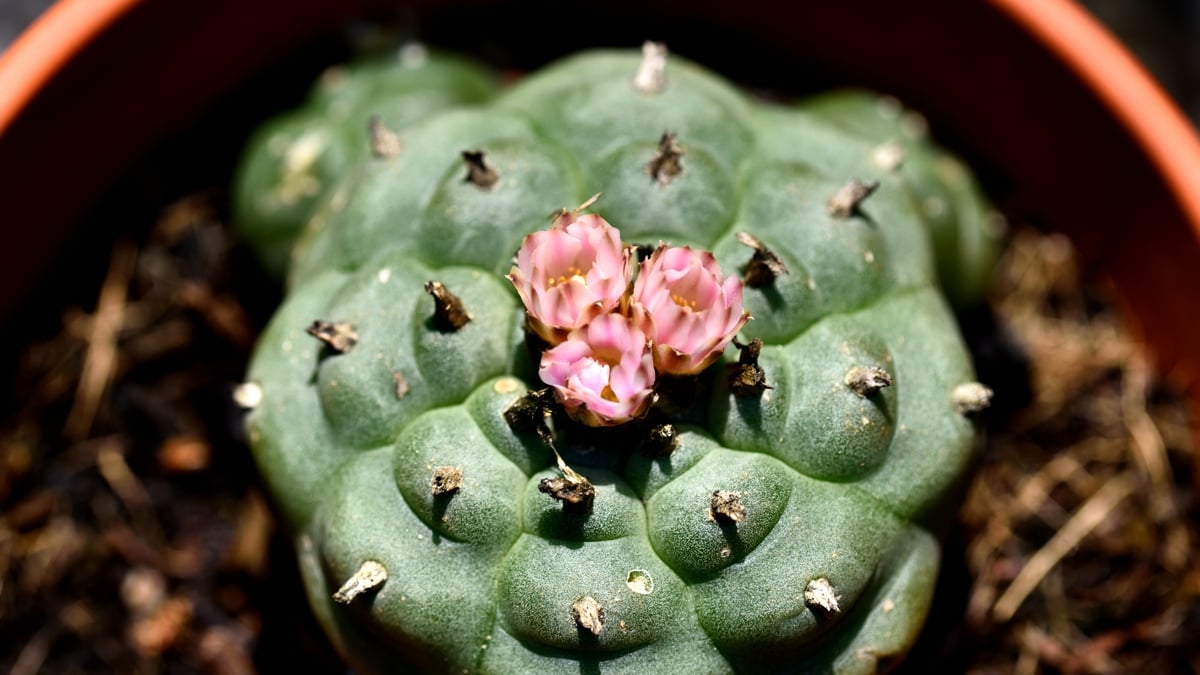
A new study published in Neuroscience Bulletin suggests that mescaline, a chemical found in certain cacti that can cause hallucinations, may alter how the brain responds to incoming sensory information.
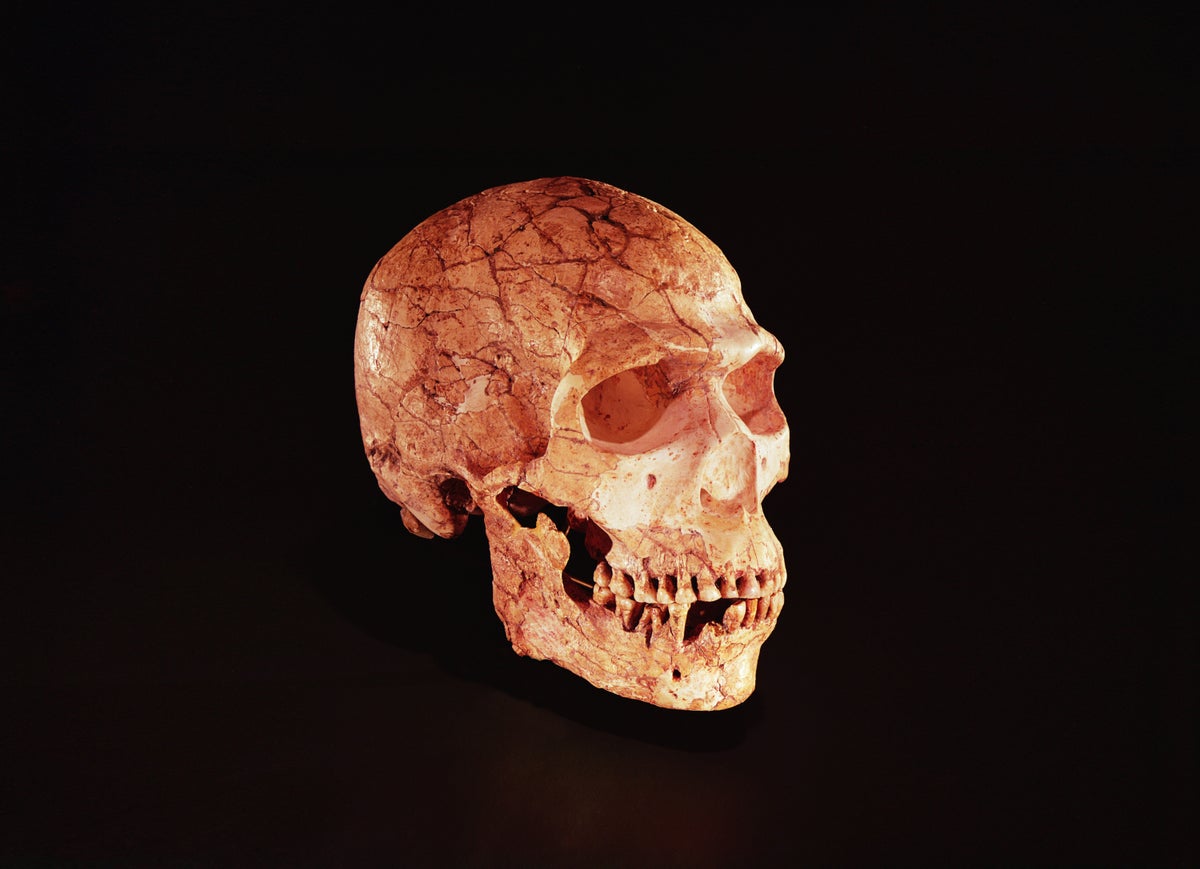
A new skull-based analysis of Neanderthal brains suggests that these ancient hominins’ range of intelligence largely overlapped with our own. The study was published in the Proceedings of the National Academy of Sciences USA.

The GunaiKurnai, an Australian Aboriginal nation, are the acknowledged traditional custodians of Gippsland and the southern Victorian Alps. Within their territory are caves known from 19th-century ethnographic reports and oral traditions to have been settings for magic, healing and cursing rituals by powerful learned women and men called “mulla-mullung,” as well as by other spiritual practitioners. The new study was published in Frontiers in Environmental Archaeology.

Recent scientific exploration into psychedelics provides evidence that these powerful substances can profoundly reshape human brain function and mental health. A wave of new research suggests that lysergic acid diethylamide, widely known as LSD, alters electrical brain rhythms to promote mental flexibility, elevate mood, and even protect against neurological damage.

From the May issue of Frontiers in Neuroscience comes the truly remarkable case study of a woman crippled by Alzheimer’s recovering speech, bladder control, and motor function after a single dose of psilocybin mushrooms.
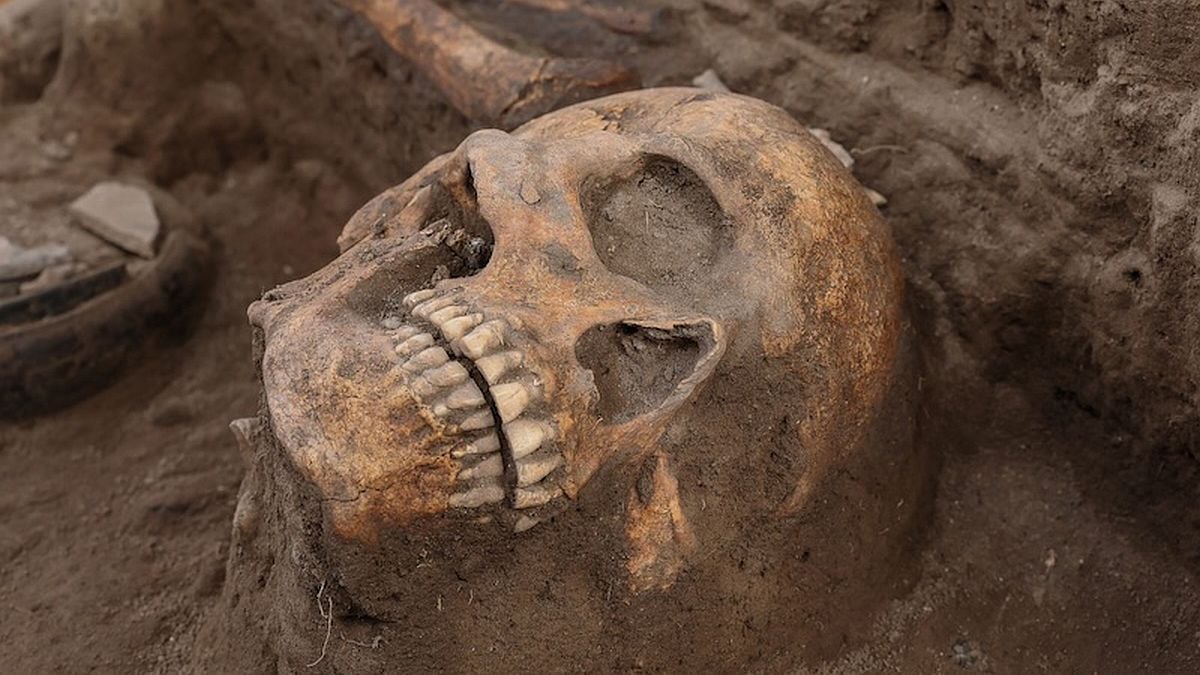
This particular altar, found in the former Toltec capital of Tula – known in Nahuatl as Tollan – and tentatively dated to the city’s Tollan phase between 950 and 1100 CE, gave researchers a macabre surprise.

For decades, scientists have disputed the meaning of the weapons found in the burial chambers of some ancient Egyptian princesses. Were they symbolic or practical tools? Now, a reassessment of five royal women’s mummies from the Middle Kingdom has shown that some princesses buried with weapons could use them. The research was published in Frontiers in Environmental Archaeology
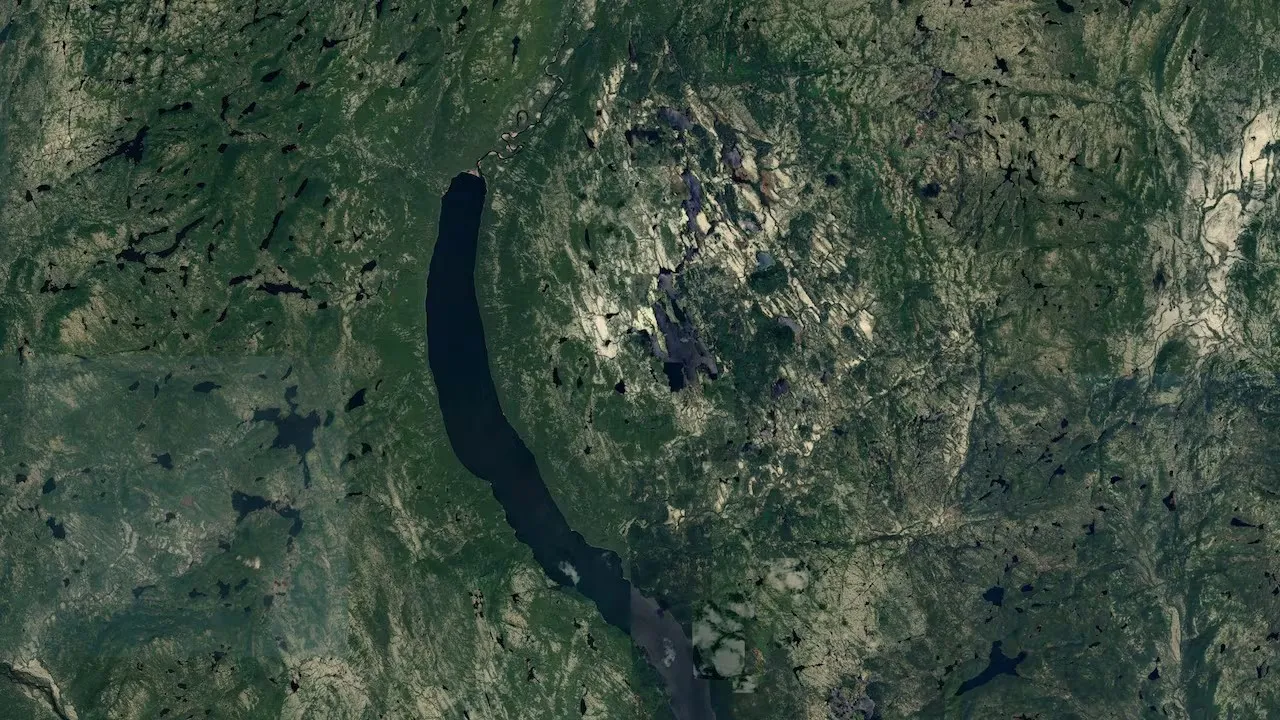
Joël Lapointe was using Google Maps to plan a camping trail through Quebec’s Côte-Nord region when he stumbled across a large indentation. Now, scientists have confirmed that the pit was indeed a meteor impact crater that dates back roughly 390 million years.

The Upton Lovell Shaman, a Bronze Age individual depicted in museum exhibits as a bearded spiritual leader and metalworker, was female, an ancient DNA analysis has revealed. The 4,000-year-old skeleton, along with the extensive collection of stone axes, metalworking tools, and the remains of an elaborate ceremonial cloak found in the grave, is regarded as one of the most significant Bronze Age burials in Britain.

Archaeological work conducted at the Coves del Fem (Ulldemolins, Priorat)—located within the Serra de Montsant Natural Park—between May 30 and June 28, 2026, has yielded important new evidence for understanding the prehistory of the northeastern Iberian Peninsula.

A recent small study analyzes how the psychedelic drug LSD reshapes brain activity. The research shows that the substance boosts widespread neural synchronization while blurring the boundaries between sensory perception and abstract thought. The findings were published in PLOS Computational Biology.

While the possibility that dark matter exists in an extra, hidden dimension has been extensively researched in recent years, scientists at the University of Sheffield have now taken that concept a step further. A new study, published in Physical Review D, proposes a framework to explain how dark matter behaves and why it remains so difficult to detect.

Research published on Thursday has revealed that the humble birds were first domesticated 3,500 years ago, meaning they have been enmeshed in our lives for nearly a millennium longer than previously thought.
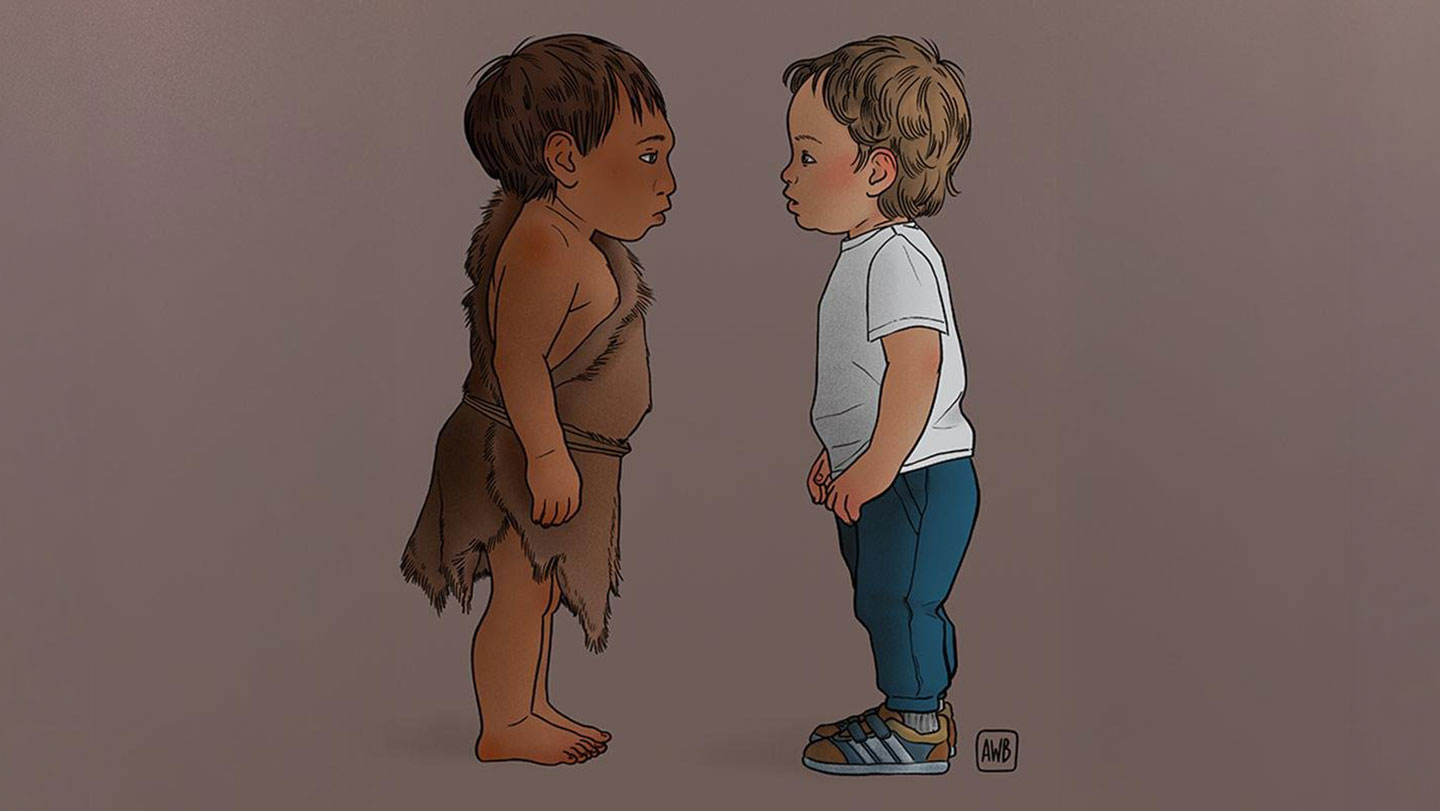
Neandertal babies seem to have started life much the same as modern humans, then grew a lot faster…One study, published June 17 in Royal Society Open Science, looked at the remains of a very young Neandertal child. The other study, published April 15 in Current Biology, examined the remains of a six-month-old Neandertal from a cave in northern Israel.
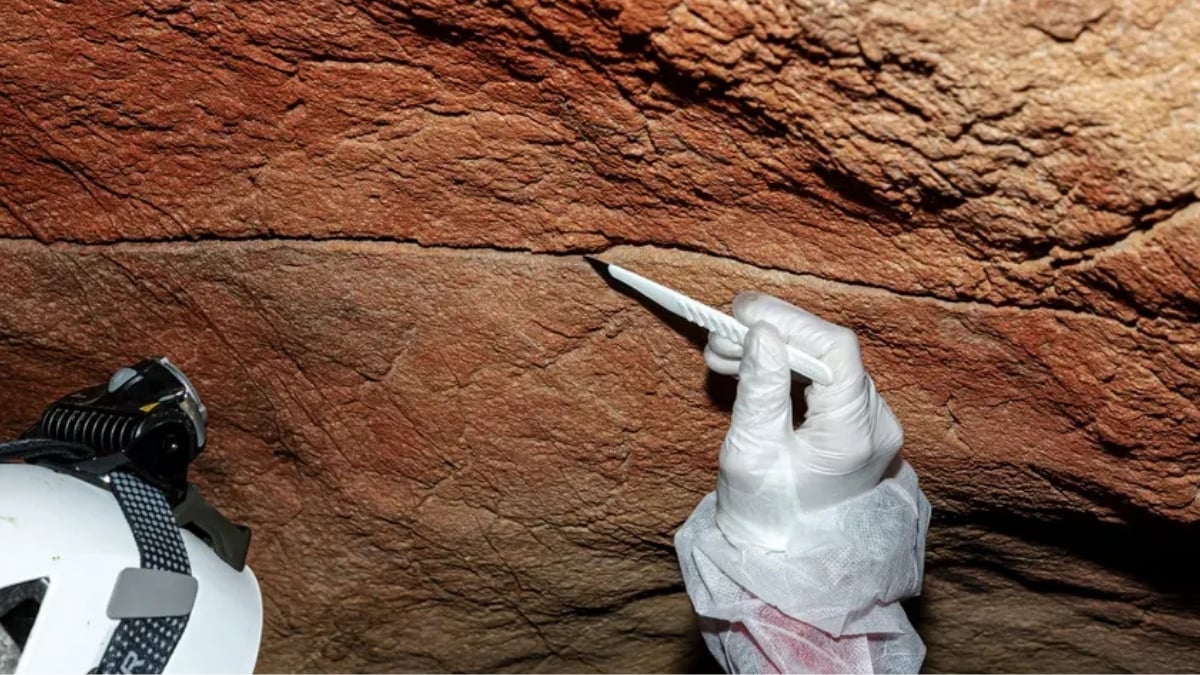
In an anthropology-expanding study published in Nature Communications, an international team reports that human DNA can be preserved on cave walls for millennia.
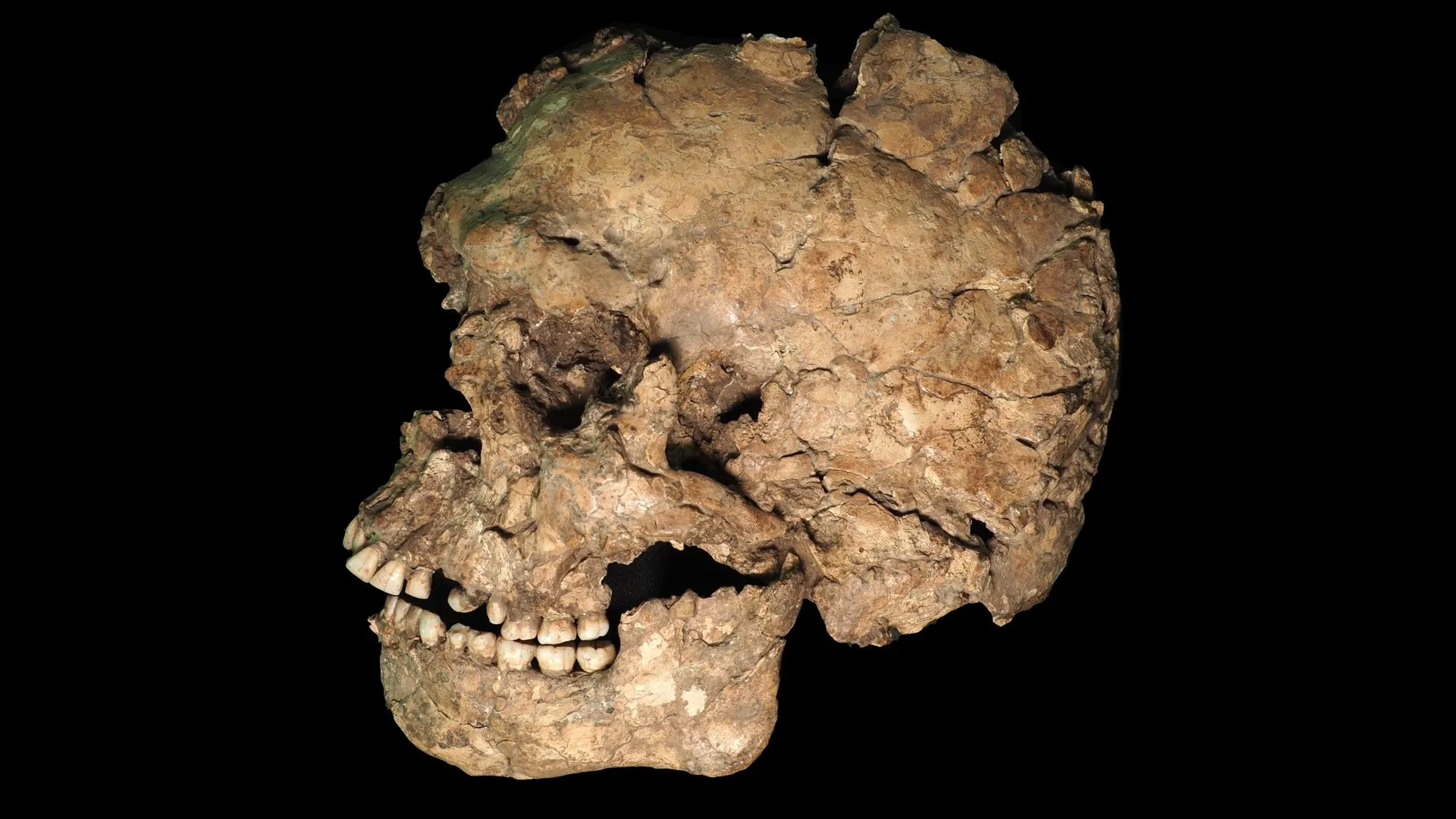
A microscopic analysis of the skull of Qafzeh 25 revealed a cut mark likely made by a stone tool 100,000 years ago. The study was published June 30 in the journal Scientific Reports.
War God: Night of Sorrows
Get your copy of War God: Vol III


Magicians of the Gods
Get your copy of Magicians of the Gods: