
Earth news stories
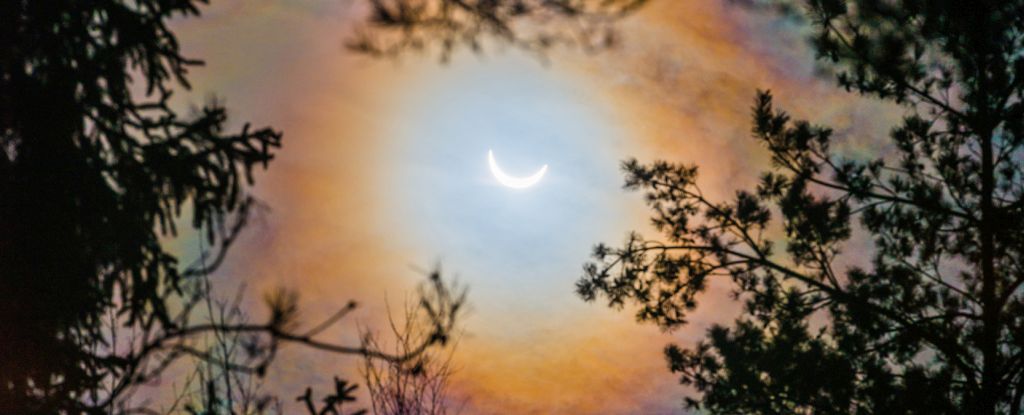
This forest-wide phenomenon, detailed today in the journal Royal Society Open Science, reveals a new layer of complexity in plant behaviour. It adds to emerging evidence that plants actively participate in their ecosystems.
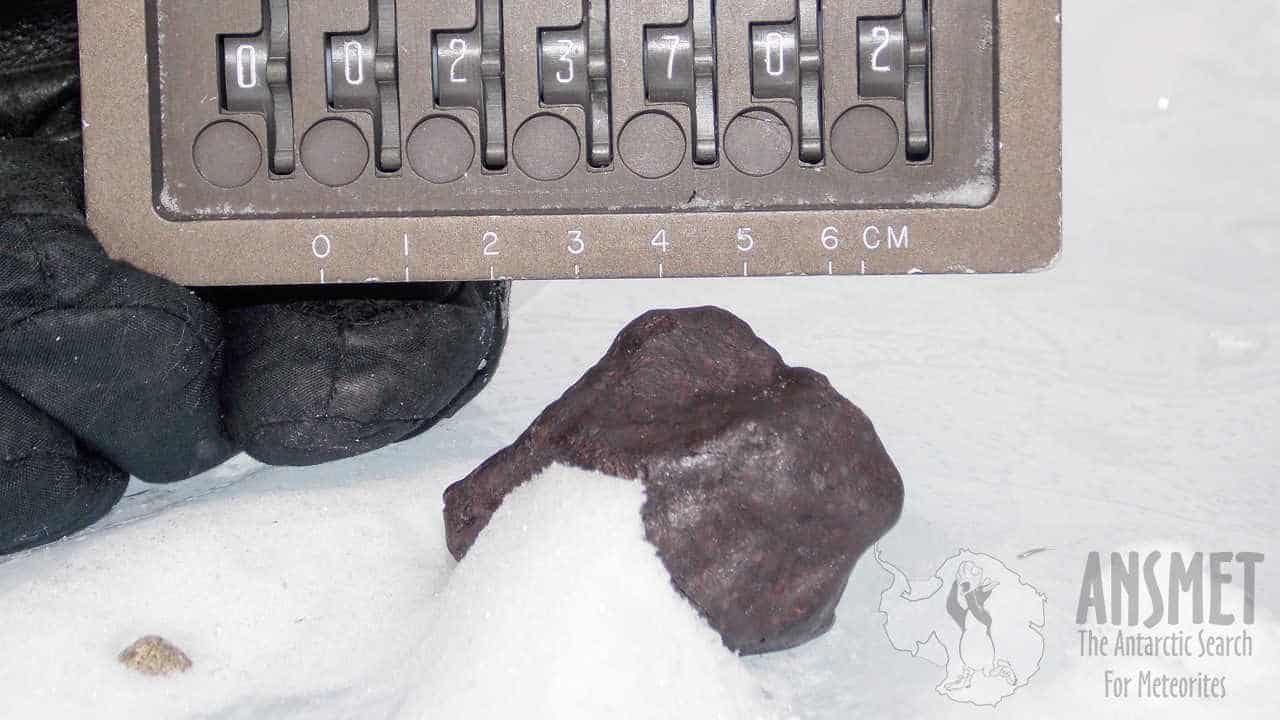
Water is critical to life on our planet, but the conventional theory of how it ended up being so abundant on Earth might be completely wrong. The new research is published in the planetary science journal Icarus.

The event that refilled the Mediterranean basin 5m years ago is thought to have been the largest flood in Earth’s history, with water surging through the present-day strait of Gibraltar 1,000 times faster than the Amazon River, filling the basin in just a couple of years. The findings have been published in Scientific Reports.

Extraterrestrial rocks, recently delivered by a space probe, could answer the big questions about alien lifeforms and human existence
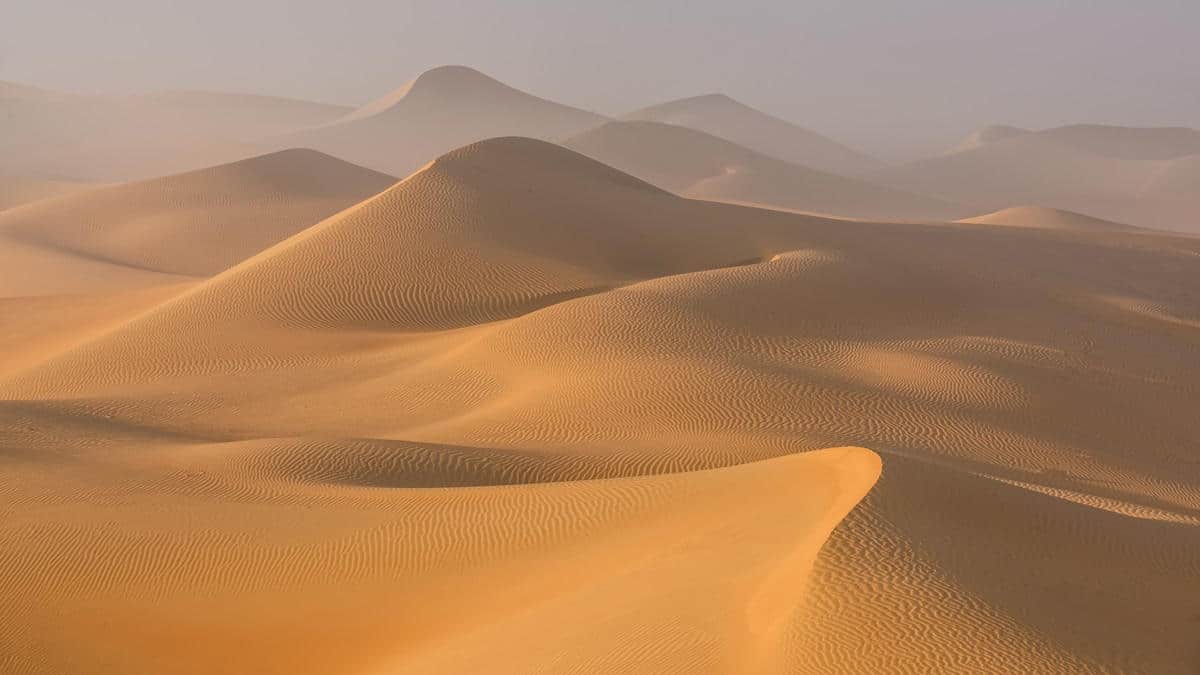
Researchers have revealed the Arabian Peninsula’s green past. Though a desert today, ancient Arabia had lakes and rivers due to high rainfall. Results of the expeditions are published in the Communications Earth & Environment journal.

A new study sheds light on how prehistoric hunter-gatherer populations in Europe coped with climate changes over 12,000 years ago…The study has been published in PLOS One under the title “Large scale and regional demographic responses to climatic changesin Europe during the Final Palaeolithic.”

Today, the Sahara Desert is a sea of sand, but 7000 years ago it was a lush savanna full of hippos, crocodiles, elephants, and giraffes. During a humid, monsoon-heavy interval that spanned more than 5 millennia, people hunted, fished, and eventually herded livestock in a landscape now covered by shifting dunes. The findings are reported in a paper this week in Nature.

Kwesia X grew up in south east London, surrounded by busy roads and tower blocks. When faced with tragedy and homelessness, she turned to nature to find peace. Now she’s working hard to bring the experience of the natural world to young people in the city, and they’re often amazed by the plants and creatures living in the concrete jungle. You can find her videos on her YouTube channel, City Girl in Nature.

A new study reveals plants, fungi, bacteria, protists, and even some viruses deploy venom-like mechanisms, similar to that of venomous snakes, scorpions and spiders, according to researchers at Loma Linda University School of Medicine. The study is published in the journal Toxins.

A team of botanists with members from Muse–Museo delle Scienze, Udzungwa Corridor LTD, Via Grazia Deledda and the National Museum of Kenya has discovered a new species of tree growing in the mountainous rain forests of Tanzania. In their paper published in the journal Phytotaxa, the group describes how and where the tree was found and its characteristics.

Near the local storefronts lies the site of an excavation that unearthed stone tools from 150,000 years ago—the earliest sign ever of humans inhabiting a tropical forest…”The results represent the oldest yet known clear association between humans and this habitat type,” they wrote in their paper, published in the journal Nature last month after years of research.
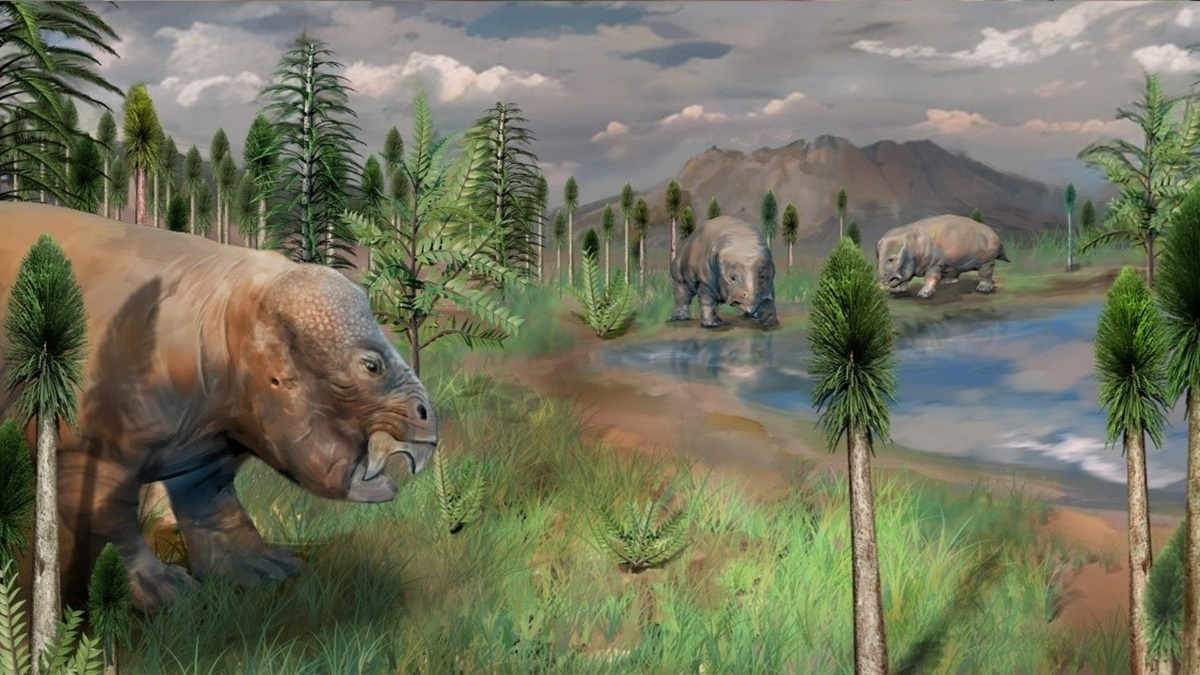
Fossils found in China’s Turpan-Hami Basin reveal a refuge, or “life oasis”, for plants and animals during the Permian extinction – the worst mass extinction in Earth’s history. The fossils are detailed in a paper published in the journal Science Advances.

A stressful life can leave marks on our genetic code, some of which can even be passed on to our children. A study now reveals how the biological impact of trauma on a mother persists long after the violent acts themselves have passed.

Water may have first formed 100–200 million years after the Big Bang, according to a modeling paper published in Nature Astronomy. The authors suggest that the formation of water may have occurred in the universe earlier than previously thought and may have been a key constituent of the first galaxies.
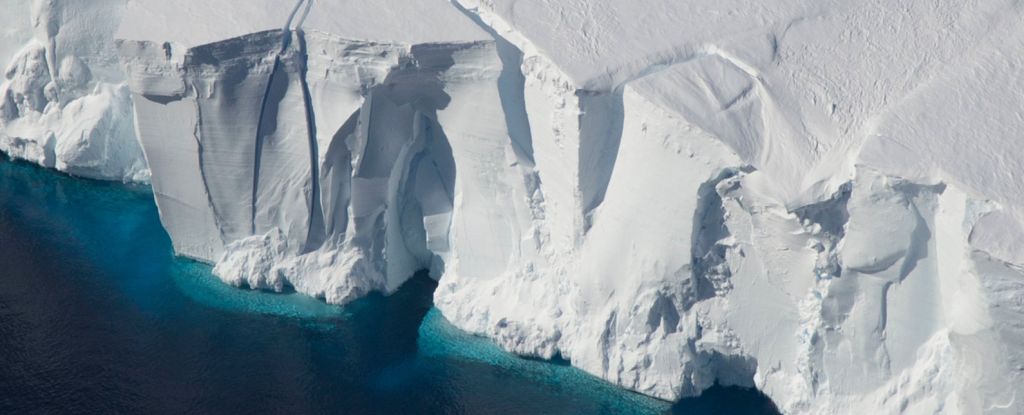
New research has demonstrated the precise relationship between past ice ages and each wobble, tilt, and angle of the planet’s path, unlocking a new tool for predicting the future fluctuations of our global climate. The team’s research has been published in Science.

The earliest evidence that humans inhabited rainforests has been found in Africa, a surprising find which pushes human settlement in these habitats much further back than previously thought…As a result, rainforests have often been overlooked as important habitats in the evolution of early modern humans. New research published in Nature has put a dent in this assumption.
War God: Night of Sorrows
Get your copy of War God: Vol III

Magicians of the Gods
Get your copy of Magicians of the Gods: