Earth news stories
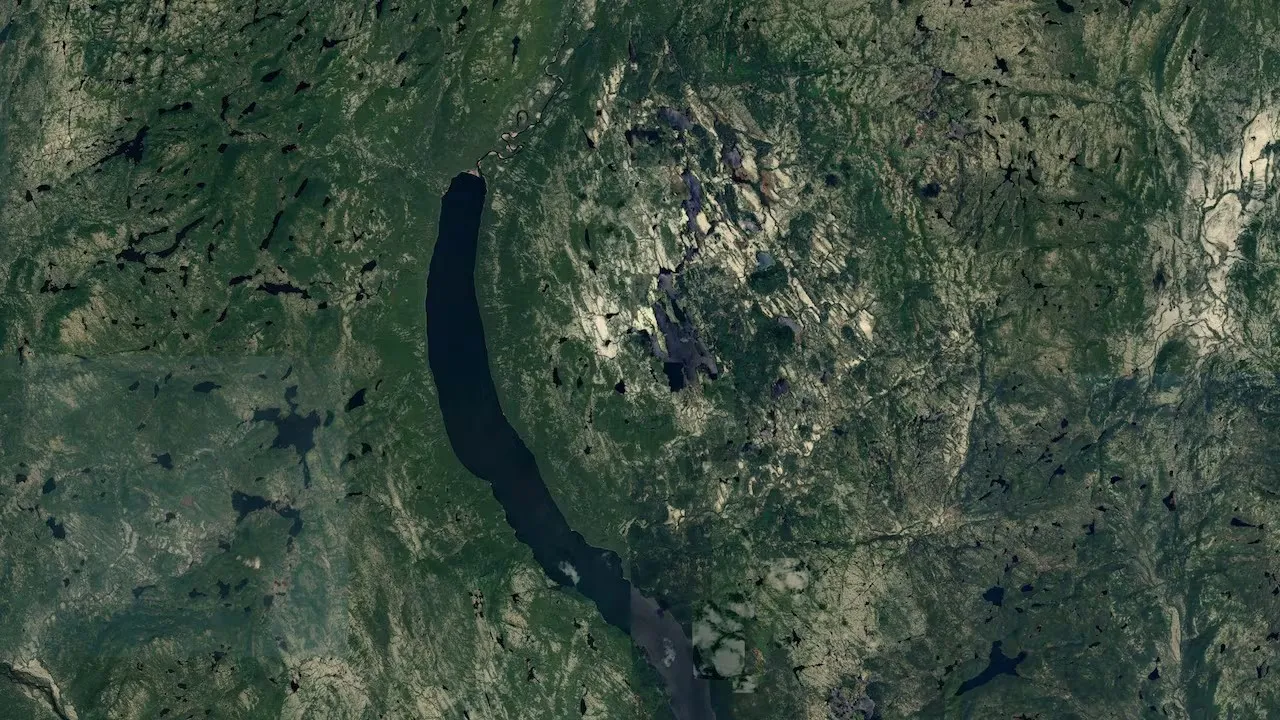
Joël Lapointe was using Google Maps to plan a camping trail through Quebec’s Côte-Nord region when he stumbled across a large indentation. Now, scientists have confirmed that the pit was indeed a meteor impact crater that dates back roughly 390 million years.

For 65m years, this landscape has sheltered all manner of astonishing creatures. But some of the most fascinating life forms found here are even older. Before animals walked the Earth or trees began converting carbon dioxide into oxygen, fungi helped to create the conditions necessary for complex life on our planet. “People often say that fungi grow in the forest,” Dr Alison Pouliot, a mycologist, tells me as we inhale cool air perfumed with the gentle spice of sassafras. “But there wouldn’t be a forest without fungi. Fungi are the ecosystem engineers that created the foundation for the forest.”
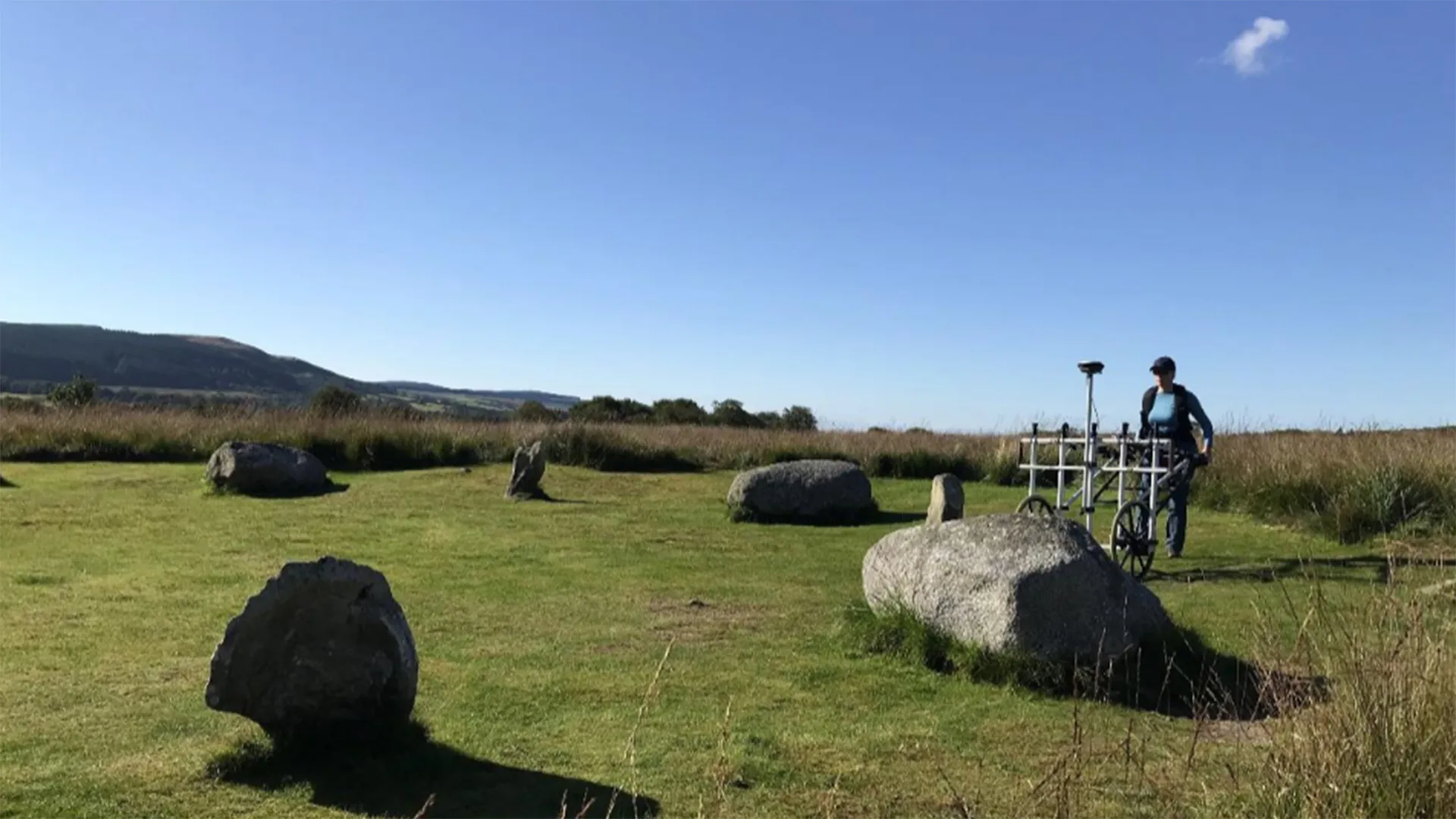
A hidden ring of stones or timbers detected beneath peat at Machrie Moor could represent a previously unknown Neolithic or Bronze Age monument.
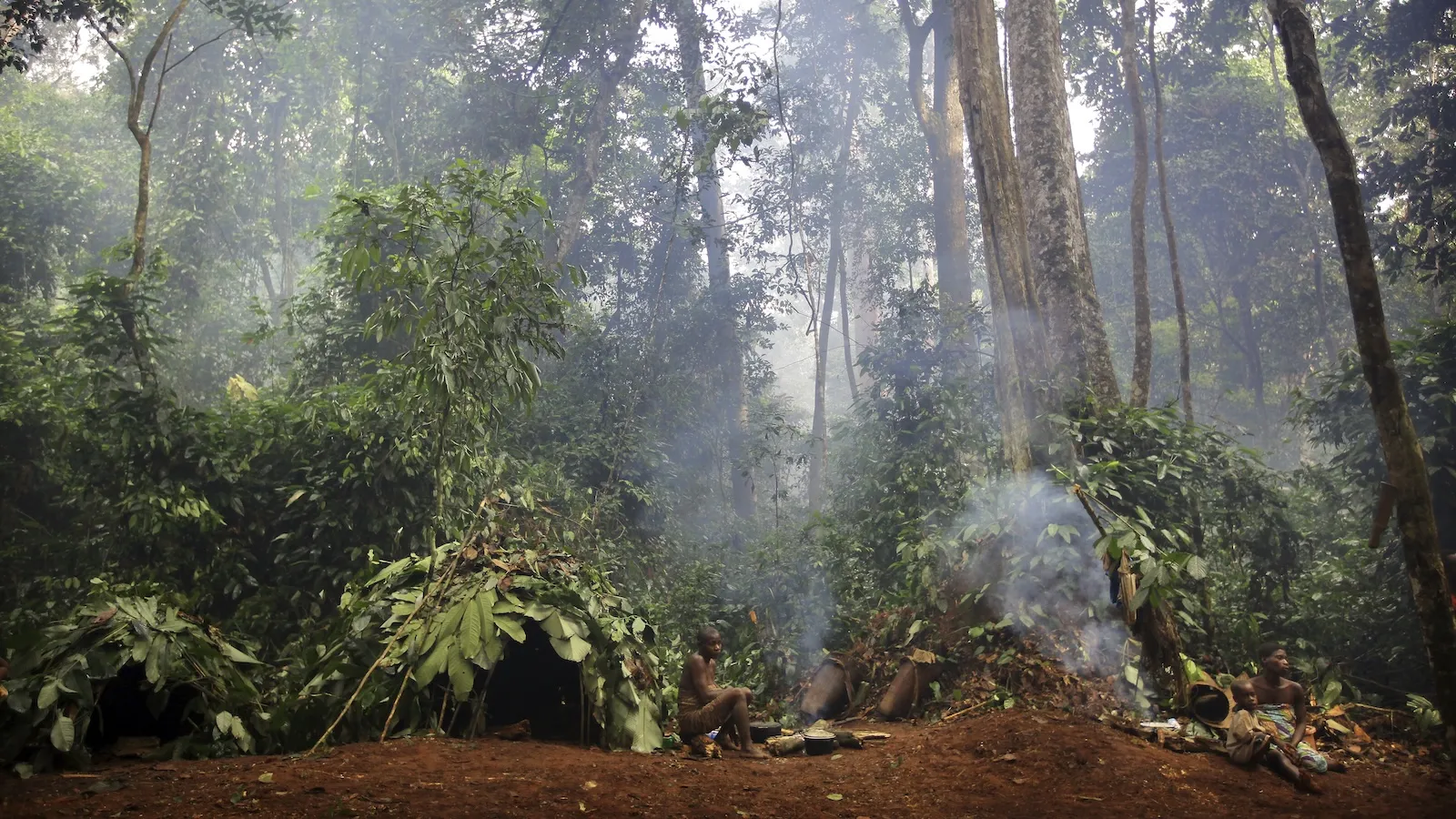
The long-held idea that rainforests held a minor role in our species’ evolution is changing — and our ability to adapt to these tropical areas may give insight about ‘what it means to be uniquely human.’

Curtin University researchers use innovative techniques to date three-billion-year-old impact crater in Western Australia’s Pilbara region. They are publishing their findings in the Geology journal.
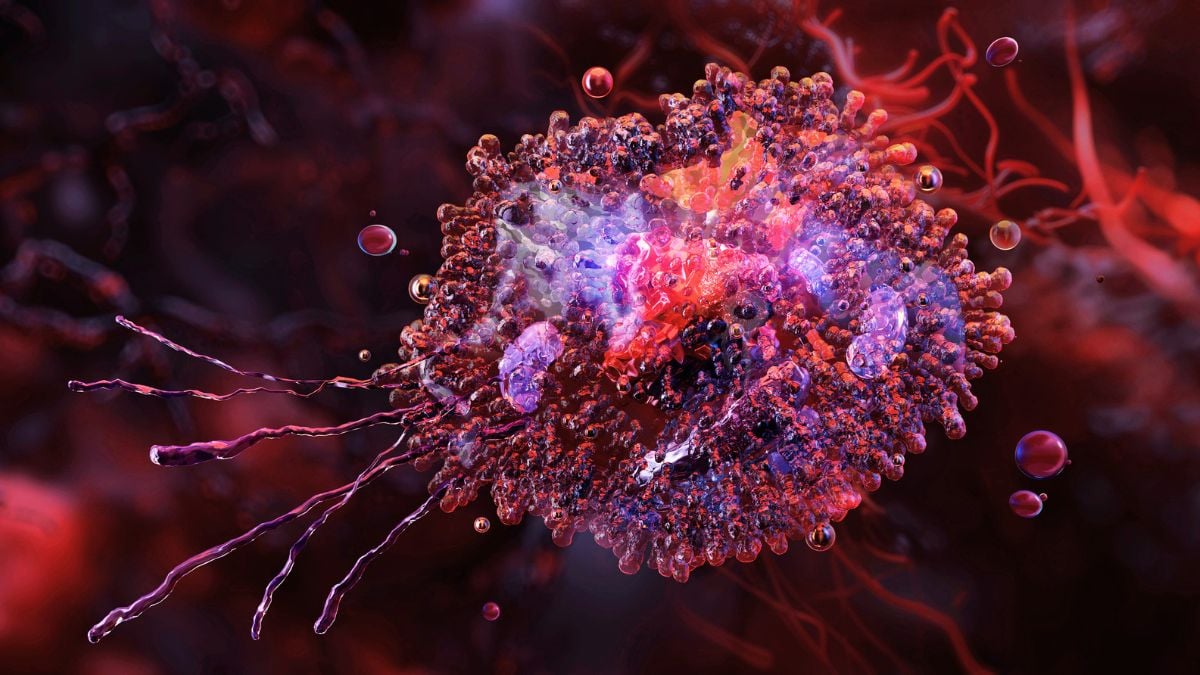
Nearly every animal on this magnificent planet has blood… but where the heck did it come from? Now, in an ambitious effort, an international team led by Kyoto University in Japan has traced the evolutionary history of blood cells back 700 million years – and discovered that they weren’t created from scratch after the rise of multicellular life. The findings have been published in the Proceedings of the National Academy of Sciences.

A new discovery in South Korea suggests that the asteroid effect may have been even more complex than we realized. The research has been published in Communications Earth & Environment.
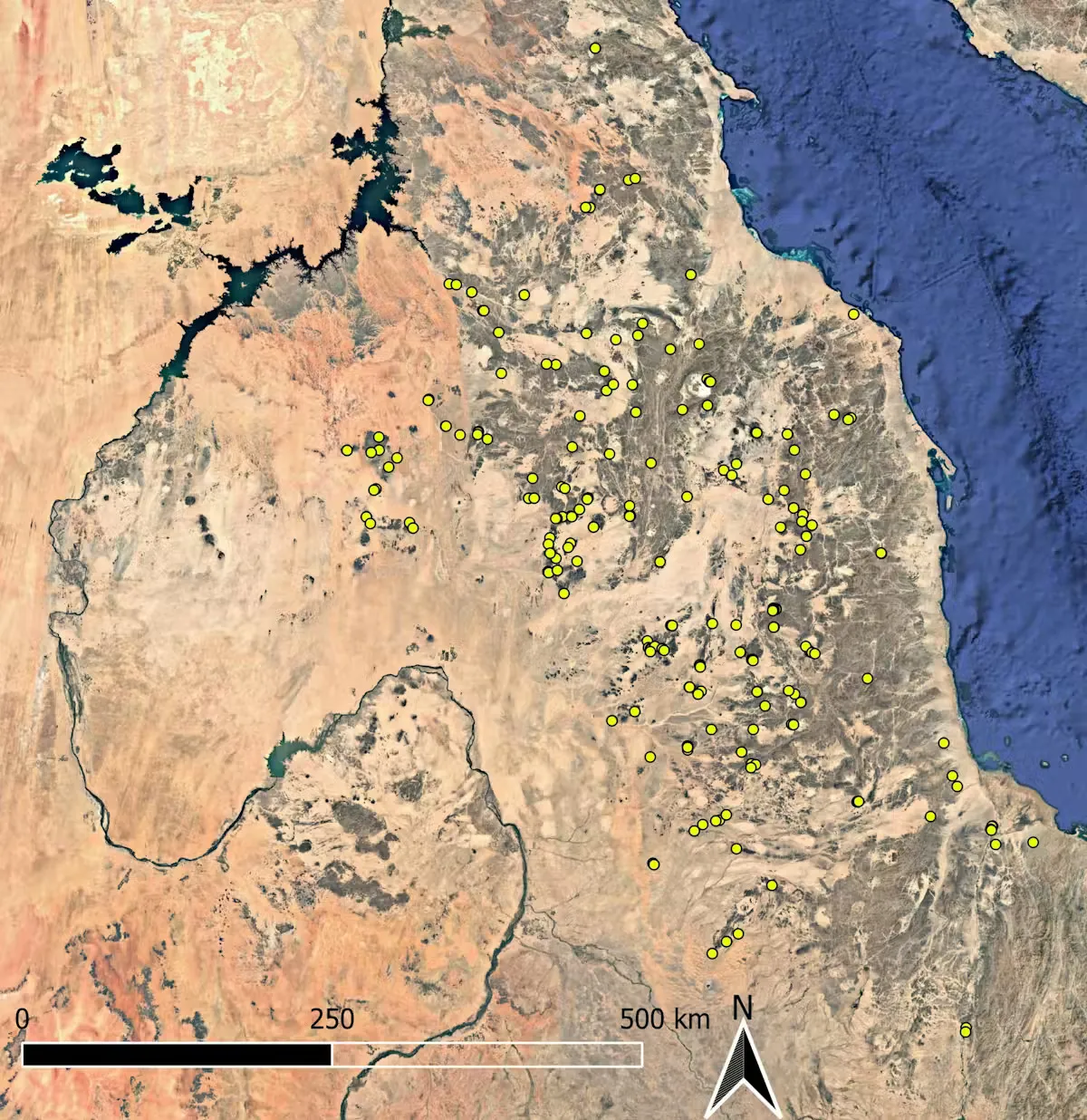
Our new research, published in the journal African Archaeological Review, reveals how we found 260 previously unknown enclosure burials east of the Nile River, across almost 1,000km of desert…The carbon dates and pottery from the few excavated monuments tell us these people lived roughly 4000–3000 BCE, just before Egyptians formed a territorial kingdom we know of as Pharaonic Egypt.

A study published in the Journal of Island and Coastal Archaeology has identified the earliest evidence of prehistoric occupation by island dwellers of northern Sri Lanka. Long thought to be unsuitable for human occupation due to its scarce stone resources and semi-arid landscape, the findings at Velanai Island challenge this long-held belief and offer insights into early raw-material exploitation, seafaring capabilities, and subsistence behavior.

Mayflies are among the world’s oldest winged insects, emerging roughly 300m years ago – long before dinosaurs walked the Earth. Even the Mesopotamian poem the Epic of Gilgamesh, one of the oldest pieces of literature, makes reference to the short-lived mayfly. Over the epochs, the insect’s basic design has changed very little compared with the fossils of their ancestors.
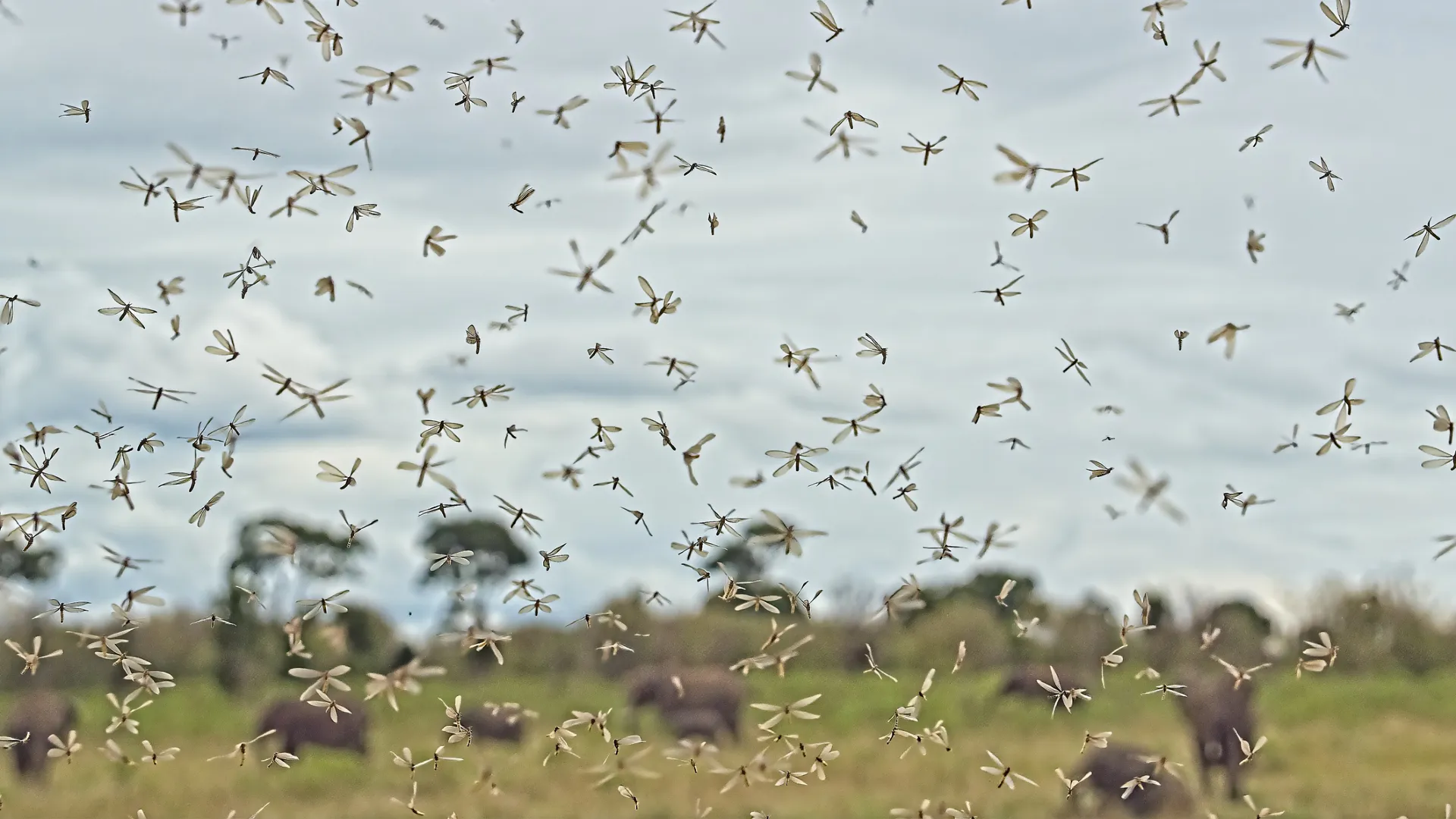
Prehistoric humans in Africa may have avoided areas infested with malaria-spreading mosquitoes, a new study suggests —published April 22 in the journal Science Advances

A recent study, published in the Journal of Archaeological Science: Reports, presents and discusses the earliest burial site in Patagonia and one of the earliest pieces of evidence of Early Holocene human settlement on the South American Atlantic coast.

The exact origin of bread wheat (Triticum aestivum) is still a mystery, but researchers believe they are edging closer to the source of one of the most important food staples worldwide. Using genetic studies and ancient plant remains, an international team of scientists has narrowed the location and timeline to the Neolithic period(around 8,000 years ago) in Georgia, in the South Caucasus. They present their findings in a paper published in the journal Proceedings of the National Academy of Sciences.
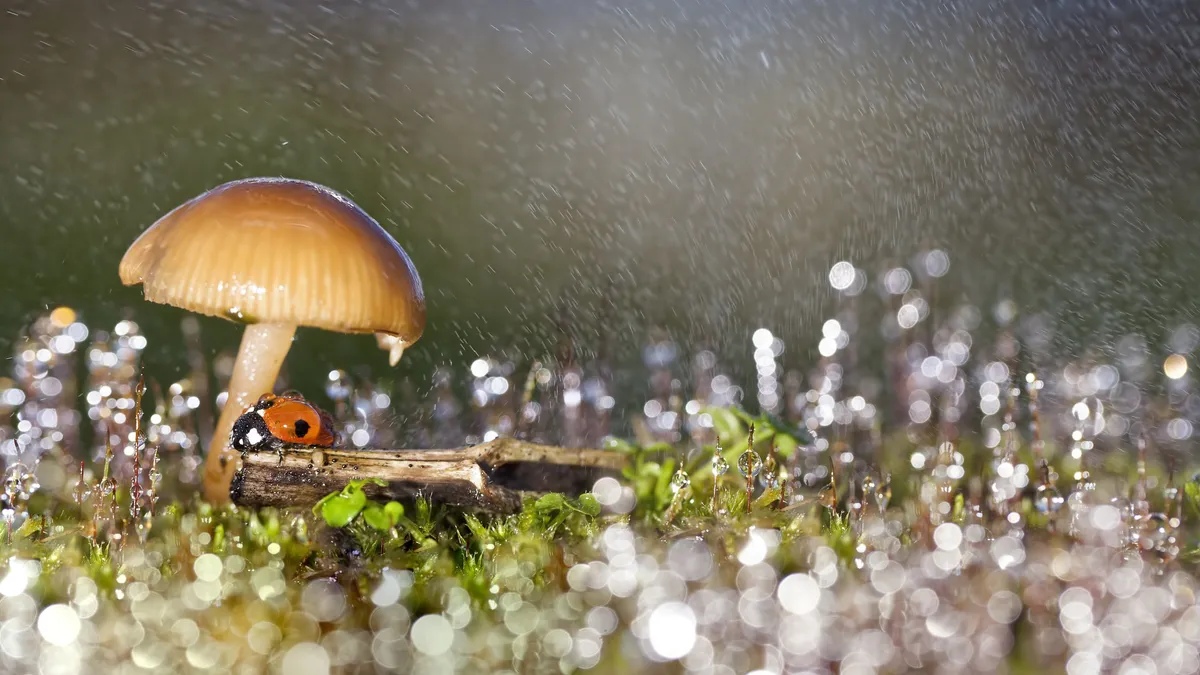
Some fungi can produce proteins that freeze water, which may allow them to reach into the atmosphere and trigger rain. Now, scientists have discovered the secret to this process: a gene from ancient bacteria. The new study was published March 11 in the journal Science Advances.
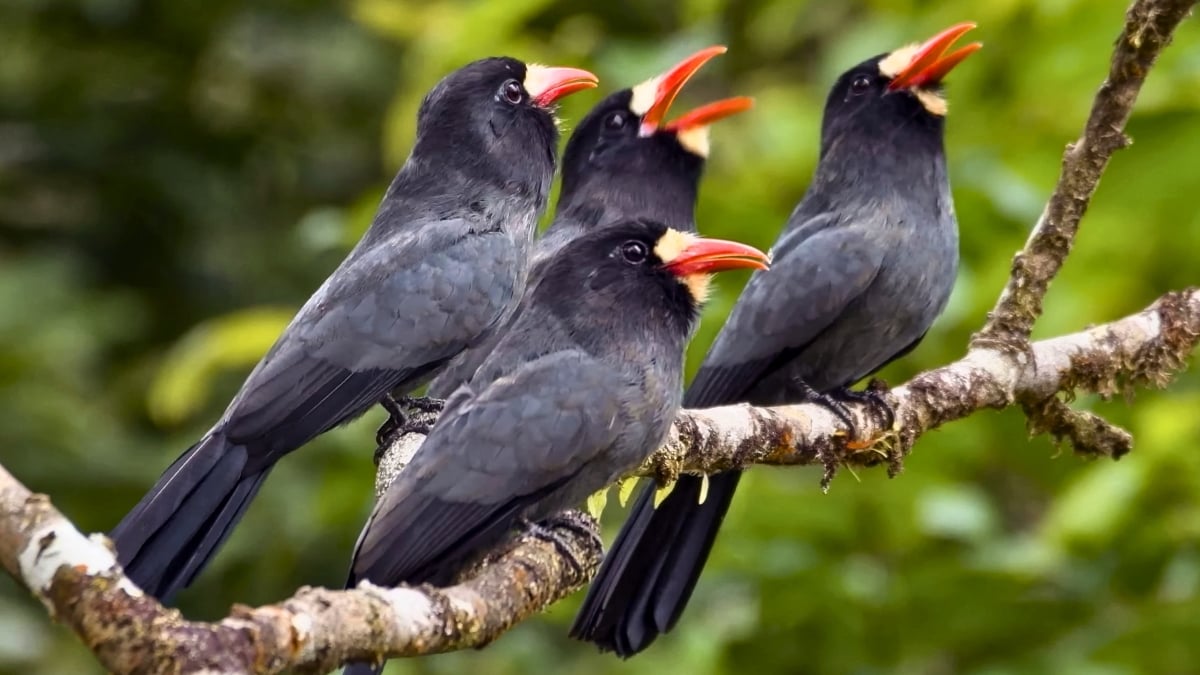
In our research, published today in Current Biology, we show that when some animals spot a predator, they issue a warning cry that is picked up by others and spread through the rainforest canopy. For a time, different species are linked into a shared information network, and parts of the forest briefly fall silent.
War God: Night of Sorrows
Get your copy of War God: Vol III

Magicians of the Gods
Get your copy of Magicians of the Gods: