
News Desk
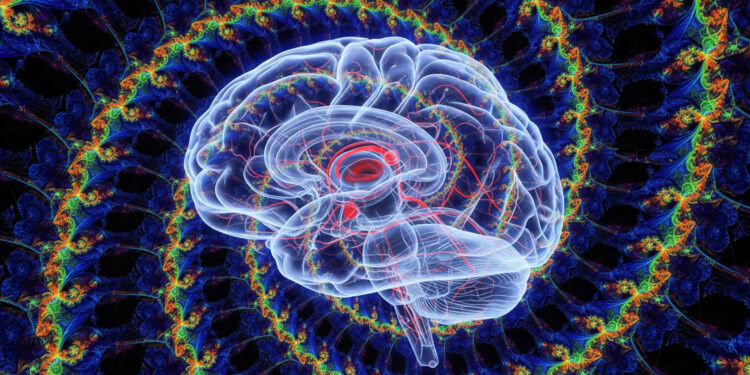
Long-term users of ayahuasca may process emotional experiences differently than those who do not use the substance, according to a new brain imaging study published in the Journal of Magnetic Resonance Imaging. The findings indicate that regular ritual use of the psychedelic brew is linked to changes in brain activity patterns and elevated psychological resilience, offering preliminary evidence that its long-term effects may extend beyond acute experiences.
A comprehensive peer-reviewed invited review published in Psychedelics by Dr. Kenji Hashimoto and colleagues (Dr. Mingming Zhao and Dr. Jianjun Yang) synthesizes the evolving landscape of MDMA-assisted psychotherapy, examining robust clinical evidence in treatment-resistant posttraumatic stress disorder while identifying promising applications in autism spectrum disorder, eating disorders, and existential distress.

With help from citizen scientists, astronomers have found the most powerful and distant “odd radio circle” ever detected. Researchers detailed their findings in a paper published Oct. 2 in the journal Monthly Notices of the Royal Astronomical Society.

Similar structures have been found in other arid regions of the world, including the Middle East, but this is the first time such a concentration has been discovered in the area, and it raises the possibility that they predate those known to have been used by the Inkas. The results are published in the journal Antiquity
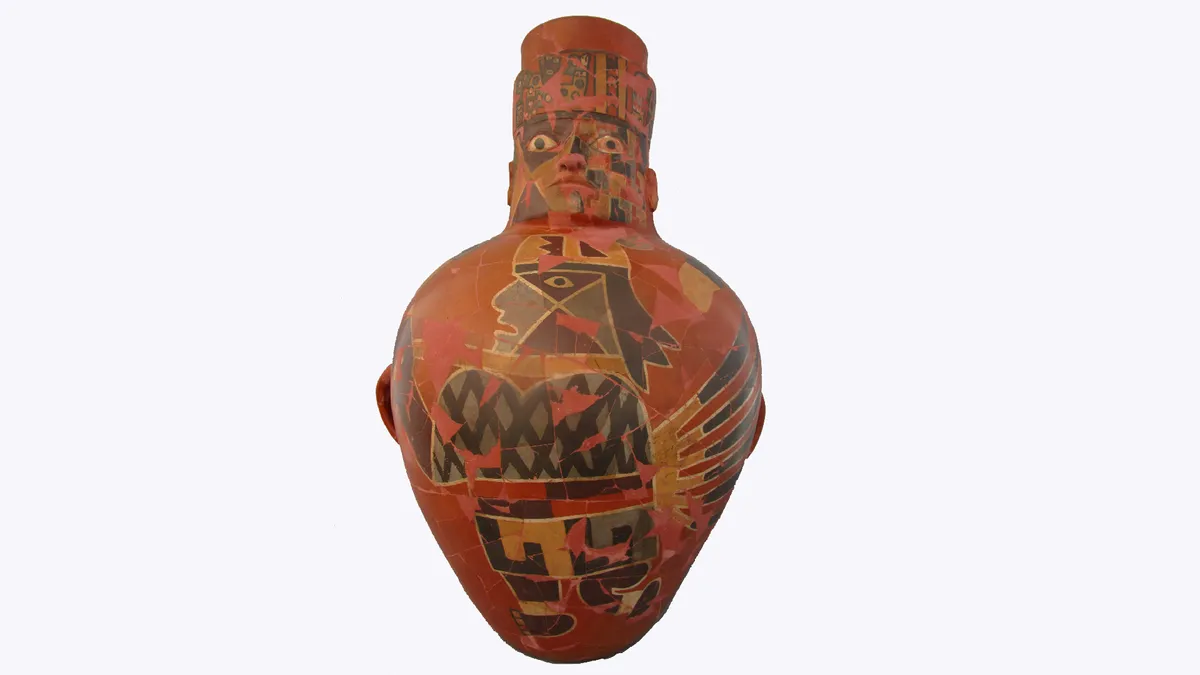
In the new study, published Monday (Oct. 6) in the journal La Revista de Arqueología Americana (The Journal of American Archaeology), the researchers suggest that Wari rulers used psychedelics mixed in beer to help grow their empire. They explain that the “afterglow” — the long-term effect of drinking the mix — would have lasted weeks and that communal feasts where it was drunk would have brought people together.

New research has revealed that the giant asteroid that created the South Pole-Aitken basin (SPA), the Moon’s largest crater, slammed into the lunar surface from a northerly direction. The study was published in Nature.

The authors add, “Our study shows how, 400,000 years ago in the area of Rome, human groups were able to exploit an extraordinary resource like the elephant—not only for food, but also by transforming its bones into tools. The study was published on October 8, 2025, in the open-access journal PLOS One.

Melting ice sheets in North America played a far greater role in driving global sea-level rise at the end of the last ice age than scientists had thought, according to a Tulane University-led study published in Nature Geoscience.

People who regularly use ayahuasca, a traditional Amazonian psychedelic drink, may have a fundamentally different way of relating to death. A new study published in the journal Psychopharmacology indicates that long-term ayahuasca users tend to show less fear, anxiety, and avoidance around death—and instead exhibit more acceptance. These effects appear to be driven not by spiritual beliefs or personality traits, but by a psychological attitude known as “impermanence acceptance.”

Studying nearly 1,000 moai statues, Binghamton University Professor of Anthropology Carl Lipo and the University of Arizona’s Terry Hunt found that the people of Rapa Nui likely used rope and “walked” the giant statues in a zig-zag motion along carefully designed roads. The paper is published in the Journal of Archaeological Science.

In experiments, their newly created model was able to directly communicate with a biological neuron in a remarkably lifelike, ‘quiet’ way. The study was published in Nature Communications.

Researchers Magnus Pharao Hansen and Christopher Helmke from the University of Copenhagen have presented a possible solution to the mystery in an article published in Current Anthropology.
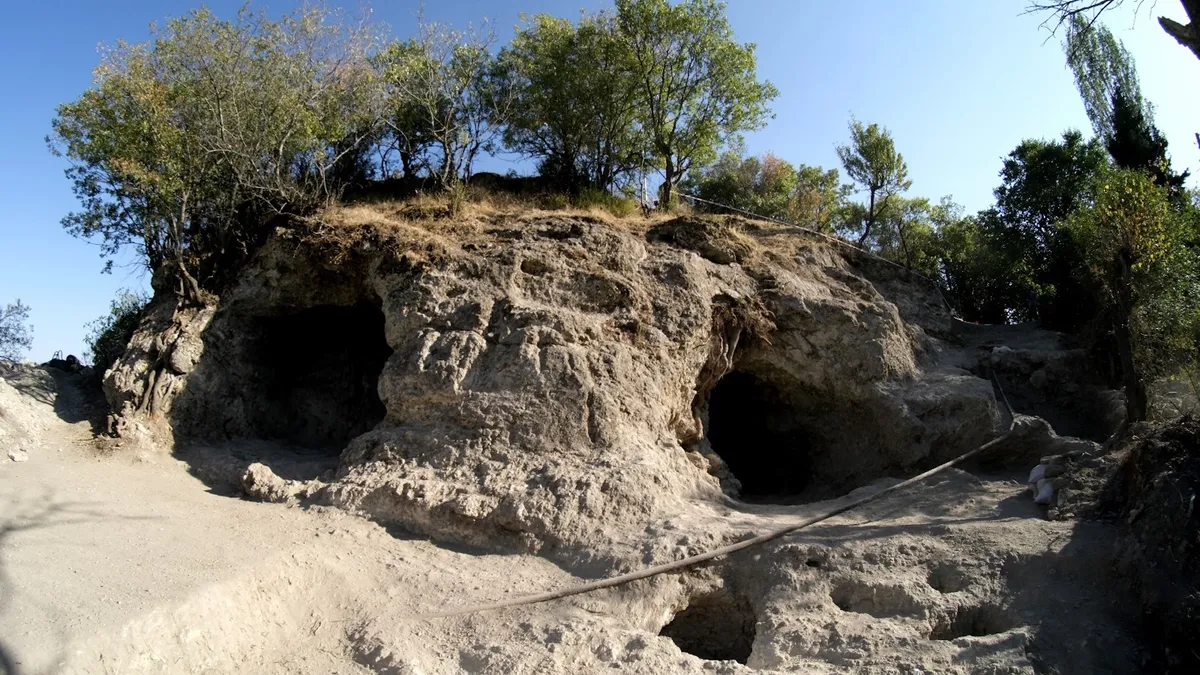
The temple may have been dedicated to a mother goddess worshipped by many cultures, including the Greeks and the Romans.

A natural psychedelic may do more than alter perception. A new study found that at sub-hallucinogenic doses, DMT shielded the brain from stroke damage in animal models, reducing inflammation, preserving the blood-brain barrier, and speeding recovery. The study was published in the journal Science Advances.
Image by ManuelSchottdorf (Wiki Commons)

An international group of researchers have discovered that birds on opposite sides of the planet produce almost identical ‘whining’ calls when beset by parasitic birds. The findings from this study have been published in Nature Ecology & Evolution.

In a recent study by Dr. Sawada and his colleagues published in Scientific Reports, 183 human bones were surveyed, of which 52 were found to be worked human bones, all of which belong to the Neolithic Liangzhu culture.
War God: Night of Sorrows
Get your copy of War God: Vol III


Magicians of the Gods
Get your copy of Magicians of the Gods: