
News Desk
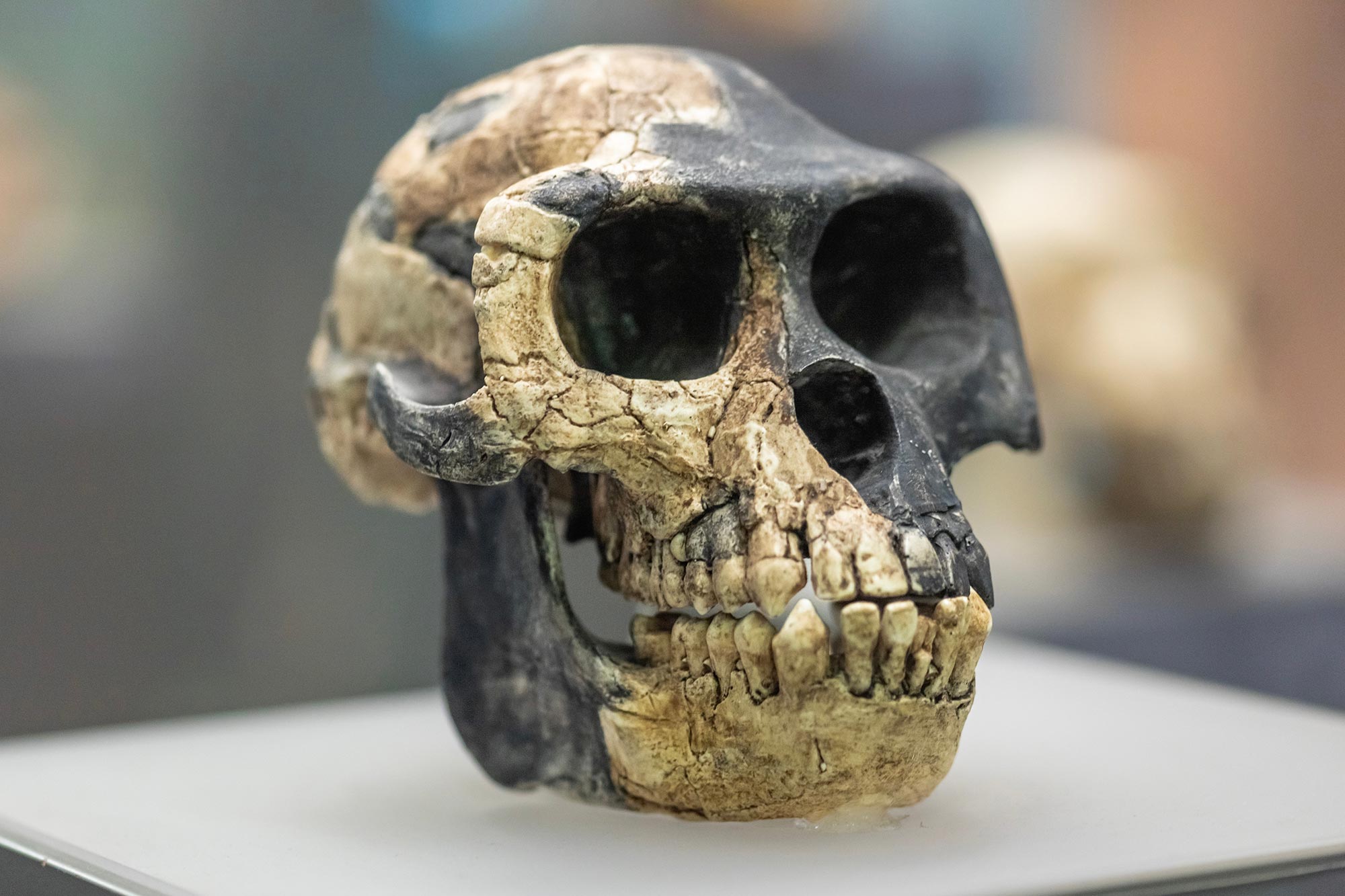
New findings reveal the geological age, context, and anatomy of hominin fossils discovered at the Ledi-Geraru Research Project in Ethiopia.
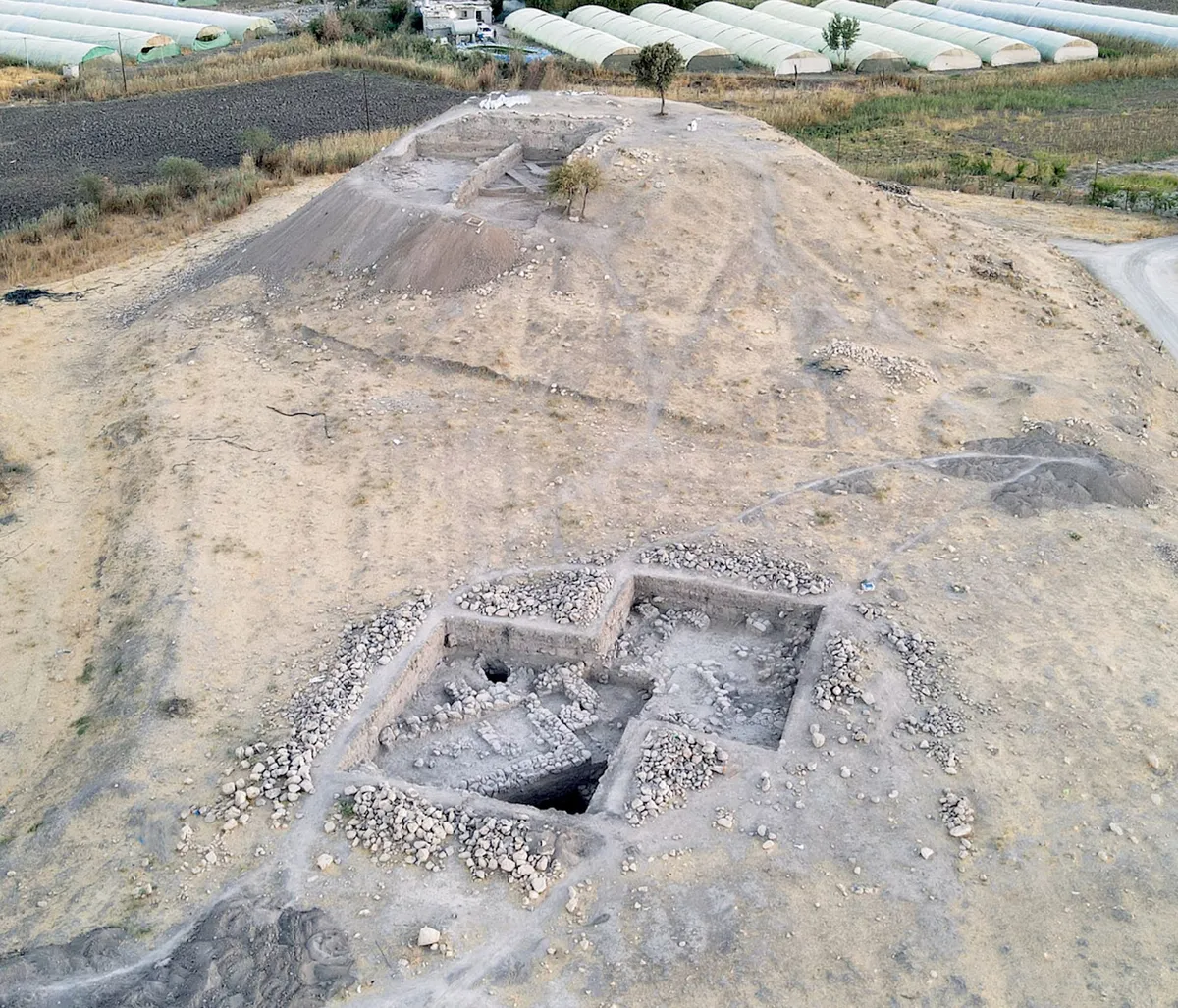
Archaeologists in Iraq have unearthed the remains of a 5,000-year-old building that may have been a temple from the Uruk period, when the first cities in the world were taking off.

Ochre is an iron-rich mineral pigment that was used by many ancient civilizations for color, decoration and practical tasks such as preserving animal hides and tanning clothing. The research was published in the journal Science Advances.

New observations from the James Webb Space Telescope have uncovered five complex organic molecules trapped in the ice around a star outside our galaxy. This cosmic first hints that the stuff of life may be widespread throughout space. See the study published Oct. 20 in the Astrophysical Journal Letters.

A new long-term follow-up study has found that a significant majority of individuals treated for major depressive disorder with psilocybin-assisted therapy were still in remission from their depression five years later. The findings were published in the Journal of Psychedelic Studies.

Researchers have long been attempting to piece together the trek of Neanderthals from Europe into Asia around the Middle and Upper Paleolithic time periods. This time marks the eventual disappearance of Neanderthals and the transition to a Homo-sapien-dominated world…The research is published in Proceedings of the National Academy of Sciences.
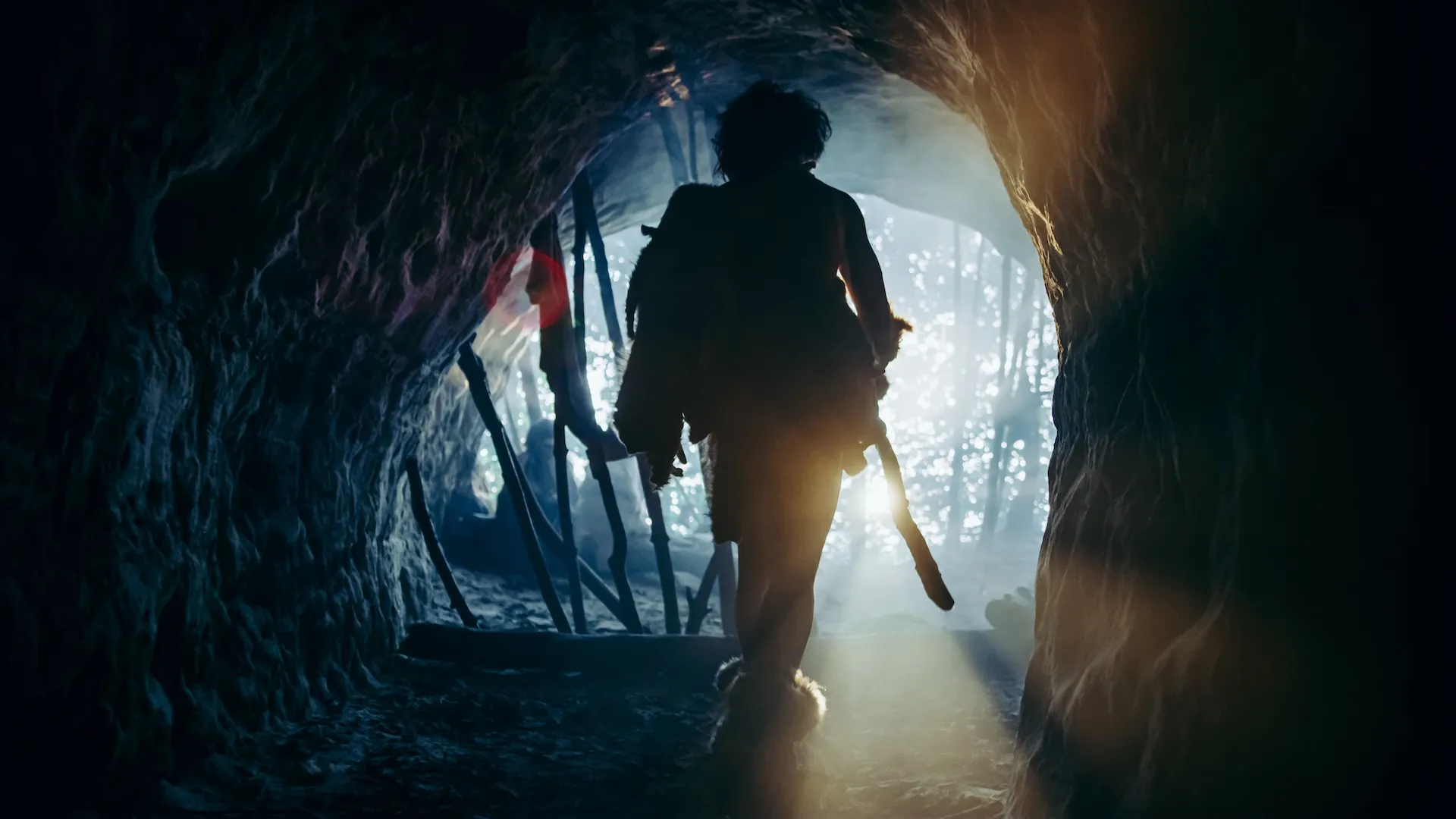
With today’s technology, we cannot bring back Neanderthals. But even if future advances allow it, should we?

Using plain old shiitake mushrooms (Lentinula edodes), scientists have built working memristors – circuitry elements that ‘remember’ their past electrical states – not from titanium dioxide or silicon, but the root-like (and somewhat neuron-like) part of a fungus called the mycelium.

Scientists are using DNA from sediments to learn more about Earth’s past, including new revelations about the woolly mammoth.

The fossilised lower leg bone (tibia) of an extinct, giant ‘sthenurine’ kangaroo was unearthed in the early 1900s alongside other bone fragments from the Mammoth Cave in southwestern Western Australia.

The clues have survived some 4.5 billion years, so it’s an astonishing find. The international team of researchers behind the discovery compares it to picking out a single grain in a bucket of sand. The research has been published in Nature Geosciences.
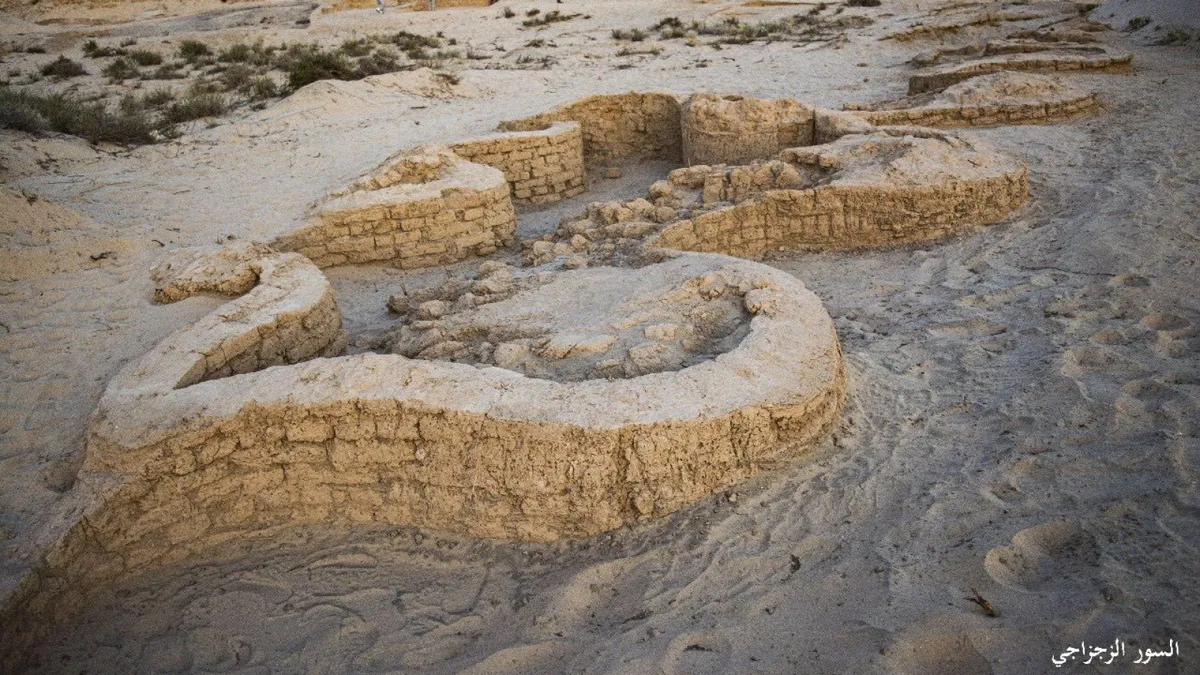
Archaeologists have discovered a 3,500-year-old military fortress with a zigzag-style wall in the north Sinai Desert of Egypt, not far from the Mediterranean coast. The fort is remarkably well preserved, and even has the remnants of ovens and a hunk of fossilized dough that the fortress’ soldiers never got a chance to eat.

A research team led by the University of Copenhagen has uncovered a remarkable Early Bronze Age ritual landscape at Murayghat in Jordan. The discovery can shed new light on how ancient communities responded to social and environmental change…Susanne Kerner has recently published the article “Dolmens, standing stones and ritual in Murayghat” in the journal Levant, which discusses the findings at Murayghat.

An astoundingly detailed weevil on a single grain of rice takes first place in 2025’s Nikon Small World photomicrography competition.

This discovery could force us to rethink what we know about prehistoric human societies. As the researchers write in their paper published in the journal Proceedings of the National Academy of Sciences, building the megastructures would have demanded huge coordinative effort, requiring large numbers of people to work for many hours, far more effort than a family unit. According to estimates, the largest structure required over 5,000 person-hours of labor.

An analysis of stone tools found in Italy and Lebanon indicates that around 42,000 years ago, modern humans in Europe and the Near East took different approaches to toolmaking. Their study has been published in the latest edition of the Journal of Human Evolution.
War God: Night of Sorrows
Get your copy of War God: Vol III


Magicians of the Gods
Get your copy of Magicians of the Gods: