Weird news stories
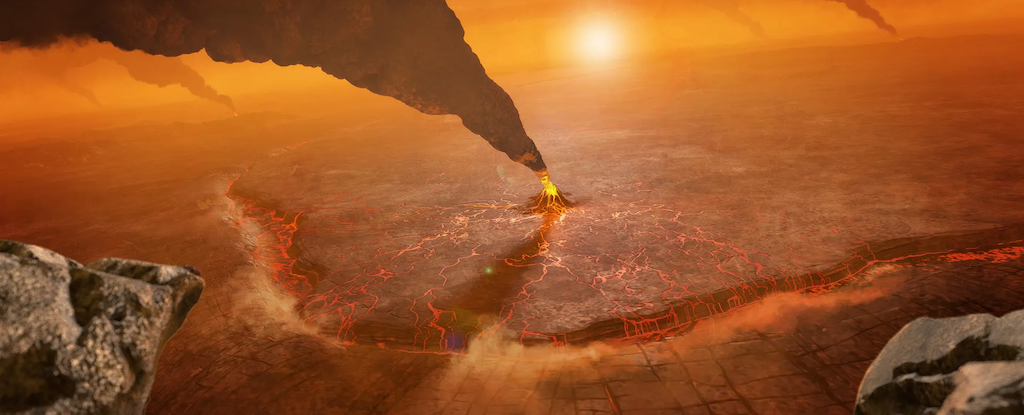
A new study of Venus suggests that the deeply inhospitable world may be more like Earth than we thought. The research has been published in Science Advances.
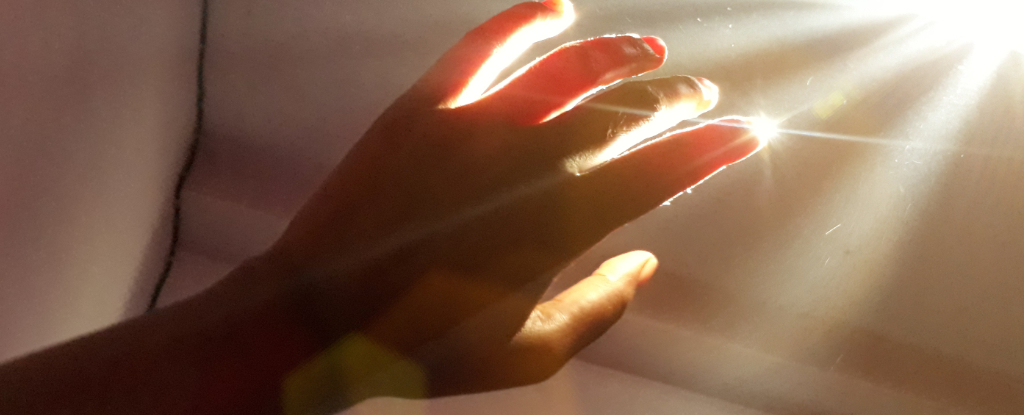
Life truly is radiant, according to an experiment conducted by researchers from the University of Calgary and the National Research Council of Canada. This research was published in The Journal of Physical Chemistry Letters.
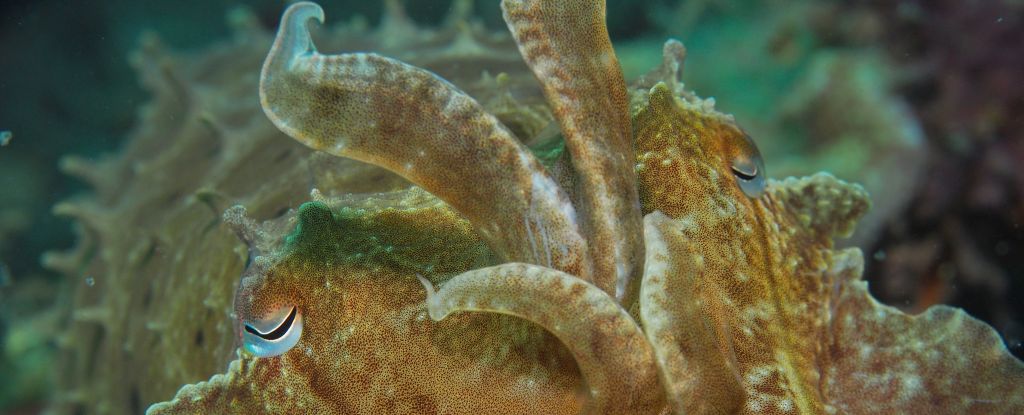
Cuttlefish are strange animals with some strange means of communication. Now, these cephalopods have been recorded using their arms in a way that looks like they are gesturing to each other – adding a potentially previously unknown form of communication to their toolkit. The research has not yet been peer-reviewed, and is available on bioRxiv.

“Theories are like toothbrushes,” it’s sometimes said. “Everybody has their own and nobody wants to use anybody else’s.”
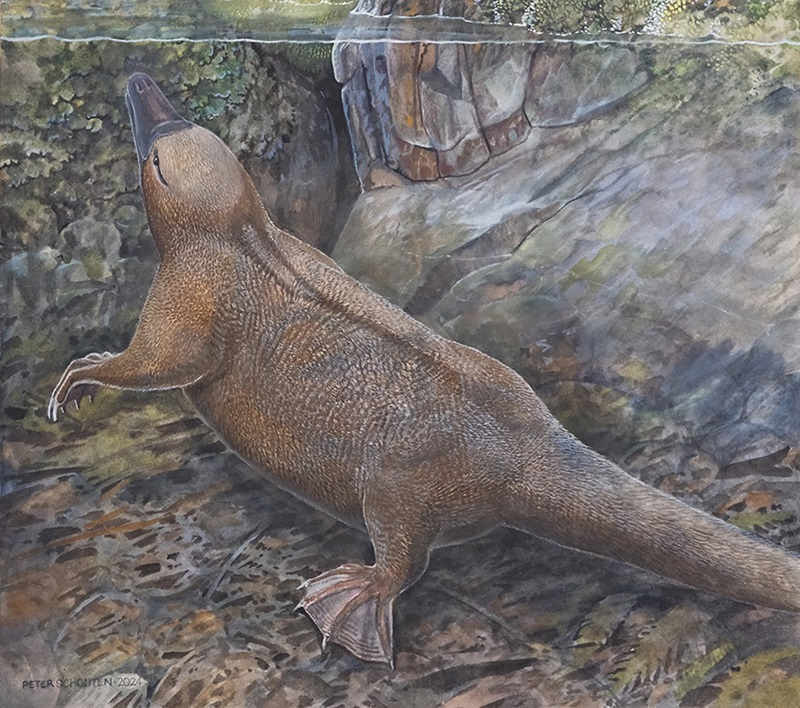
Platypus and echidnas are the only surviving members of the monotreme family. This includes the only mammals to lay eggs rather than giving birth to live young. For this reason, they are considered relics of early mammal evolution. The new study was published in the Proccedings of the National Academy of Sciences journal.

A surprise discovery in Gale Crater is the component that was missing in the puzzle of Mars’s climate history. The findings have been published in Science Advances.

A team using the Dark Energy Spectroscopic Instrument (DESI) and a supercomputer to try to better understand the mysterious phenomenon known as dark energy, created the largest 3D map of the universe as part of this endeavour. And it has just made this map publicly available.

The Andromeda Galaxy…is surrounded by a swarm of nearly 3 dozen dwarf galaxies, which circle it like bees around a hive. These “satellite galaxies” have been studied in unprecedented detail in a new paper published in the Astrophysical Journal.
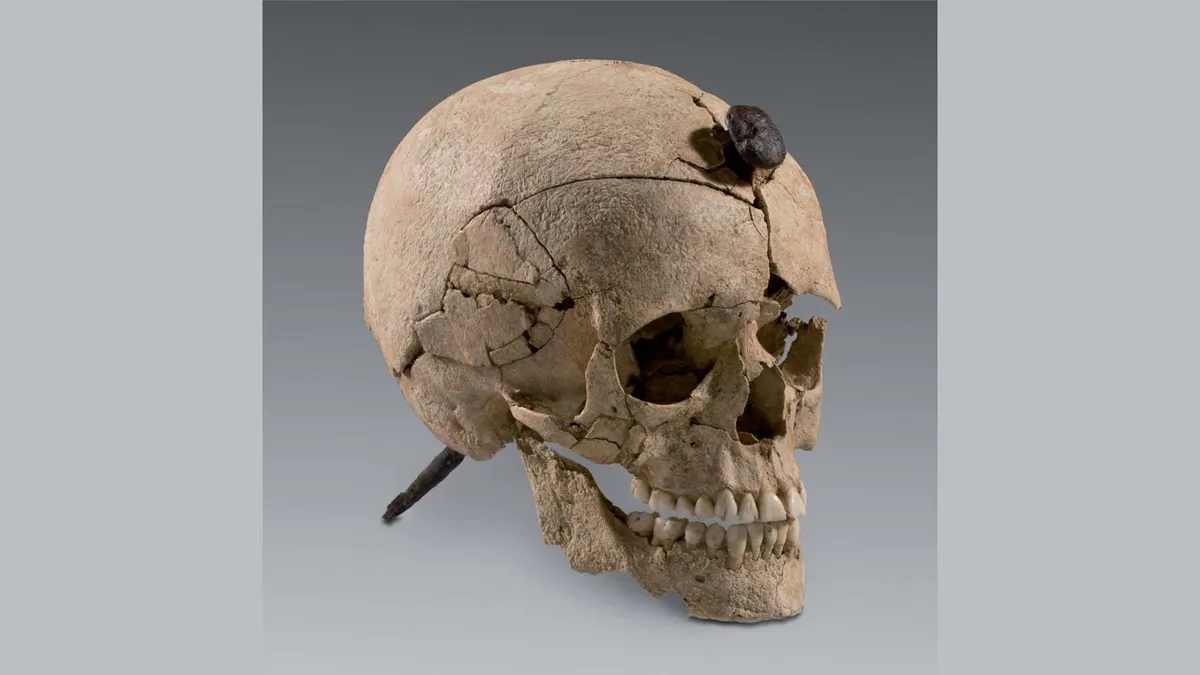
Prehistoric people in Spain severed the heads of dead people and drove giant nails through their skulls for very different reasons: to celebrate the community’s ancestors and to intimidate their enemies, a new analysis of Iron Age skulls suggests.
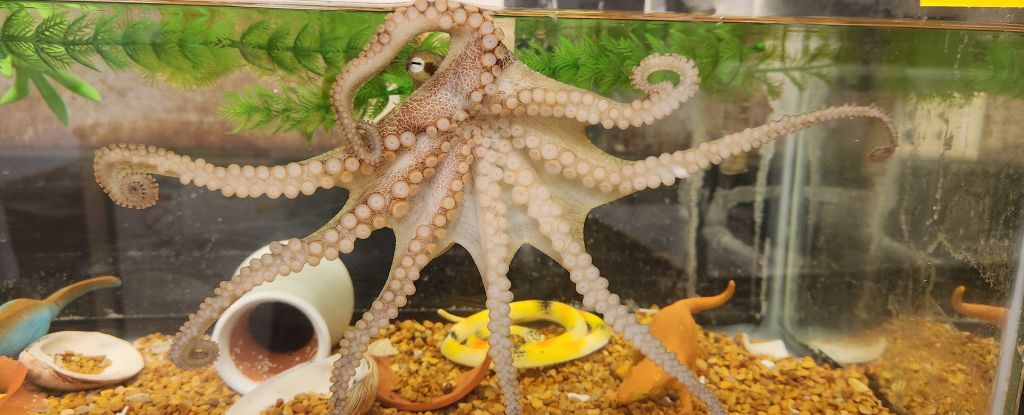
Octopuses tend to keep secrets, but we’ve just learnt how they achieve their extraordinary dexterity. The research has been published in Nature Communications.
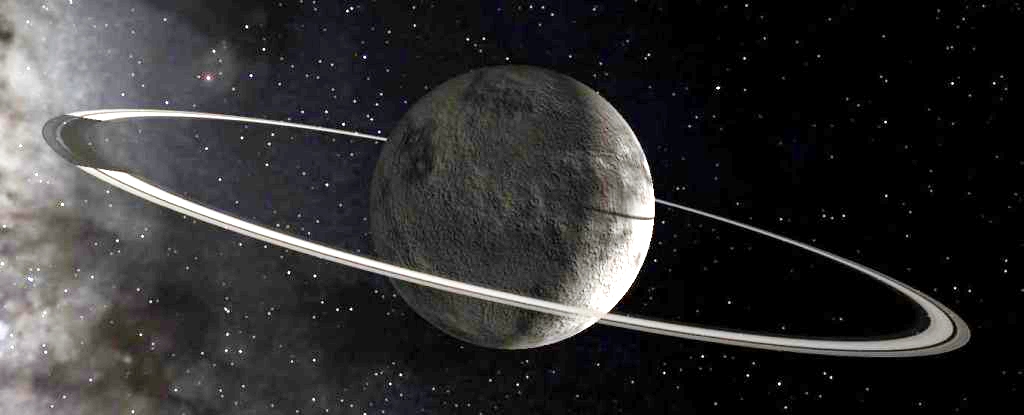
In the distant space out beyond the orbit of Jupiter lurks a strange object. Its name is Chiron, a type of outer Solar System body known as a centaur. But even among its fellow centaurs, Chiron is special – and new observations from JWST reveal how truly Chiron is like nothing else we’ve ever seen.
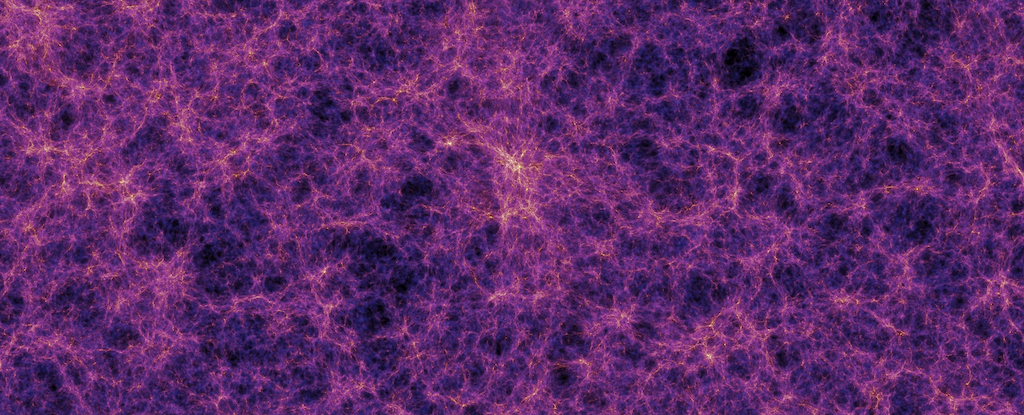
There might not be a mysterious ‘dark’ force accelerating the expansion of the Universe after all. The truth could be much stranger – bubbles of space where time passes at drastically different rates.
War God: Night of Sorrows
Get your copy of War God: Vol III


Magicians of the Gods
Get your copy of Magicians of the Gods: