Animal Life news stories
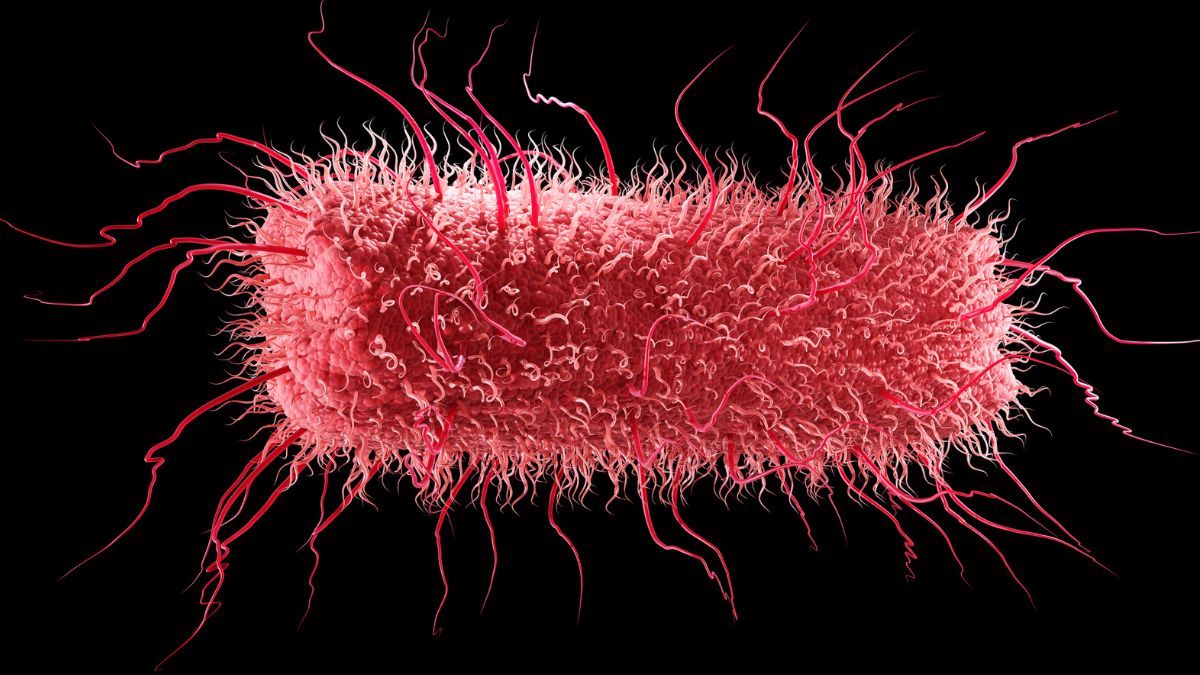
The last common ancestor of all living things did not just suddenly appear on Earth roughly 4.2 billion years ago. Some of its genes came from an even older and more mysterious source…The study was published in Cell Genomics.

Scientists have been forced to rethink the intelligence of cattle after an Austrian cow named Veronika displayed an impressive – and until now undocumented – knack for tool use…“I was naturally amazed by her extraordinary intelligence and thought how much we could learn from animals: patience, calmness, contentment, and gentleness.”

The hunting of large whales goes back much further in time than previously thought. New research…reveals that Indigenous communities in southern Brazil were hunting large cetaceans 5,000 years ago, around a thousand years before the earliest documented evidence from Arctic and North Pacific societies. The research was published in Nature Communications.
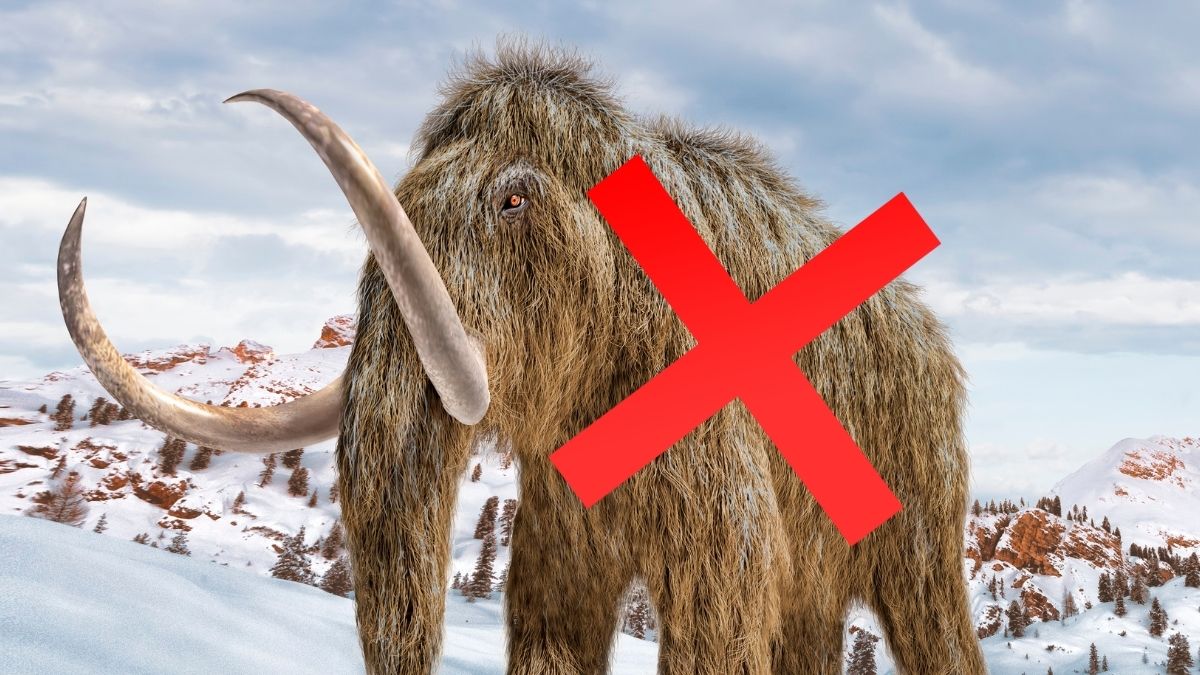
The fossilized backbones of what appeared to be woolly mammoths have turned out to come from an entirely different and unexpected animal. The research was published in the Journal of Quaternary Science.
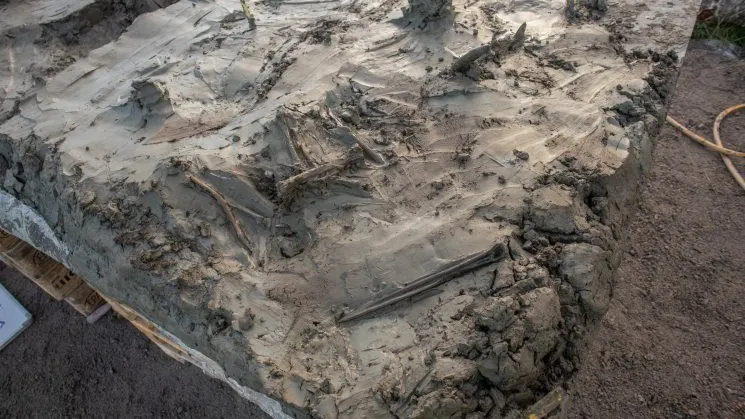
The unique dog burial was identified during construction work for a high-speed railway in the hamlet of Gerstaberg, about 22 miles (35 kilometers) southwest of Stockholm. Experts with the Swedish group Arkeologerna (The Archaeologists) announced the find in a statement and blog post Monday (Dec. 15).

Dogs have been part of human societies across Eurasia for at least 20,000 years, accompanying us through many social and cultural upheavals. The new study by an international team was published in the journal Science.

As British Columbia faces increasingly severe wildfire seasons, new research at UBC is revealing the hidden helpers at work underneath the ash.

Scientists are using DNA from sediments to learn more about Earth’s past, including new revelations about the woolly mammoth.
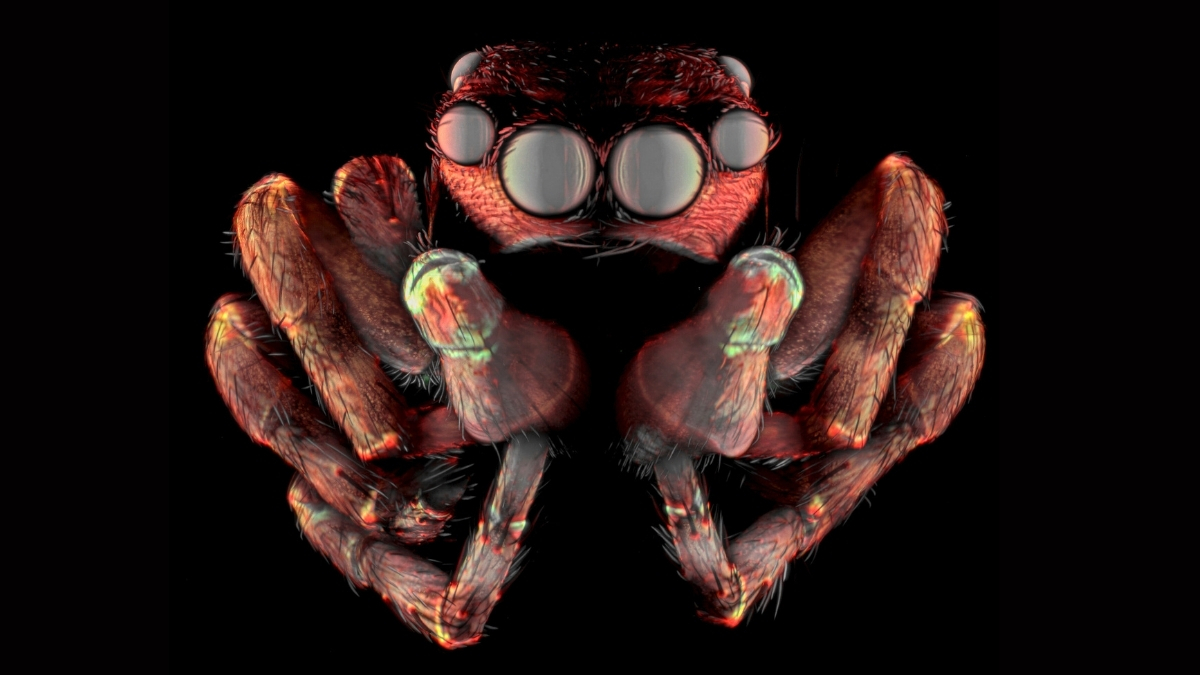
An astoundingly detailed weevil on a single grain of rice takes first place in 2025’s Nikon Small World photomicrography competition.

The authors add, “Our study shows how, 400,000 years ago in the area of Rome, human groups were able to exploit an extraordinary resource like the elephant—not only for food, but also by transforming its bones into tools. The study was published on October 8, 2025, in the open-access journal PLOS One.

Published in the journal Proceedings of the National Academy of Sciences, the new research proposes a transformative approach to economics—one that recognizes nature not merely as a resource, but as a living system deeply intertwined with human identity, culture, and well-being.

Silverpit crater off Yorkshire coast was caused by cathedral-sized asteroid that set off 100-metre tsunami 43m years ago. The findings are published in Nature Communications.

The study, published in Nature Sustainability, describes a powerful new mechanism for increasing the extent of effective area-based protection by piggybacking on community management of natural resources. The paper is titled “Community-based management expands ecosystem protection footprint in Amazonian forests.”
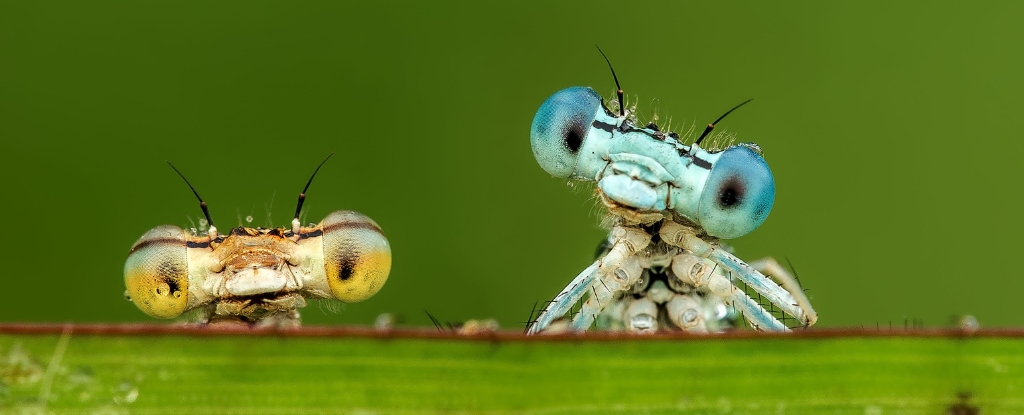
From butterflies to grasshoppers, many delicate little things that run our world are in dire trouble. Not just in regions where human activity directly affects the landscape, but even in remote, human-free zones, a new study finds. The remote insect study was published in Ecology.
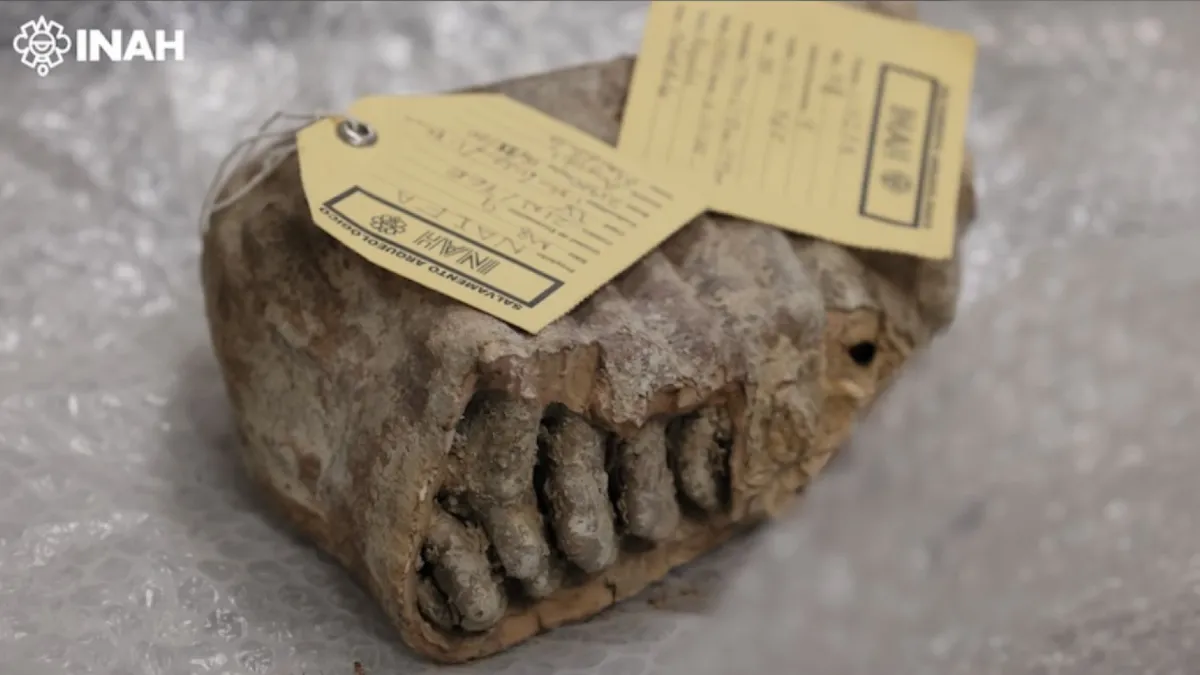
Columbian mammoths in Mexico are genetically different from those in the U.S. and Canada, surprise DNA study reveals. The research was published Aug. 28 in the journal Science.

Knowledge about the first settlements of Homo sapiens in the interior of the Iberian Peninsula at the beginning of the Upper Paleolithic has been significantly advanced with a new study led by Edgar Téllez, a researcher at the Centro Nacional de Investigación sobre la Evolución Humana (CENIEH). The findings are published in the journal Quaternary Science Advances.
War God: Night of Sorrows
Get your copy of War God: Vol III


Magicians of the Gods
Get your copy of Magicians of the Gods: