
News Desk
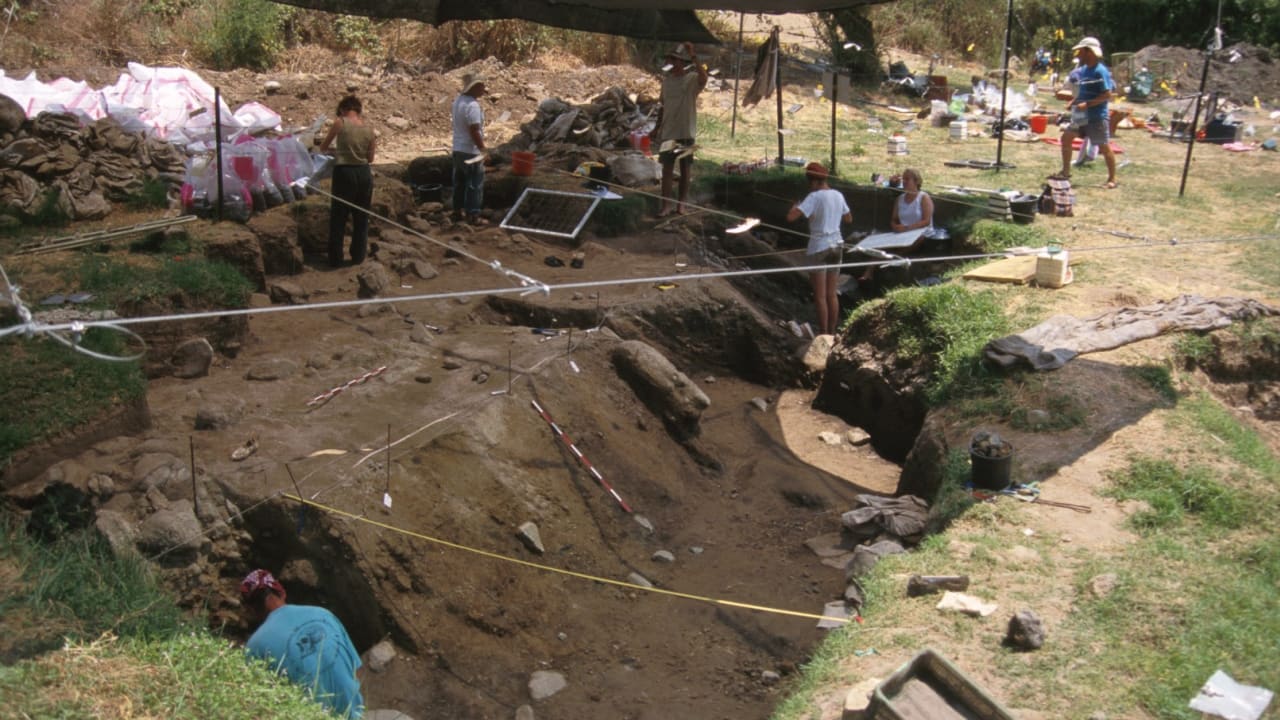
Nearly 780,000-year-old charcoal fragments found at the Gesher Bnot Ya’akov archaeological site in northern Israel show that early humans had a higher level of intelligence than previously thought, according to a new study published in Quaternary Science Reviews.

Archaeologists working at the ancient settlement of Stăuceni-“Holm” in northeastern Romania have uncovered a mega-structure measuring 350 square meters dating back about 6,000 years. Their paper was published in PLOS One.

The staccato clicks of sperm whales may sound like meaningless background noise to human ears, but a new analysis suggests they may be part of a communication system with a level of complexity approaching that of our own. The research has been published in the Proceedings of the Royal Society B: Biological Sciences.

Amid growing evidence of fungi’s key role in ecosystems and storing carbon, African scientists are championing the need to preserve ‘funga’ as much as flora and fauna
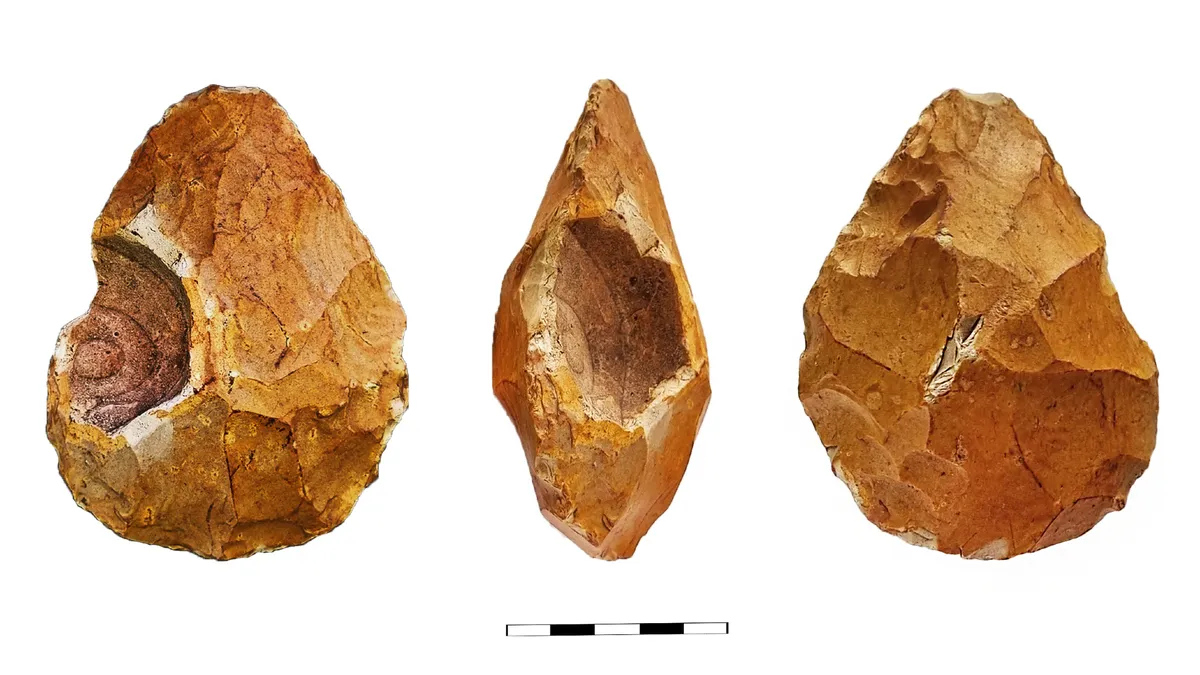
Homo erectus may have deliberately selected rocks embedded with fossils and crystals to craft their hand axes — possibly to serve as mediators between humans and the cosmos. The discovery was reported on March 17 in the journal Tel Aviv.
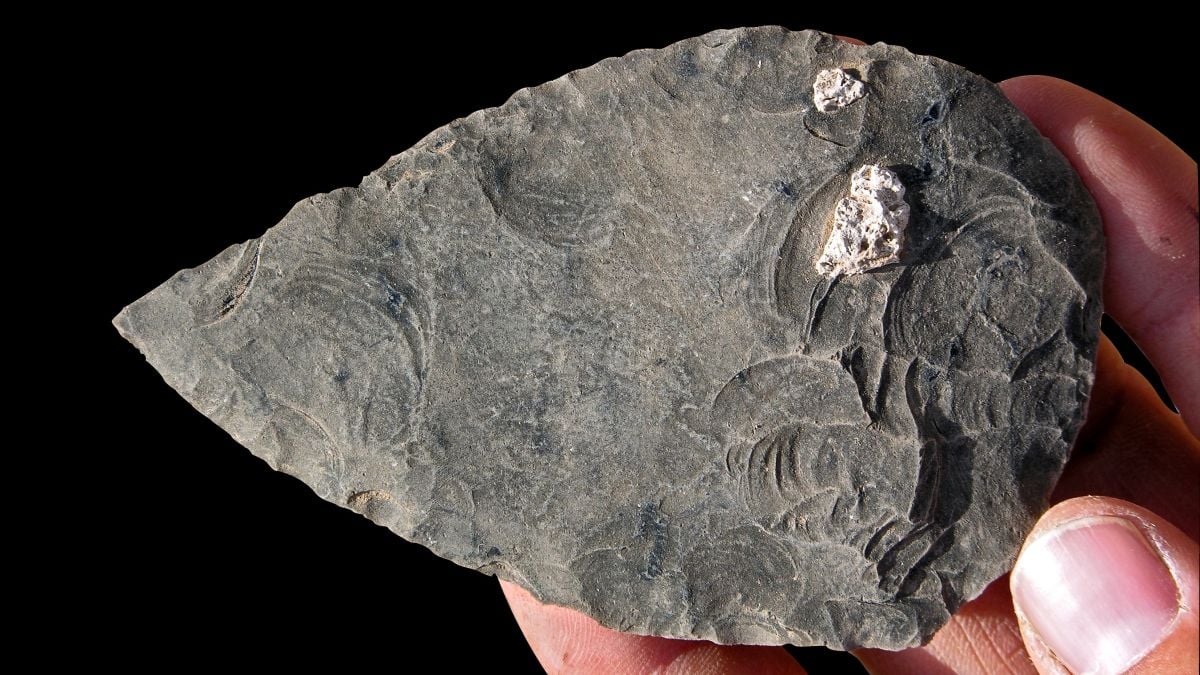
A monumental archaeological excavation in Africa has uncovered the lives of the humans who lived there 100,000 years ago. The findings have been published in the Proceedings of the National Academy of Sciences.

A new study suggests that low doses of the psychedelic drug lysergic acid diethylamide, better known as LSD, can enhance how the human brain processes emotional rewards. The research, published in the Journal of Psychopharmacology, points to specific shifts in electrical brain activity following the administration of a small dose in patients experiencing mild depression. These neural changes corresponded with an improved mood that lasted for days after the initial exposure.

Scientists found echoes of human presence dating back to around 14,500 years ago, including footprints, wooden tools, foundations for a building and the remains of an ancient fire pit. They dated sediments and artifacts from the site to this time frame. A new study challenges the age of this important site, suggesting Monte Verde might be much younger than scientists thought. But not everyone agrees with the findings.

The identity of a mysterious artifact found in Devon almost 160 years ago has finally been revealed. New research has identified it as a pendant made from the tooth of a gray seal, which would have been worn by an ancient human more than 15,000 years ago. The findings of the study are published in the journal Quaternary Science Reviews.

As long as 220,000 years ago—far earlier than previously thought—people quarried rocks for their tools in places they specifically sought out. The study is published in the journal Nature Communications.

Between 2 million and 3 million years ago, humans appeared in Africa — but identifying them in the fossil record is turning out to be surprisingly difficult.

For decades, archaeologists have debated when the hominin ancestors of humans first started eating megafauna—animals weighing more than 1,000kg. In a new study published in eLife, our team of archaeologists studying the evolution of the earliest humans in Africa has identified one of the earliest cases of elephant butchery.

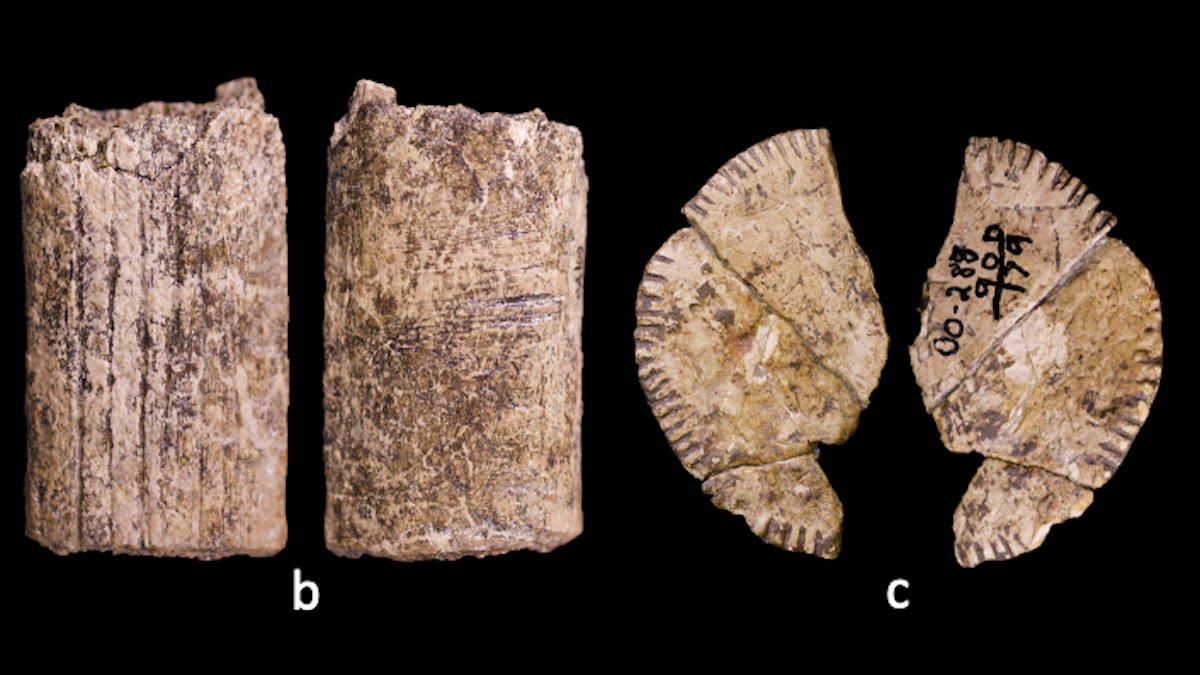
A new study may have identified the oldest known dice, dating back more than 12,000 years. The research was published in the journal American Antiquity.

A recent study published in Nature Medicine suggests that a brief psychedelic experience combined with talk therapy can rapidly and safely reduce symptoms of severe depression.

The discovery of a 2,400-year-old metalworking workshop in Senegal provides new insights into the history of iron production in Africa. Despite decades of archaeological research, the origins of iron metallurgy in sub-Saharan Africa remain largely unclear. Yet this technological revolution—crucial for producing efficient agricultural tools—emerged there at least 3,000 years ago. The discovery, published in African Archaeological Review, provides new insights into late prehistoric metallurgical practices in Africa.
War God: Night of Sorrows
Get your copy of War God: Vol III


Magicians of the Gods
Get your copy of Magicians of the Gods: