News Desk
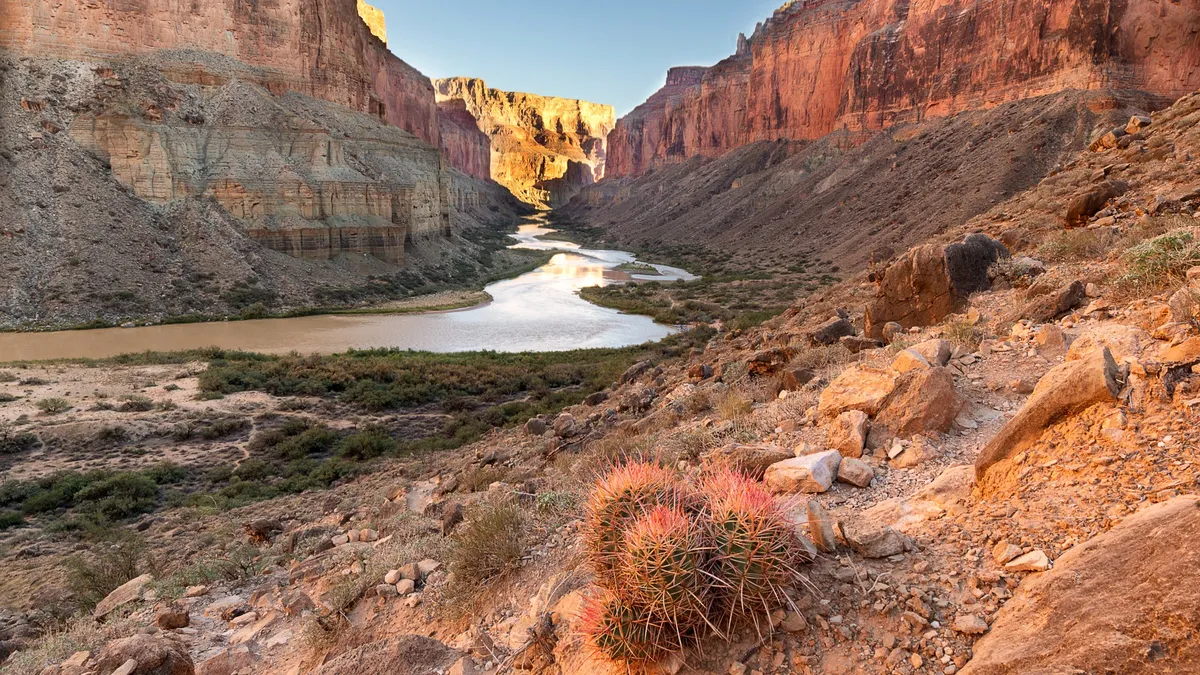
The ancient meteor impact that formed Arizona’s Barringer Crater sent shock waves through the Grand Canyon — likely triggering a landslide that dammed the Colorado River, a new study suggests. The study, published on July 15 in the journal Geology, has linked two major events that were thought to be completely unrelated.

Over the past 2.5 million years, sea levels have waxed and waned around the islands of Southeast Asia, sometimes exposing a sunken landmass and forming a bridge between islands such as Borneo and Java and mainland Asia. This landscape, called Sundaland, let animals, including hominins, migrate onto the islands of Southeast Asia

Did Neanderthals have family recipes? A new study suggests that two groups of Neanderthals living in the caves of Amud and Kebara in northern Israel butchered their food in strikingly different ways, despite living close by and using similar tools and resources. Scientists think they might have been passing down different food preparation practices.

“This study provides the first direct evidence of Neanderthal activity on the Portuguese Atlantic coast, revealing their use of dune landscapes for movement and possibly hunting, and highlighting the ecological diversity of their diet and behavior,” the authors wrote in their study, published in Scientific Reports.
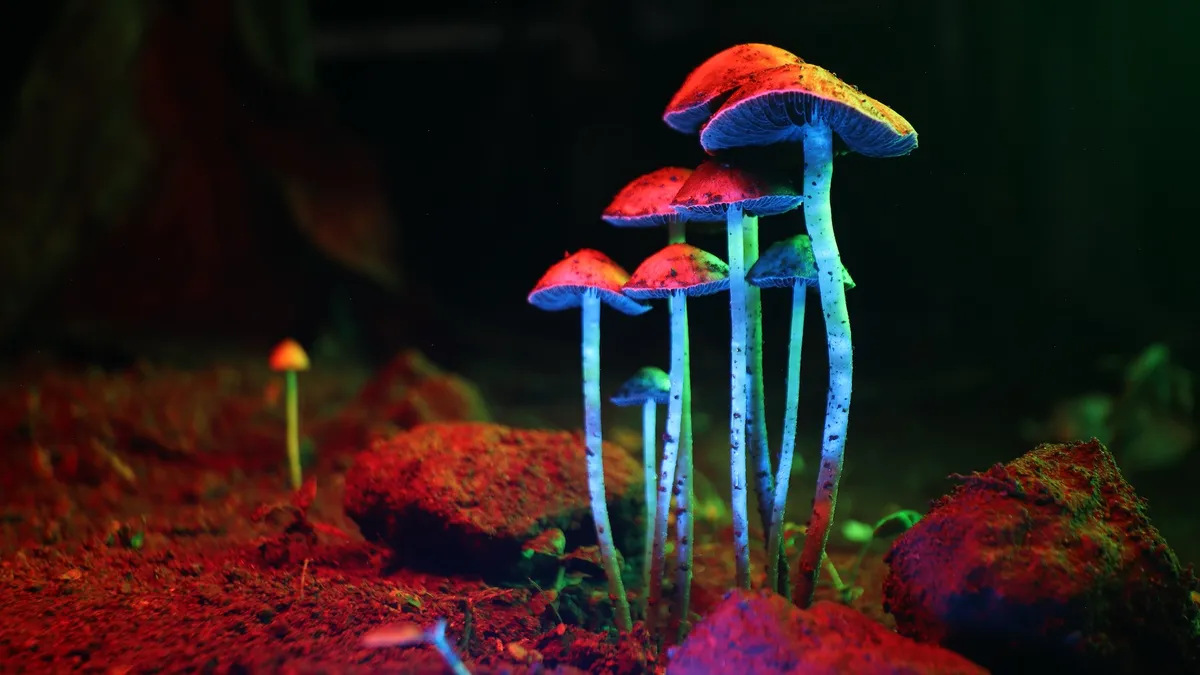
The psychedelic psilocybin, found in magic mushrooms, slows certain hallmarks of aging in human cells and older mice, a lab study suggests.
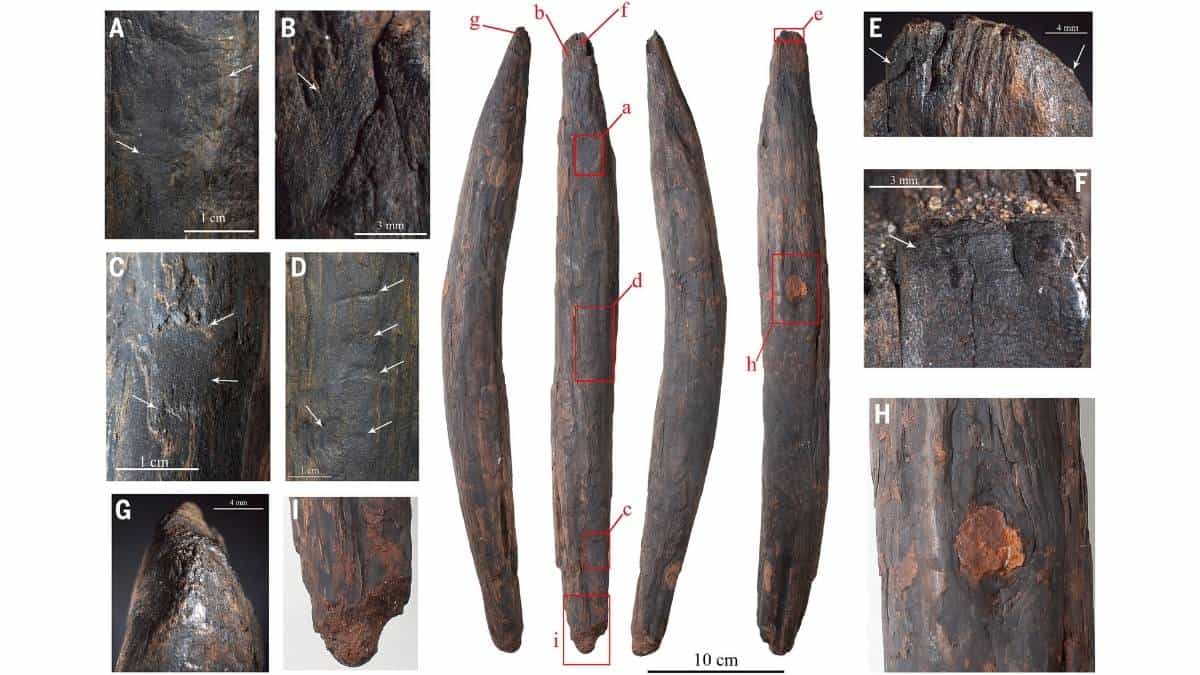
Recent excavations in Gantangqing, China, have produced the earliest known evidence of complex wooden tool technology in East Asia…A study presenting the new findings in the journal Science notes that the Gantangqing implements “document the use of wooden artifacts in a completely different type of environment from Europe or Africa.”
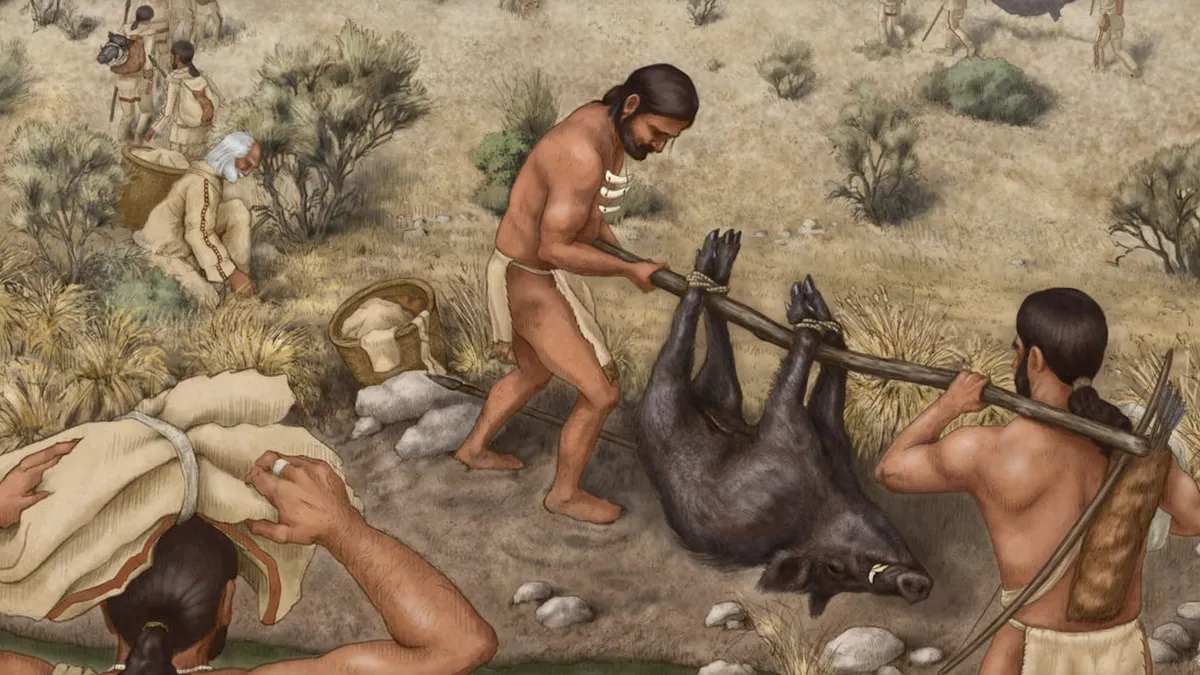
Humans have feasted since the dawn of agriculture — but a new find suggests the practice of bringing exotic food to a communal gathering is even older.

Scientists have detected ripples in space-time from the violent collision of two massive black holes that spiralled into one another far beyond the distant edge of the Milky Way.

Researchers at La Trobe University, Australia, and the University of Utah, U.S., report that recent DNA findings challenge claims of a 65,000-year-old human arrival in Sahul—the ancient paleocontinent that existed during the Pleistocene ice age, made up of present-day Australia, Tasmania, and New Guinea. The study, “Recent DNA Studies Question a 65 kya Arrival of Humans in Sahul,” was published in Archaeology in Oceania.
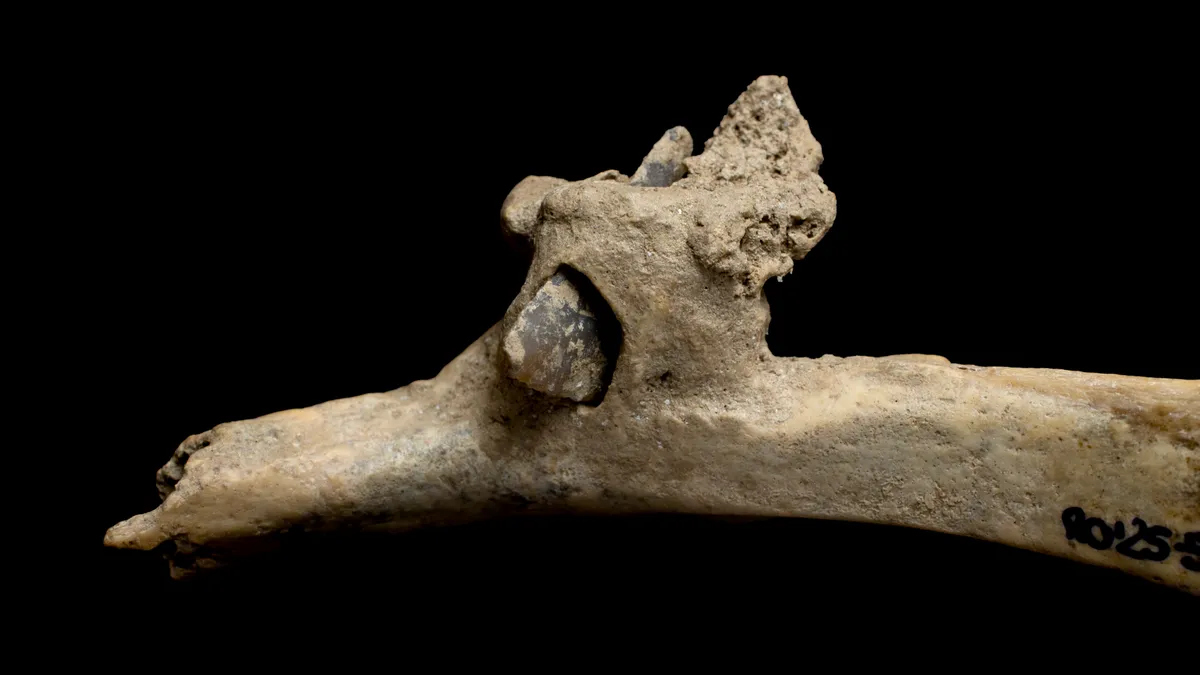
But the brutal trauma wasn’t lethal, research finds. The individual survived, with the bone healing around the projectile injury, meaning they lived the rest of their life with the flint arrowhead embedded in their rib.
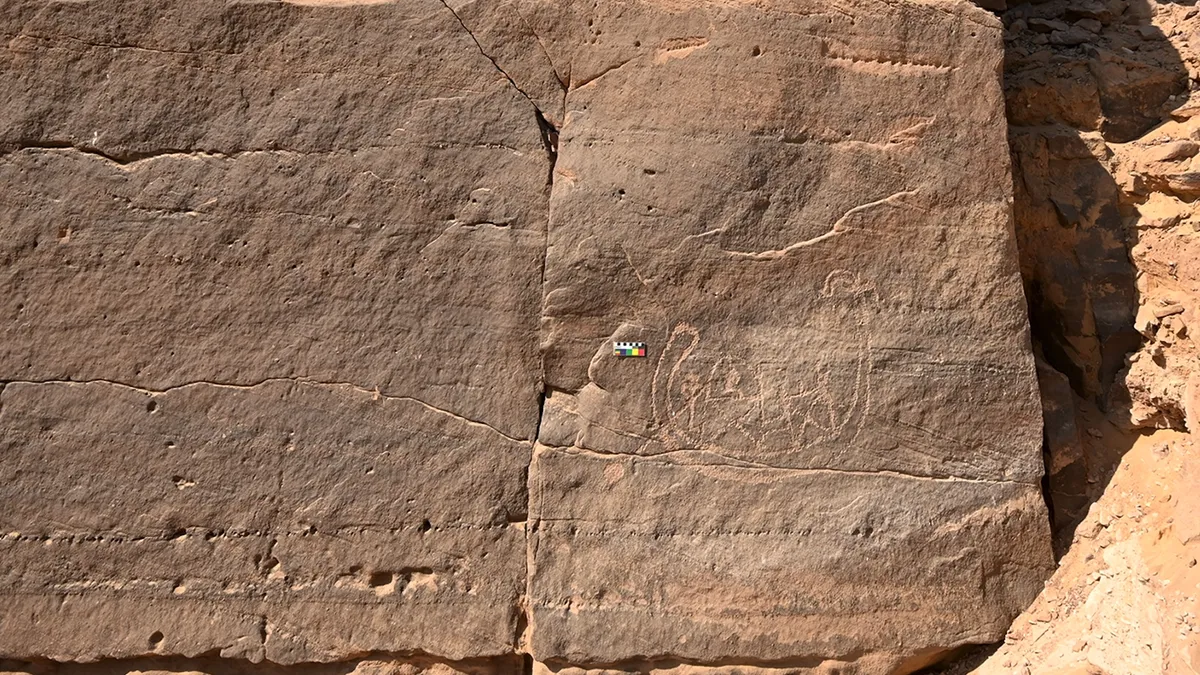
An ancient Egyptian rock engraving may have been carved at the dawn of the first dynasty, up to 5,100 years ago, a new study suggests. The study was published Thursday (July 10) in the journal Antiquity.

A recent study by Dr. Esther Jacobson-Tepfer, published in the Cambridge Archaeological Journal, explores the transformation of elk rock art in the Mongolian Altai. Her research sheds light on the possible factors that influenced these changes, leading to realistic elk images devolving into warped wolf-like beasts.

The team says the result marks a milestone in our ability to determine the ages of old stars and use them as living fossils to study the Milky Way’s distant past. This investigative technique makes it possible to analyze thousands of ancient stars in our galaxy, reconstructing the Milky Way’s evolution over billions of years. The findings are published in the journal Astronomy & Astrophysics.
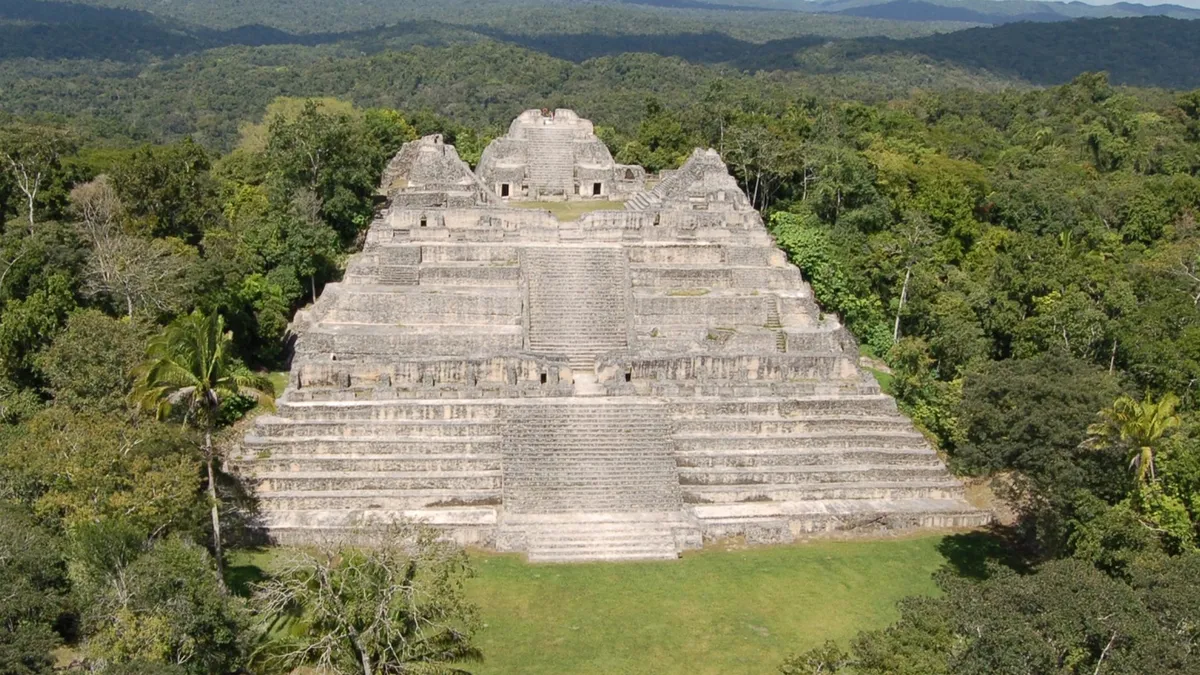
Archaeologists in Belize have unearthed the tomb of the first ruler of the ancient Maya city of Caracol, which was a major center in the Maya Lowlands during the sixth and seventh centuries.

New rules banning recreational cannabis use have put Thailand’s $1bn cannabis industry in limbo, with some stores fearing they will have to close

The environment minister, Murray Watt, hosted more than a dozen ambassadors from countries on the world heritage committee on Monday as he ramped up lobbying efforts to get the Murujuga rock art complex inscribed on the world heritage list.
War God: Night of Sorrows
Get your copy of War God: Vol III
Magicians of the Gods
Get your copy of Magicians of the Gods: